Choosing a non-toxic cutting board is essential for a healthy kitchen, as conventional plastic boards can shed microplastics and harbor bacteria. The best non-toxic options include hardwood (maple, walnut, cherry, teak, acacia, birch), titanium, stainless steel, tempered glass, natural rubber, and bamboo, each offering unique benefits for food safety and knife preservation.
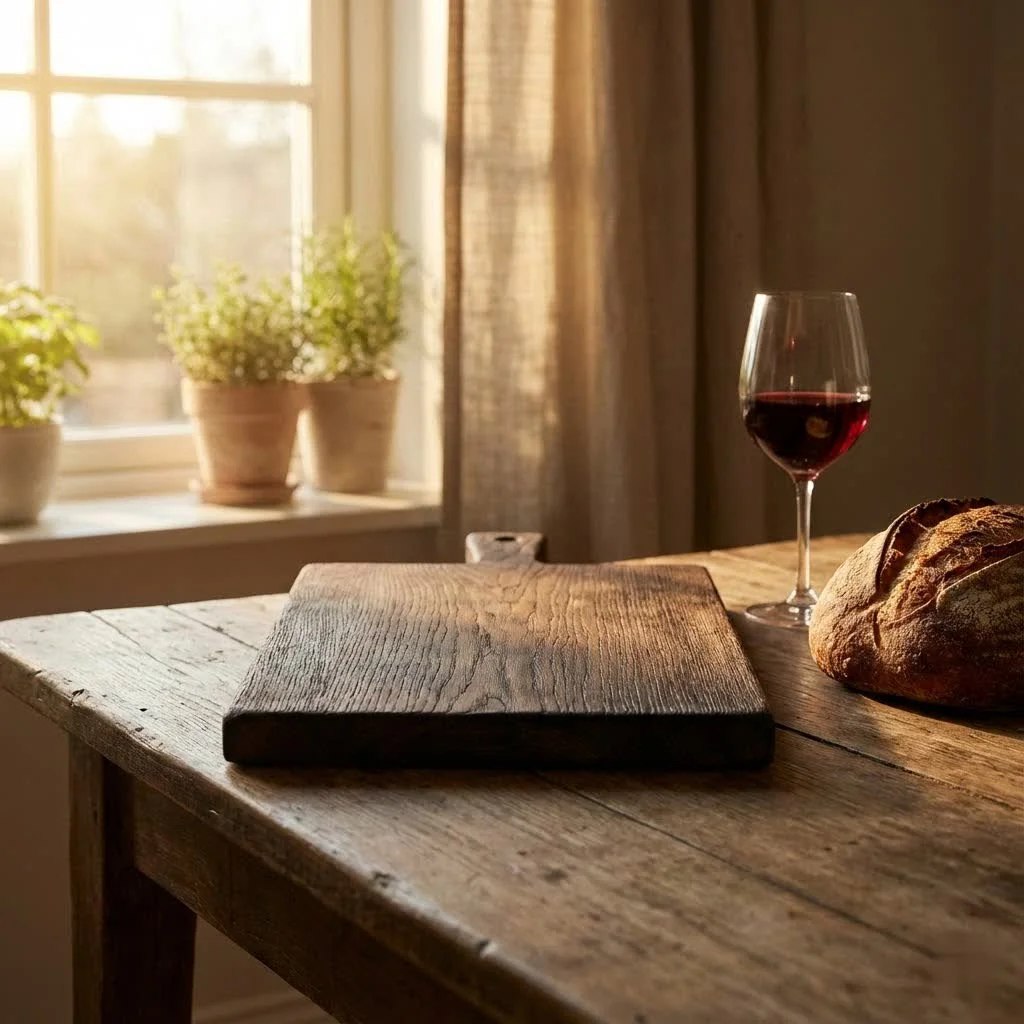
The Hidden Dangers of Conventional Cutting Boards
Traditional plastic cutting boards, while affordable, pose several risks. With every slice, plastic boards can shed microscopic particles, introducing microplastics into your food. These boards also develop deep grooves where bacteria can harbor, making effective sanitization difficult. Some plastics may contain chemicals like BPA, BPS, and phthalates, which can leach into food and potentially impact health.
Top Non-Toxic Cutting Board Materials
Fortunately, several excellent non-toxic materials offer superior performance and peace of mind for food preparation.
Hardwood Cutting Boards
Hardwood is a popular choice due to its dense grain and durability. Maple, walnut, cherry, teak, acacia, and birch are excellent options.
- Benefits: Hardwood boards are naturally antimicrobial, inhibiting bacterial growth. They are also gentle on knife blades, helping to maintain sharpness. Aesthetically, they enhance any kitchen. Teak, specifically, contains natural oils that provide inherent resistance to moisture and bacteria.
- What to Look For: Choose boards made from a single solid piece of wood or those assembled with food-safe, formaldehyde-free glues. Ensure finishes are natural, such as beeswax or food-grade mineral oil, rather than synthetic coatings.
- Maintenance: Hardwood boards require regular oiling with food-safe oils (like fractionated coconut oil, beeswax, or hemp oil) to prevent drying and cracking. They must be hand-washed with hot, soapy water and thoroughly dried, as they are not typically dishwasher safe.
Titanium and Stainless Steel Cutting Boards
For ultimate hygiene and durability, titanium and stainless steel provide robust, non-porous surfaces.
- Benefits: These metal boards are 100% non-toxic, highly resistant to bacteria, odors, and stains, and are exceptionally easy to clean; most are dishwasher safe. Their non-porous nature prevents any absorption of liquids or contaminants.
- Considerations: While incredibly sanitary, metal boards, especially stainless steel, can be quite hard on knife blades, potentially dulling them faster. They can also be noisy to work on and may feel slippery to some users.
Tempered Glass Cutting Boards
|
Our Picks for the Best Cutting Board in 2026
As an Amazon Associate I earn from qualifying purchases.
|
||
| Num | Product | Action |
|---|---|---|
| 1 | GORILLA GRIP BPA-Free Reversible Kitchen Cutting Board Set of 3, US Designed, Nonporous, Juice Grooves Catch Liquid, Slip Resistant Border, Dishwasher Safe, Durable Large Food Chopping Boards, Aqua |

|
| 2 | GORILLA GRIP BPA-Free Reversible Kitchen Cutting Board Set of 3, US Designed, Nonporous, Juice Grooves Catch Liquid, Slip Resistant Border, Dishwasher Safe, Durable Food Chopping Boards, Aqua Gray |
|
| 3 | Bamboo Cutting Boards for Kitchen [Set of 3] Wood Cutting Board for Chopping Meat, Vegetables, Fruits, Cheese, Knife Friendly Serving Tray with Handles |
|
| 4 | Keechee Bamboo Cutting Board, Durable Wood Cutting Boards for Kitchen with Deep Juice Grooves & Built-in Handles, Ideal Charcuterie & Chopping for Meat, Vegetables and Fruits Ideal Kitchen Gifts |
|
| 5 | GORILLA GRIP BPA-Free Reversible Kitchen Cutting Board Set of 3, US Designed, Nonporous, Juice Grooves Catch Liquid, Slip Resistant Border, Dishwasher Safe, Durable Food Chopping Boards, Black Gray |
|
| 6 | Kikcoin Extra Large Bamboo Cutting Boards, (Set of 3) Chopping Boards with Juice Groove Bamboo Wood Cutting Board Set Butcher Block for Kitchen, End Grain Serving Tray |
|
| 7 | GORILLA GRIP BPA-Free Reversible Kitchen Cutting Board Set of 3, US Designed, Nonporous, Juice Grooves Catch Liquid, Slip Resistant Border, Dishwasher Safe Large Food Chopping Boards, Black Aqua Gray |
|
| 8 | GORILLA GRIP BPA-Free Reversible Kitchen Cutting Board Set of 3, US Designed, Nonporous, Juice Grooves Catch Liquid, Slip Resistant Border, Dishwasher Safe, Durable Food Chopping Boards, Almond Gray |
|
| 9 | Titanium Cutting Board for Kitchen, Cutting Board Double Sided Food Grade, Pure Titanium/PP, Easy to Clean Large Size 16”×11” |
|
| 10 | GORILLA GRIP BPA-Free Reversible Kitchen Cutting Board Set of 3, US Designed, Nonporous, Juice Grooves Catch Liquid, Slip Resistant Border, Dishwasher Safe, Durable Large Food Chopping Boards, Black |
|
Glass cutting boards offer a completely non-reactive and highly hygienic surface.
- Benefits: Made from tempered glass, these boards are entirely non-porous, making them exceptionally easy to sanitize and resistant to stains and odors. They are also dishwasher safe and do not react with any food items.
- Considerations: The primary drawback of glass boards is their hardness, which can quickly dull knife edges. They can also be noisy during chopping and may feel less stable than other materials. They are generally not recommended for heavy-duty cutting.
Natural Rubber Cutting Boards
High-density natural rubber cutting boards are increasingly popular in professional and home kitchens.
- Benefits: These boards are remarkably kind to knives, helping to preserve their sharpness. They are non-absorbent, resisting bacteria, liquids, and odors, and often feature a non-skid surface for added safety.
- What to Look For: Ensure the board is made from 100% high-density natural rubber without fillers or synthetic additives.
- Maintenance: Natural rubber boards typically require hand-washing.
Bamboo Cutting Boards
Bamboo is a sustainable and eco-friendly option for cutting boards.
- Benefits: Bamboo grows rapidly, making it a highly renewable resource. It is naturally antimicrobial, hard, and less porous than many hardwoods, resisting scarring from knives and thus bacterial infiltration.
- Considerations: Many bamboo boards are constructed from strips glued together. It’s crucial to verify that any adhesives used are non-toxic and formaldehyde-free. Proper finishing is also important to ensure longevity and hygiene.
While food-grade silicone mats and composite boards (like those made from paper-resin) can also be non-toxic and safe, they are often considered secondary options or specialized tools rather than primary cutting surfaces for heavy-duty prep.
Materials to Approach with Caution or Avoid
Beyond plastic, other materials warrant careful consideration. Be wary of wooden boards treated with synthetic polyurethane or plastic-based finishes, as these can release chemicals, especially when cut. Similarly, some stone or marble boards may be chemically sealed; opting for naturally polished versions is better, though their hardness can still be detrimental to knives.
Maintaining Your Non-Toxic Cutting Board
Proper care extends the life of your cutting board and ensures continued food safety.
- Cleaning: Always wash your cutting board with hot, soapy water immediately after each use.
- Sanitizing: For wood boards, a solution of one part white vinegar to four parts water can be an effective and gentle sanitizing agent. Alternatively, sprinkling coarse salt and rubbing with half a lemon can help remove stains and odors.
- Cross-Contamination: A crucial food safety practice, regardless of material, is to use separate cutting boards for raw meats, poultry, and seafood, and another for produce, bread, and other ready-to-eat foods.
- When to Replace: Even the most durable non-toxic boards will show signs of wear over time. If your board develops deep grooves that are difficult to clean, it’s time for a replacement, as these can harbor bacteria.
Making the Right Choice for Your Kitchen
Investing in a non-toxic cutting board is an investment in your health and the longevity of your kitchen tools. Consider the material that best fits your cooking style, knife collection, and maintenance preferences. By choosing wisely, you can enjoy a safer, cleaner, and more enjoyable cooking experience every day.
Frequently Asked Questions
Why should I choose a non-toxic cutting board?
You should choose a non-toxic cutting board to avoid potential health risks associated with conventional plastic boards, which can shed microplastics and harbor bacteria in deep grooves. Non-toxic options ensure your food preparation surfaces are safe and free from harmful chemicals like BPA, BPS, and phthalates.
What are the best materials for non-toxic cutting boards?
The best materials for non-toxic cutting boards include hardwoods like maple, walnut, cherry, teak, acacia, and birch, as well as titanium, stainless steel, tempered glass, natural rubber, and bamboo. Each material offers unique benefits such as natural antimicrobial properties or extreme hygiene.
How do I maintain a hardwood cutting board?
To maintain a hardwood cutting board, regularly oil it with food-safe oils such as fractionated coconut oil, beeswax, or hemp oil to prevent drying and cracking. Always hand-wash the board with hot, soapy water immediately after each use and dry it thoroughly, as most are not dishwasher safe.
Are metal cutting boards safe for knives?
While metal cutting boards, such as those made from titanium and stainless steel, are 100% non-toxic and highly sanitary, they can be quite hard on knife blades. This hardness may lead to knives dulling faster compared to softer surfaces like wood or natural rubber.
When should I replace my non-toxic cutting board?
You should replace your non-toxic cutting board when it develops deep grooves that are difficult to clean. These grooves can harbor bacteria, compromising food safety, even if the board is made from a non-toxic material.
Cooking gear we tested in our own kitchens
Free PDF — preheat times measured on 10 popular air fryers.

I was intrigued by the natural rubber boards mentioned. I bought one, and while it’s definitely gentle on my knives and seems very hygienic, it’s a bit heavier than I expected. Also, it has a slight rubbery smell that took a few washes to dissipate. It’s good, but not quite perfect for my small kitchen.
I always just used plastic because it was cheap, but the info about bacteria harboring in grooves really made me rethink things. I decided to invest in a good quality walnut board, and it’s a game changer. It looks great on my counter and I feel much better about preparing food on it. Definitely worth the upgrade for food safety.
I’ve been trying to reduce plastic in my kitchen, and this really helped me understand the options. I ended up going with a beautiful maple cutting board, and it’s been fantastic. It feels so much safer knowing I’m not getting microplastics in my food, and it’s surprisingly easy to clean. My knives also seem to stay sharper longer on it.
As someone who cooks a lot, knife preservation is huge for me. I’ve tried various materials, but the discussion here about hardwood options like cherry really resonated. I just got a cherry board and it’s fantastic – super durable, easy on my blades, and looks professional. No more worrying about dulling my expensive knives.