Board cutting, a seemingly simple act, encompasses a wide range of practices vital for both culinary precision and woodworking craftsmanship. Whether you’re preparing ingredients in the kitchen or shaping lumber for a project, understanding the right techniques, materials, and care is crucial for safety, efficiency, and optimal results. This guide explores the multifaceted world of board cutting, highlighting essential considerations for various applications.
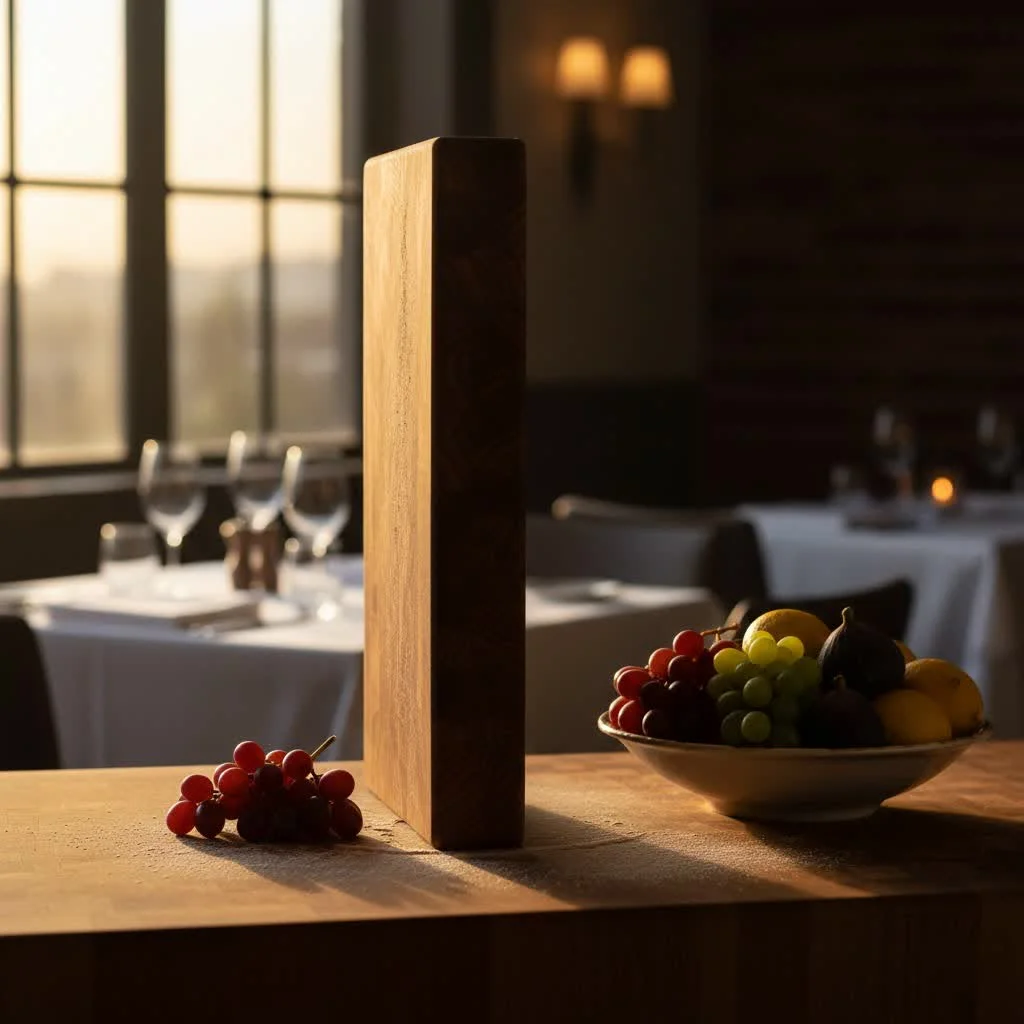
Board Cutting in the Kitchen: Essential Tools for Culinary Success
A cutting board is a fundamental kitchen tool, providing a stable and sanitary surface for food preparation. Selecting the appropriate type and maintaining it properly can significantly impact food safety, knife longevity, and overall cooking experience.
Types of Cutting Boards
Different materials offer unique advantages and disadvantages, making them suitable for specific tasks and care routines.
- Wooden Cutting Boards: Often favored by both amateur and professional chefs, wooden boards (such as maple or oak) are durable, gentle on knife blades, and possess natural bacteriostatic properties. They do, however, require more diligent upkeep. Softwoods like pine are generally avoided due to their susceptibility to damage.
- Bamboo Cutting Boards: A sustainable alternative to traditional hardwoods, bamboo boards are lightweight, aesthetically pleasing, and relatively easy to maintain. They are less robust than solid hardwood but offer a good balance of features.
- Plastic Cutting Boards: These are an economical and versatile option, available in various colors and designs. Plastic boards are typically dishwasher-safe, lightweight, and easy to clean. However, they can develop scratches over time, which may harbor bacteria, necessitating replacement when excessively worn or damaged.
- Glass Cutting Boards: Known for being non-porous and exceptionally easy to clean, glass boards are also highly robust and can withstand high temperatures. Their primary drawback is their tendency to rapidly dull knife blades, making them less knife-friendly. They are also prone to breakage.
- Composite Cutting Boards: Made from a blend of resin and wood fibers, composite boards are tough, easy to clean, and kind to knives. They can be quite heavy and might require specific handling.
Tips for Using and Caring for Your Cutting Board
Proper usage and maintenance are key to extending the life of your cutting board and ensuring hygiene.
- Usage Best Practices: Always use a sharp knife for clean cuts and to prevent slippage. To keep the board stable, place a damp cloth underneath it. For larger, tougher ingredients, a meat cleaver may be appropriate. Divide ingredients into manageable portions before cutting.
- Cleaning and Sanitizing: After each use, wash your cutting board with hot, soapy water and dry it immediately. For deeper cleaning and sanitization, a diluted bleach solution or a mixture of water and white vinegar can be used. Avoid harsh chemicals or abrasive cleaners, especially on wooden boards, as they can damage the surface and strip natural oils.
- Wooden & Bamboo Board Specifics: Regularly apply food-grade mineral oil to wooden boards to prevent warping and cracking. Never immerse wooden or bamboo boards in water, as this can lead to warping, swelling, and deterioration.
- Storage: Store cutting boards in a dry, cool location. Vertical storage or hanging can maximize space and prevent warping caused by stacking. Keep boards away from direct heat sources or prolonged sunlight.
Board Cutting in Woodworking: Techniques for Precision and Craftsmanship
In woodworking, “board cutting” refers to both the methods of milling lumber from logs and the specific cuts made to shape and join wood pieces. Precision in these techniques is fundamental to creating durable and aesthetically pleasing projects.
Understanding Lumber Milling Methods
|
Our Picks for the Best Cutting Board in 2026
As an Amazon Associate I earn from qualifying purchases.
|
||
| Num | Product | Action |
|---|---|---|
| 1 | Bamboo Cutting Boards for Kitchen [Set of 3] Wood Cutting Board for Chopping Meat, Vegetables, Fruits, Cheese, Knife Friendly Serving Tray with Handles |

|
| 2 | Titanium Cutting Board for Kitchen, Cutting Board Double Sided Food Grade, Pure Titanium/PP, Easy to Clean Large Size 16”×11” |
|
| 3 | GORILLA GRIP BPA-Free Reversible Kitchen Cutting Board Set of 3, US Designed, Nonporous, Juice Grooves Catch Liquid, Slip Resistant Border, Dishwasher Safe Large Food Chopping Boards, Black Aqua Gray |
|
| 4 | GORILLA GRIP BPA-Free Reversible Kitchen Cutting Board Set of 3, US Designed, Nonporous, Juice Grooves Catch Liquid, Slip Resistant Border, Dishwasher Safe, Durable Food Chopping Boards, Almond Gray |
|
| 5 | Kikcoin Extra Large Bamboo Cutting Boards, (Set of 3) Chopping Boards with Juice Groove Bamboo Wood Cutting Board Set Butcher Block for Kitchen, End Grain Serving Tray |
|
| 6 | GORILLA GRIP BPA-Free Reversible Kitchen Cutting Board Set of 3, US Designed, Nonporous, Juice Grooves Catch Liquid, Slip Resistant Border, Dishwasher Safe, Durable Food Chopping Boards, Black Gray |
|
| 7 | Keechee Bamboo Cutting Board, Durable Wood Cutting Boards for Kitchen with Deep Juice Grooves & Built-in Handles, Ideal Charcuterie & Chopping for Meat, Vegetables and Fruits Ideal Kitchen Gifts |
|
| 8 | GORILLA GRIP BPA-Free Reversible Kitchen Cutting Board Set of 3, US Designed, Nonporous, Juice Grooves Catch Liquid, Slip Resistant Border, Dishwasher Safe, Durable Food Chopping Boards, Aqua Gray |
|
| 9 | GORILLA GRIP BPA-Free Reversible Kitchen Cutting Board Set of 3, US Designed, Nonporous, Juice Grooves Catch Liquid, Slip Resistant Border, Dishwasher Safe, Durable Large Food Chopping Boards, Black |
|
| 10 | GORILLA GRIP BPA-Free Reversible Kitchen Cutting Board Set of 3, US Designed, Nonporous, Juice Grooves Catch Liquid, Slip Resistant Border, Dishwasher Safe, Durable Large Food Chopping Boards, Aqua |
|
The way a log is cut into boards significantly affects the wood’s grain pattern, stability, and cost.
- Plain-Sawn (Flat-Sawn): This is the most common and economical milling method. Boards are cut parallel to the tree’s growth rings, resulting in prominent, often varied “cathedral” grain patterns. While visually interesting and maximizing yield, plain-sawn lumber is generally less stable and more prone to movement like cupping and twisting.
- Quarter-Sawn: In this method, the log is first cut into quarters, and then boards are sliced from these quarters. This produces boards with straight grain lines that run perpendicular to the face, offering exceptional stability and resistance to warping. Quarter-sawn lumber often displays a distinctive “ray” or “fleck” pattern, particularly in species like oak, but it is typically more expensive and less abundant.
- Rift-Sawn: Rift-sawn boards have a radial grain that runs between 30 to 60 degrees from the face of the board, resulting in very straight and consistent grain patterns. This method avoids the flecking seen in quarter-sawn oak and provides enhanced stability compared to plain-sawn wood. Rift-sawn boards are often narrower.
- Live-Sawn: A more modern and efficient milling technique, live-sawn involves slicing directly through the log in a single direction without reorienting it. This method yields a unique grain pattern that combines characteristics of plain-sawn (near the center) and quarter-sawn (at the outer edges), offering efficiency and sustainability.
Basic Woodworking Cuts and Tools
Woodworkers utilize a variety of cuts to shape and join wood, each requiring specific tools and techniques.
- Rip Cut: A rip cut is made parallel to the wood grain, along the length of the board. Its primary purpose is to reduce the width of a board. Tools like table saws, circular saws, band saws, and jigsaws are commonly used. While effective for producing smooth, clean cuts along the grain, rip cuts can sometimes cause splintering.
- Cross Cut: Perpendicular to the wood grain, a cross cut shortens a board. This is one of the most fundamental cuts in woodworking and can be performed with tools such as table saws (often with a cross-cut sled), circular saws, or hand saws.
- Miter Cut: A miter cut is any angled cut other than 90 degrees, typically at a 45-degree angle. These are frequently used for creating frames, boxes, and angled joints. Miter saws are the ideal tool for achieving precise miter cuts.
- Bevel Cut: Similar to a miter cut, a bevel cut creates an angled edge on the face of a board. This is often done using a miter saw by tilting the blade away from the fence while holding the board’s face against it.
- Curved Cut: For cuts that are intentionally not straight, curved cuts are made. Band saws are excellent for creating various curves, while jigsaws are often preferred for thinner wood.
- Resawing: This technique involves cutting along the edges of a thick board to produce thinner boards. Resawing is commonly used for creating veneers or book-matched panels and is best achieved with a finely tuned miter saw, often followed by a wood planer for surface flattening.
- Joinery Cuts: More advanced cuts like dadoes (trenches), rabbets (recesses along an edge), dovetails, and mortise and tenon joints are critical for creating strong, interlocking connections between wood pieces.
Conclusion
From ensuring hygienic food preparation to achieving structural integrity in woodworking, board cutting is a foundational skill. By understanding the diverse types of cutting boards, their specific care requirements, and the various techniques and tools involved in lumber processing and shaping, individuals can enhance their proficiency and safety in both the kitchen and the workshop.
Cooking gear we tested in our own kitchens
Free PDF — preheat times measured on 10 popular air fryers.