In the bustling heart of every kitchen, the cutting board is an unsung hero. While traditional wood and plastic options have long dominated, a new contender has risen in popularity: the composite cutting board. Blending the best attributes of various materials, these innovative boards offer a compelling combination of durability, hygiene, and style that caters to the demands of modern home cooks and professional chefs alike.
What Defines a Composite Cutting Board?
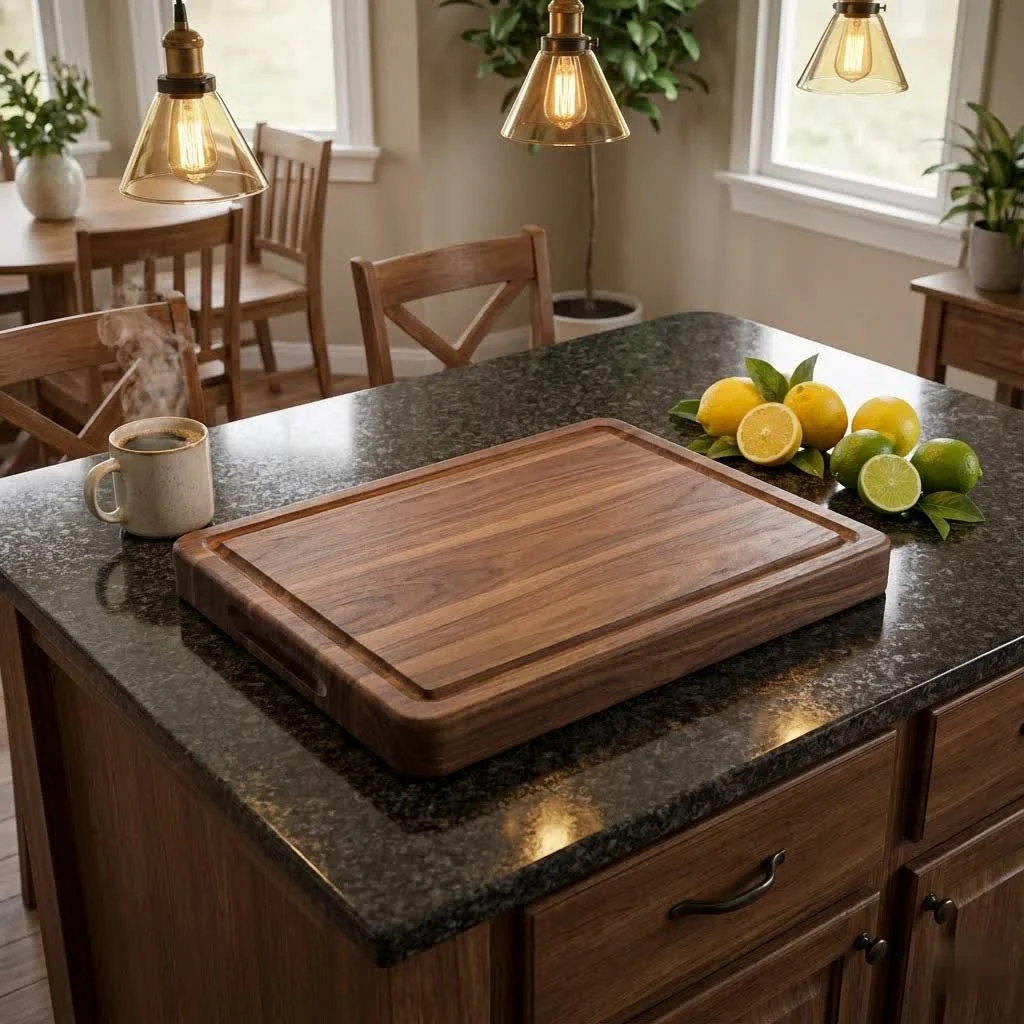
At its core, a composite cutting board is engineered for performance. Unlike solid wood or pure plastic, these boards are typically crafted from layers of natural wood fibers or recycled paper, bonded together under high pressure with food-safe resin. This manufacturing process creates a remarkably dense, non-porous material that boasts a unique texture, often mimicking the look and feel of natural wood while offering enhanced functional benefits. Brands like Epicurean often utilize materials such as Richlite, a paper composite, in their designs. For browse all kitchenware articles on this site.
Key Advantages of Composite Cutting Boards
The rise of composite cutting boards is no accident; they come packed with features that address common kitchen challenges:
- Exceptional Durability and Longevity: Designed to withstand rigorous daily use, composite boards resist warping, cracking, and splintering. This robust construction means they maintain their integrity longer than many traditional options, offering a lasting investment for your kitchen.
- Superior Hygiene and Easy Maintenance: One of the most significant advantages is their non-porous surface. Unlike wood, composite materials do not absorb liquids, odors, or bacteria, making them incredibly sanitary. Most composite boards are also dishwasher safe, simplifying cleanup and ensuring thorough sanitization without the risk of damage. They are also known for resisting stains, keeping them looking new.
- Heat Resistance and Versatile Use: Many composite boards are engineered to withstand high temperatures, allowing them to double as trivets for hot pots and pans directly from the stove or oven. This multi-functionality adds convenience and reduces clutter in your kitchen. Beyond prep, their sleek design makes them perfect for serving charcuterie, cheeses, or appetizers, transitioning effortlessly from a practical tool to a stylish presentation piece.
- Knife-Friendly Surface: While durable, composite boards are designed to be kind to your knife blades. They offer a stable cutting surface that prevents excessive dulling, helping your knives stay sharper for longer periods compared to harder surfaces like glass or ceramic.
- Eco-Conscious Choice: Many manufacturers create composite cutting boards using sustainable materials like recycled wood fibers or paper, making them an environmentally friendly option for the eco-conscious consumer.
Potential Drawbacks to Consider
|
Our Picks for the Best Cutting Board in 2026
As an Amazon Associate I earn from qualifying purchases.
|
||
| Num | Product | Action |
|---|---|---|
| 1 | Kikcoin Extra Large Bamboo Cutting Boards, (Set of 3) Chopping Boards with Juice Groove Bamboo Wood Cutting Board Set Butcher Block for Kitchen, End Grain Serving Tray |

|
| 2 | GORILLA GRIP BPA-Free Reversible Kitchen Cutting Board Set of 3, US Designed, Nonporous, Juice Grooves Catch Liquid, Slip Resistant Border, Dishwasher Safe Large Food Chopping Boards, Black Aqua Gray |
|
| 3 | GORILLA GRIP BPA-Free Reversible Kitchen Cutting Board Set of 3, US Designed, Nonporous, Juice Grooves Catch Liquid, Slip Resistant Border, Dishwasher Safe, Durable Large Food Chopping Boards, Black |
|
| 4 | GORILLA GRIP BPA-Free Reversible Kitchen Cutting Board Set of 3, US Designed, Nonporous, Juice Grooves Catch Liquid, Slip Resistant Border, Dishwasher Safe, Durable Food Chopping Boards, Aqua Gray |
|
| 5 | GORILLA GRIP BPA-Free Reversible Kitchen Cutting Board Set of 3, US Designed, Nonporous, Juice Grooves Catch Liquid, Slip Resistant Border, Dishwasher Safe, Durable Food Chopping Boards, Almond Gray |
|
| 6 | GORILLA GRIP BPA-Free Reversible Kitchen Cutting Board Set of 3, US Designed, Nonporous, Juice Grooves Catch Liquid, Slip Resistant Border, Dishwasher Safe, Durable Large Food Chopping Boards, Aqua |
|
| 7 | GORILLA GRIP BPA-Free Reversible Kitchen Cutting Board Set of 3, US Designed, Nonporous, Juice Grooves Catch Liquid, Slip Resistant Border, Dishwasher Safe, Durable Food Chopping Boards, Black Gray |
|
| 8 | Bamboo Cutting Boards for Kitchen [Set of 3] Wood Cutting Board for Chopping Meat, Vegetables, Fruits, Cheese, Knife Friendly Serving Tray with Handles |
|
| 9 | Keechee Bamboo Cutting Board, Durable Wood Cutting Boards for Kitchen with Deep Juice Grooves & Built-in Handles, Ideal Charcuterie & Chopping for Meat, Vegetables and Fruits Ideal Kitchen Gifts |
|
| 10 | Titanium Cutting Board for Kitchen, Cutting Board Double Sided Food Grade, Pure Titanium/PP, Easy to Clean Large Size 16”×11” |
|
While composite cutting boards offer numerous benefits, it’s also important to be aware of a few potential considerations:
- Hardness on Knives: Some users find that while generally knife-friendly, composite boards can feel harder than very soft wooden boards, potentially leading to slightly more frequent knife sharpening over extended use compared to softer wood varieties.
- Noise Level: Due to their density, certain composite boards might produce a somewhat louder sound during chopping compared to traditional wood.
- Initial Cost: Composite cutting boards can sometimes have a higher upfront price point than basic plastic or bamboo alternatives. However, their longevity and performance often make them a cost-effective choice over their lifespan.
Composite Boards Versus Other Materials
When comparing composite boards to their counterparts:
- Versus Wood: Composite boards offer the significant advantage of being dishwasher safe and non-porous, reducing the maintenance associated with oiling and sanitizing traditional wood. While wood can be softer on knives, composite provides enhanced durability against warping and cracking.
- Versus Plastic: Composite boards surpass plastic in terms of durability, aesthetic appeal, and resistance to deep knife grooves that can harbor bacteria. They are also generally more environmentally friendly.
Choosing the Right Composite Cutting Board
When selecting a composite cutting board, consider features such as non-slip feet or grips for stability, integrated juice grooves to contain liquids, and the overall size and thickness to suit your kitchen space and cooking needs. Popular brands often offer a range of colors and designs to complement any kitchen aesthetic.
Elevating Your Culinary Experience
Composite cutting boards represent a harmonious blend of nature and innovation, providing a durable, hygienic, and versatile surface for all your food preparation needs. Their ease of care, stylish appearance, and long-lasting performance make them an excellent addition to any kitchen, promising to enhance your culinary journey for years to come.
Cooking gear we tested in our own kitchens
Free PDF — preheat times measured on 10 popular air fryers.