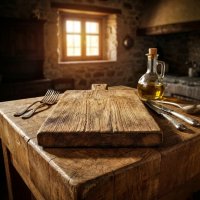
A quality wooden cutting board is more than just a kitchen tool; it’s a testament to craftsmanship and a vital companion for any cook. From protecting your knives to enhancing your kitchen’s aesthetic, the right woodworking cutting board combines functionality with timeless beauty. Understanding the nuances of wood selection, construction, and care is key to choosing or crafting a board that will serve you for years.
Why Choose a Wooden Cutting Board?
Wooden cutting boards offer a unique blend of benefits that often surpass those of plastic or glass alternatives. Their inherent properties make them a preferred choice for many culinary enthusiasts. Primarily, wood is notably gentler on knife edges, preventing premature dulling compared to harder surfaces. Beyond knife preservation, hardwoods possess natural antimicrobial qualities, inhibiting bacterial growth within their fibers. Aesthetically, wooden boards bring warmth and character to any kitchen, with diverse grain patterns and rich colors that can also serve as elegant serving platters. When properly cared for, these boards are exceptionally durable and can last for decades, becoming cherished kitchen heirlooms. For expert kitchenware reviews on this site.
Understanding Wood Types: The Foundation of a Great Board
The heart of an excellent cutting board lies in the wood it’s made from. Not all woods are created equal for this purpose.
Hardwood vs. Softwood
The fundamental distinction lies between hardwoods and softwoods. Hardwoods, characterized by their dense, closed-grain structures, are superior for cutting boards because they resist moisture absorption and bacterial penetration. Softwoods, with their more open and porous grain, readily soak up liquids and can harbor bacteria, making them unsuitable for food preparation.
The Janka Hardness Scale
To quantify wood hardness, woodworkers and manufacturers refer to the Janka hardness scale. This scale measures the force required to embed a steel ball halfway into the wood. For cutting boards, the ideal Janka rating falls between 900 and 1500 pounds-force (lbf). This range strikes a perfect balance: hard enough to withstand daily chopping without excessive wear, yet soft enough to protect knife edges from damage.
Top Hardwood Choices
- Maple (Hard Maple): Often considered the “gold standard” with a Janka rating around 1450 lbf, maple boasts a tight, closed grain. Its light color indicates when cleaning is needed, and its density resists scratches, dents, and bacterial growth.
- Walnut: An elegant choice with a Janka rating of approximately 1010 lbf, walnut is exceptionally kind to knives. Its rich, dark brown hues and distinctive grain patterns make it visually striking, often doubling as a serving piece. Walnut also contains natural antimicrobial compounds.
- Cherry: With a Janka rating of about 995 lbf, cherry offers good durability and workability. Its reddish-brown tones deepen beautifully with age and exposure to light. While slightly softer than maple, it’s still very gentle on knives and resists splitting.
Woods to Avoid
|
Our Picks for the Best Cutting Board in 2026
As an Amazon Associate I earn from qualifying purchases.
|
||
| Num | Product | Action |
|---|---|---|
| 1 | GORILLA GRIP BPA-Free Reversible Kitchen Cutting Board Set of 3, US Designed, Nonporous, Juice Grooves Catch Liquid, Slip Resistant Border, Dishwasher Safe Large Food Chopping Boards, Black Aqua Gray |

|
| 2 | GORILLA GRIP BPA-Free Reversible Kitchen Cutting Board Set of 3, US Designed, Nonporous, Juice Grooves Catch Liquid, Slip Resistant Border, Dishwasher Safe, Durable Large Food Chopping Boards, Black |
|
| 3 | GORILLA GRIP BPA-Free Reversible Kitchen Cutting Board Set of 3, US Designed, Nonporous, Juice Grooves Catch Liquid, Slip Resistant Border, Dishwasher Safe, Durable Food Chopping Boards, Almond Gray |
|
| 4 | Kikcoin Extra Large Bamboo Cutting Boards, (Set of 3) Chopping Boards with Juice Groove Bamboo Wood Cutting Board Set Butcher Block for Kitchen, End Grain Serving Tray |
|
| 5 | Titanium Cutting Board for Kitchen, Cutting Board Double Sided Food Grade, Pure Titanium/PP, Easy to Clean Large Size 16”×11” |
|
| 6 | GORILLA GRIP BPA-Free Reversible Kitchen Cutting Board Set of 3, US Designed, Nonporous, Juice Grooves Catch Liquid, Slip Resistant Border, Dishwasher Safe, Durable Food Chopping Boards, Aqua Gray |
|
| 7 | GORILLA GRIP BPA-Free Reversible Kitchen Cutting Board Set of 3, US Designed, Nonporous, Juice Grooves Catch Liquid, Slip Resistant Border, Dishwasher Safe, Durable Food Chopping Boards, Black Gray |
|
| 8 | Bamboo Cutting Boards for Kitchen [Set of 3] Wood Cutting Board for Chopping Meat, Vegetables, Fruits, Cheese, Knife Friendly Serving Tray with Handles |
|
| 9 | GORILLA GRIP BPA-Free Reversible Kitchen Cutting Board Set of 3, US Designed, Nonporous, Juice Grooves Catch Liquid, Slip Resistant Border, Dishwasher Safe, Durable Large Food Chopping Boards, Aqua |
|
| 10 | Keechee Bamboo Cutting Board, Durable Wood Cutting Boards for Kitchen with Deep Juice Grooves & Built-in Handles, Ideal Charcuterie & Chopping for Meat, Vegetables and Fruits Ideal Kitchen Gifts |
|
Avoid open-pored woods like red oak and ash, which can trap food particles and bacteria. Softwoods such as pine are too easily scarred and can impart resinous flavors. While some exotic woods like purpleheart or bubinga are beautiful, they can be excessively hard, potentially dulling knives quickly.
Grain Orientation: End Grain vs. Edge Grain vs. Face Grain
The way wood strips are oriented during construction significantly impacts a cutting board’s performance, durability, and appearance.
Edge Grain (Long Grain)
Edge grain boards are constructed by gluing long strips of wood together side-by-side, so the edges form the cutting surface. This results in a distinctive striped look with long, flowing grain patterns.
- Pros: Generally more affordable due to simpler construction, lighter, and easier to move. They offer good durability compared to plastic and are still gentler on knives than glass.
- Cons: Knife marks are more visible as the blade cuts across the wood fibers, potentially causing fibers to be severed over time. This can lead to a “used” look faster.
End Grain
End grain boards are made by arranging small blocks of wood so that the end fibers face upward, creating a checkerboard or bricklayer pattern.
- Pros: Considered the premium choice, end grain boards are the most forgiving on knives. The vertical wood fibers allow knife blades to slide between them, much like cutting into a brush, which helps knives stay sharper longer and reduces visible knife marks. This “self-healing” property also makes them highly durable and resistant to deep cuts. They are heavier and more stable during use.
- Cons: More labor-intensive and costly to produce, and they tend to be “thirstier,” requiring more frequent oiling to prevent drying out.
Face Grain
Face grain boards present the widest surface of the wood plank as the cutting surface, showcasing the wood’s most prominent grain patterns.
- Pros: Often the most aesthetically striking, displaying the wood’s natural beauty. They are also the least expensive to produce.
- Cons: The least durable for heavy chopping. Knife marks are very prominent as the blade cuts directly across the flat grain, and they are more prone to warping or cracking over time due to moisture absorption across the wide surface.
Crafting Your Own Wooden Cutting Board: A Woodworker’s Guide
Creating a wooden cutting board is a rewarding project for woodworkers of all skill levels.
Choosing Materials
Select dense, closed-grain hardwoods like maple, walnut, or cherry. Ensure the lumber is flat, warp-free, and devoid of significant blemishes or knots. For adhesives, use a waterproof wood glue like Titebond III, essential for items exposed to moisture. For the finish, food-grade mineral oil or butcher block oil is crucial.
Basic Steps for an Edge-Grain Board
- Cut Boards to Size: Rip your chosen hardwood into strips of your desired width (e.g., 1.5 inches for a 1.5-inch thick board). Use a table saw for precision.
- Arrange and Glue: Arrange the strips in your desired pattern, paying attention to grain direction for aesthetics and stability. Apply a liberal, even layer of waterproof wood glue to the edges of each strip.
- Clamp: Clamp the glued strips together firmly, using cauls (flat strips of wood) above and below to ensure the board remains flat during drying. Wipe off any excess glue squeeze-out with a damp cloth. Allow to dry overnight.
- Flatten: After the glue dries, the board will likely have some unevenness. Use a planer, drum sander, or a router sled to flatten both sides until smooth and level.
- Trim to Final Dimensions: Use a table saw or miter saw to square off the ends and cut the board to its final length and width.
- Add Edge Treatments (Optional): Use a router with a round-over or chamfer bit to soften the edges. A juice groove can also be routed along the perimeter.
- Sand: Start with a coarser grit (e.g., 100 or 120 grit) and work your way up through finer grits (220, then 320 or 400 for a buttery finish). Remove all sawdust between grits.
- Seal/Finish: Liberally apply food-grade mineral oil or butcher block oil to all surfaces. Allow it to soak in for several hours or overnight, reapplying until the wood no longer absorbs the oil. Wipe off any excess. For added protection, follow with a cutting board cream or wax.
Essential Care and Maintenance for Longevity
Proper care is paramount to ensure your wooden cutting board remains hygienic, beautiful, and functional for a lifetime.
Daily Cleaning and Sanitization
- Hand Wash Only: After each use, scrape off any food residue and hand wash the board with warm water and a mild dish soap. Use a soft brush or sponge to scrub both sides thoroughly.
- No Dishwashers or Soaking: Never put a wooden cutting board in a dishwasher or allow it to soak in water. Excessive moisture leads to warping, cracking, and damage to the wood fibers and glue joints.
- Dry Properly: Rinse thoroughly and immediately dry the board with a clean towel. Allow it to air dry completely by standing it upright to ensure even airflow on all sides.
- Sanitize Odors: To remove odors or for deeper sanitization after cutting raw meat, sprinkle coarse salt over the surface and scrub with half a lemon. Let it sit for 5-10 minutes, then rinse well and dry. Alternatively, a solution of one part vinegar to four parts water can be used.
Regular Oiling and Conditioning
- Mineral Oil is Key: The most critical maintenance task is regular oiling. Apply a generous amount of food-grade mineral oil or specialized cutting board oil to all surfaces of a clean, dry board using a dedicated cloth.
- Frequency: For new boards, apply oil daily for the first week, then weekly for the first month, and monthly for the first year. After that, oil every 4-6 weeks, or whenever the board appears dry or water no longer beads on the surface.
- Board Cream/Wax: After oiling, apply a thin layer of board cream or beeswax in circular motions. This creates an additional protective barrier against moisture and bacteria.
- Avoid Cooking Oils: Never use vegetable, olive, or other cooking oils, as they can turn rancid over time, imparting unpleasant odors and flavors.
Preventing Warping and Cracking
- Proper Storage: Store your cutting board vertically in a cool, dry place to allow air circulation on all sides and prevent moisture buildup. Avoid storing it flat on a countertop or stacked with other items, which can trap moisture.
- Even Oiling: Ensure all sides of the board are oiled evenly. Uneven oiling can lead to differential moisture absorption and release, causing the wood to warp.
- Avoid Extreme Temperatures: Keep your board away from direct sunlight, hot stoves, or extreme temperature fluctuations, which can cause the wood to dry out unevenly and crack.
Investing in a high-quality wooden cutting board and committing to its proper care will not only enhance your culinary experience but also provide a beautiful and lasting piece for your kitchen.
Cooking gear we tested in our own kitchens
Free PDF — preheat times measured on 10 popular air fryers.