Choosing the best cutting board involves balancing material properties, knife protection, and maintenance, with wood and high-quality plastic being top contenders. A reliable cutting board is an indispensable tool in any kitchen, serving as the foundation for countless culinary creations. More than just a surface for chopping, the right cutting board protects your knives, ensures food safety, and streamlines your food preparation. With an array of materials and designs available, understanding the nuances of each can help you select a board that perfectly fits your cooking style and needs.
Understanding Cutting Board Materials
The material of your cutting board significantly impacts its performance, durability, and maintenance requirements. Here’s a breakdown of the most common types: For shop curated kitchenware on this site.
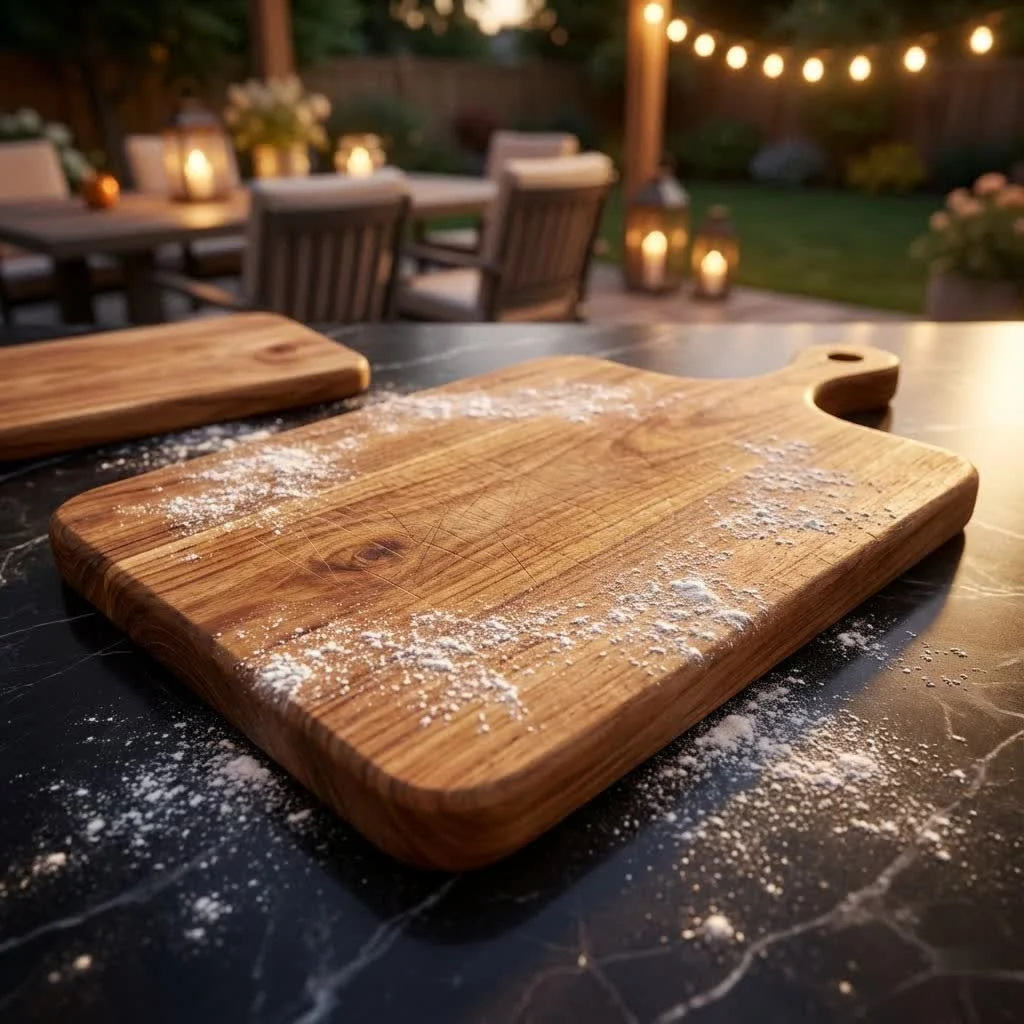
Wood Cutting Boards
Hardwoods like maple, walnut, and teak are often considered the gold standard for cutting boards. They are prized for their aesthetic appeal and functional advantages.
- Pros: Wood is exceptionally gentle on knife blades, helping to maintain sharpness longer. Many hardwoods possess natural antimicrobial properties, which can inhibit bacterial growth. They are durable, sturdy, and can last for many years with proper care. End-grain wood boards, where the wood fibers are oriented vertically, are particularly esteemed for their self-healing properties, allowing knife cuts to close up.
- Cons: Wood boards require regular maintenance, including oiling to prevent drying, warping, and cracking. They are not dishwasher safe and must be hand-washed and thoroughly dried. They can also be quite heavy.
Plastic Cutting Boards
Typically made from polyethylene, plastic cutting boards are a ubiquitous presence in kitchens worldwide.
- Pros: Plastic boards are generally more affordable and lightweight, making them easy to handle and store. Many are dishwasher safe, offering convenient sanitization, which is particularly beneficial when handling raw meats to prevent cross-contamination. They come in various colors, enabling color-coding for different food types.
- Cons: Plastic is harder on knife blades than wood, leading to faster dulling. Over time, deep knife cuts can accumulate, creating crevices where bacteria can harbor and become difficult to clean, necessitating regular replacement for hygiene. They are also prone to warping if not properly cared for.
Bamboo Cutting Boards
A popular eco-friendly alternative, bamboo is known for its rapid growth and sustainability.
- Pros: Bamboo is a renewable resource, making it an environmentally conscious choice. It is naturally resistant to water and stains, and generally more affordable than many hardwood options.
- Cons: Bamboo is considerably harder than traditional wood, which can dull knives more quickly. Cheaper bamboo boards may be constructed with toxic glues containing formaldehyde. Its porous nature requires diligent cleaning and occasional oiling to prevent bacterial buildup and maintain condition.
Composite Cutting Boards
|
Our Picks for the Best Cutting Board in 2026
As an Amazon Associate I earn from qualifying purchases.
|
||
| Num | Product | Action |
|---|---|---|
| 1 | Bamboo Cutting Boards for Kitchen [Set of 3] Wood Cutting Board for Chopping Meat, Vegetables, Fruits, Cheese, Knife Friendly Serving Tray with Handles |
![Check Bamboo Cutting Boards for Kitchen [Set of 3] Wood Cutting Board for Chopping Meat, Vegetables, Fruits, Cheese, Knife Friendly Serving Tray with Handles on Amazon](https://bmpav.com/wp-content/plugins/amazon-tables/assets/images/buy.png)
|
| 2 | GORILLA GRIP BPA-Free Reversible Kitchen Cutting Board Set of 3, US Designed, Nonporous, Juice Grooves Catch Liquid, Slip Resistant Border, Dishwasher Safe, Durable Food Chopping Boards, Aqua Gray |
|
| 3 | GORILLA GRIP BPA-Free Reversible Kitchen Cutting Board Set of 3, US Designed, Nonporous, Juice Grooves Catch Liquid, Slip Resistant Border, Dishwasher Safe, Durable Large Food Chopping Boards, Aqua |
|
| 4 | Titanium Cutting Board for Kitchen, Cutting Board Double Sided Food Grade, Pure Titanium/PP, Easy to Clean Large Size 16”×11” |
|
| 5 | GORILLA GRIP BPA-Free Reversible Kitchen Cutting Board Set of 3, US Designed, Nonporous, Juice Grooves Catch Liquid, Slip Resistant Border, Dishwasher Safe, Durable Food Chopping Boards, Almond Gray |
|
| 6 | GORILLA GRIP BPA-Free Reversible Kitchen Cutting Board Set of 3, US Designed, Nonporous, Juice Grooves Catch Liquid, Slip Resistant Border, Dishwasher Safe, Durable Large Food Chopping Boards, Black |
|
| 7 | GORILLA GRIP BPA-Free Reversible Kitchen Cutting Board Set of 3, US Designed, Nonporous, Juice Grooves Catch Liquid, Slip Resistant Border, Dishwasher Safe, Durable Food Chopping Boards, Black Gray |
|
| 8 | Keechee Bamboo Cutting Board, Durable Wood Cutting Boards for Kitchen with Deep Juice Grooves & Built-in Handles, Ideal Charcuterie & Chopping for Meat, Vegetables and Fruits Ideal Kitchen Gifts |
|
| 9 | GORILLA GRIP BPA-Free Reversible Kitchen Cutting Board Set of 3, US Designed, Nonporous, Juice Grooves Catch Liquid, Slip Resistant Border, Dishwasher Safe Large Food Chopping Boards, Black Aqua Gray |
|
| 10 | Kikcoin Extra Large Bamboo Cutting Boards, (Set of 3) Chopping Boards with Juice Groove Bamboo Wood Cutting Board Set Butcher Block for Kitchen, End Grain Serving Tray |
|
Made from a blend of wood fibers and resin, composite boards offer a unique combination of features. Brands like Epicurean are well-known in this category.
- Pros: These boards are typically thin, lightweight, durable, and often dishwasher safe. They are resistant to stains and odors.
- Cons: While durable, they can still be harder on knife edges than solid wood and may dull knives over time. They lack the natural aesthetic of traditional wood.
Flexible Cutting Mats
Often sold in sets, these thin plastic mats are a budget-friendly and versatile option.
- Pros: Highly affordable, easy to store (can be rolled or hung), and often come in different colors for preventing cross-contamination between food types. Most are dishwasher safe.
- Cons: They offer less stability during vigorous chopping and are not as durable as thicker boards, making them prone to slipping and deep cuts.
Materials to Generally Avoid
Certain materials are not recommended for everyday cutting board use due to their impact on knife sharpness and safety:
- Glass, Marble, and Stone: While hygienic and aesthetically pleasing, these extremely hard surfaces will rapidly dull and even damage your knife blades. They can also be slippery and loud during use.
- Stainless Steel: Like glass, stainless steel is non-porous and sanitary but is exceptionally harsh on knives, causing them to dull quickly.
Key Factors When Choosing Your Cutting Board
Beyond material type, several factors should guide your decision:
- Knife Protection: Prioritize boards that are gentle on your knives. Wood and silicone are excellent in this regard, while glass, stone, and metal should be avoided.
- Hygiene and Food Safety: All boards require proper cleaning. Wood has natural antimicrobial properties, but plastic boards, especially when used for raw meats, benefit from dishwasher sanitization or a bleach solution and should be replaced once deeply scarred.
- Durability: Invest in a board that can withstand daily use without warping, cracking, or developing excessive knife marks. Hardwood and thick plastic options generally offer good durability.
- Maintenance and Ease of Cleaning: Consider your willingness to oil wooden boards versus the convenience of dishwasher-safe plastic or composite options.
- Size and Stability: Choose a board large enough for your typical prep tasks, with enough counter space to accommodate it. Non-slip feet or a grippy surface are valuable features to prevent movement during chopping.
- Features: Look for helpful additions like juice grooves for carving meats or tapered handles for easy lifting.
Essential Cutting Board Care and Maintenance
Proper care extends the life of your cutting board and ensures food safety.
For All Cutting Boards:
- Immediate Cleaning: Wash your cutting board with warm, soapy water immediately after each use to remove food residues. Scrape off any stubborn particles.
- Sanitizing: For plastic boards, a run through the dishwasher typically sanitizes them. For wood boards, a mixture of one part vinegar to two parts water can be used as a natural sanitizing agent. Rinse thoroughly after sanitizing.
- Drying: Always dry your board thoroughly with a clean towel after washing, then allow it to air dry completely, ideally standing upright or on a raised rack to ensure even airflow. This prevents warping and bacterial growth.
- Avoid Submerging: Never soak any cutting board in water, especially wooden ones, as this can lead to warping, cracking, and damage.
- When to Replace: Replace plastic boards when they develop deep, irreparable knife grooves where bacteria can accumulate. Wooden boards can often be sanded down to remove deep cuts, but severely warped or cracked boards should be retired.
Specific Care for Wood and Bamboo Boards:
- Oiling: Wooden and bamboo boards require regular oiling to keep them conditioned, prevent drying and cracking, and maintain their natural beauty. Use food-safe mineral oil or a board cream (a blend of mineral oil and beeswax).
- Application: Apply a generous amount of oil to all surfaces of a clean, dry board. Let it soak in for several hours or overnight. Wipe off any excess.
- Frequency: Oil your board monthly, or whenever it appears dry to the touch and water no longer beads on the surface. Avoid using cooking oils like olive oil, as they can turn rancid.
- No Dishwasher: The high heat and moisture of a dishwasher are detrimental to wood and bamboo, causing them to warp, crack, and potentially harbor bacteria. Always hand-wash these boards.
- Avoid Extreme Temperatures: Do not place hot pots or pans directly on wooden boards, as extreme temperature changes can cause damage.
By understanding the strengths and weaknesses of different materials and committing to proper care, you can select the best cutting board that not only enhances your cooking experience but also stands the test of time in your kitchen.
Frequently Asked Questions
What is the best material for a cutting board to protect knives?
Wood, particularly hardwoods like maple, walnut, and teak, is considered the best material for protecting knife blades. These materials are gentle on edges, helping to maintain sharpness longer than harder surfaces like glass or stone. Silicone is also excellent for knife protection.
How often should I oil my wooden cutting board?
You should oil your wooden cutting board monthly, or whenever it appears dry to the touch and water no longer beads on the surface. Use food-safe mineral oil or a board cream (a blend of mineral oil and beeswax) to prevent drying, warping, and cracking. Avoid cooking oils, as they can turn rancid.
Are plastic cutting boards safe for raw meat preparation?
Yes, plastic cutting boards are safe for raw meat preparation, especially since many are dishwasher safe, allowing for convenient sanitization. However, they should be replaced once deep knife cuts accumulate, as these crevices can harbor bacteria and become difficult to clean effectively.
What materials should I avoid when buying a cutting board?
You should generally avoid cutting boards made from glass, marble, stone, and stainless steel. These extremely hard surfaces will rapidly dull and damage your knife blades, and can also be slippery and loud during use. They offer poor knife protection compared to wood or plastic.
How do I properly clean and sanitize a cutting board?
Immediately wash your cutting board with warm, soapy water after each use. For plastic boards, running them through a dishwasher sanitizes them. For wood boards, use a mixture of one part vinegar to two parts water as a natural sanitizing agent, then rinse thoroughly. Always dry the board completely, ideally standing upright, to prevent warping and bacterial growth.
Cooking gear we tested in our own kitchens
Free PDF — preheat times measured on 10 popular air fryers.
As someone who cooks daily, knife protection is a huge deal for me. I switched from bamboo to a high-quality plastic board for my raw meats, and it’s been fantastic for food safety and easy cleanup. For everything else, my end-grain maple board is still king. It’s great to have options that protect my expensive knives and keep my kitchen hygienic.
I finally upgraded to a maple cutting board after years of using a flimsy plastic one, and wow, what a difference! My knives feel so much better, and I’m not constantly worried about dulling them. The maintenance seemed a bit daunting at first, but oiling it every few weeks is actually pretty easy. Definitely worth the investment for anyone serious about cooking.
I’ve always struggled with my cutting board slipping around, which makes chopping really unsafe. This post mentioned looking for boards with non-slip feet or a good weight, and I ended up getting a walnut board that’s much more stable. It’s made a huge difference in my food prep, especially when I’m doing a lot of dicing. My only wish is that it came in a slightly larger size.
I got a new teak cutting board based on recommendations for its durability. It’s definitely sturdy and looks great on my counter. However, I’ve noticed it’s a bit heavier than I expected, which makes it a little awkward to move to the sink for cleaning. It’s a minor complaint, but something to consider if you have limited counter space or strength.