A Boos Board cutting board is a worthwhile investment for culinary enthusiasts and professional chefs due to its exceptional longevity, performance, and aesthetic appeal, stemming from its heritage of craftsmanship since 1887 and use of superior North American hardwoods like Hard Rock Maple. These boards protect valuable knives and offer a stable, sanitary surface for food preparation when properly maintained.
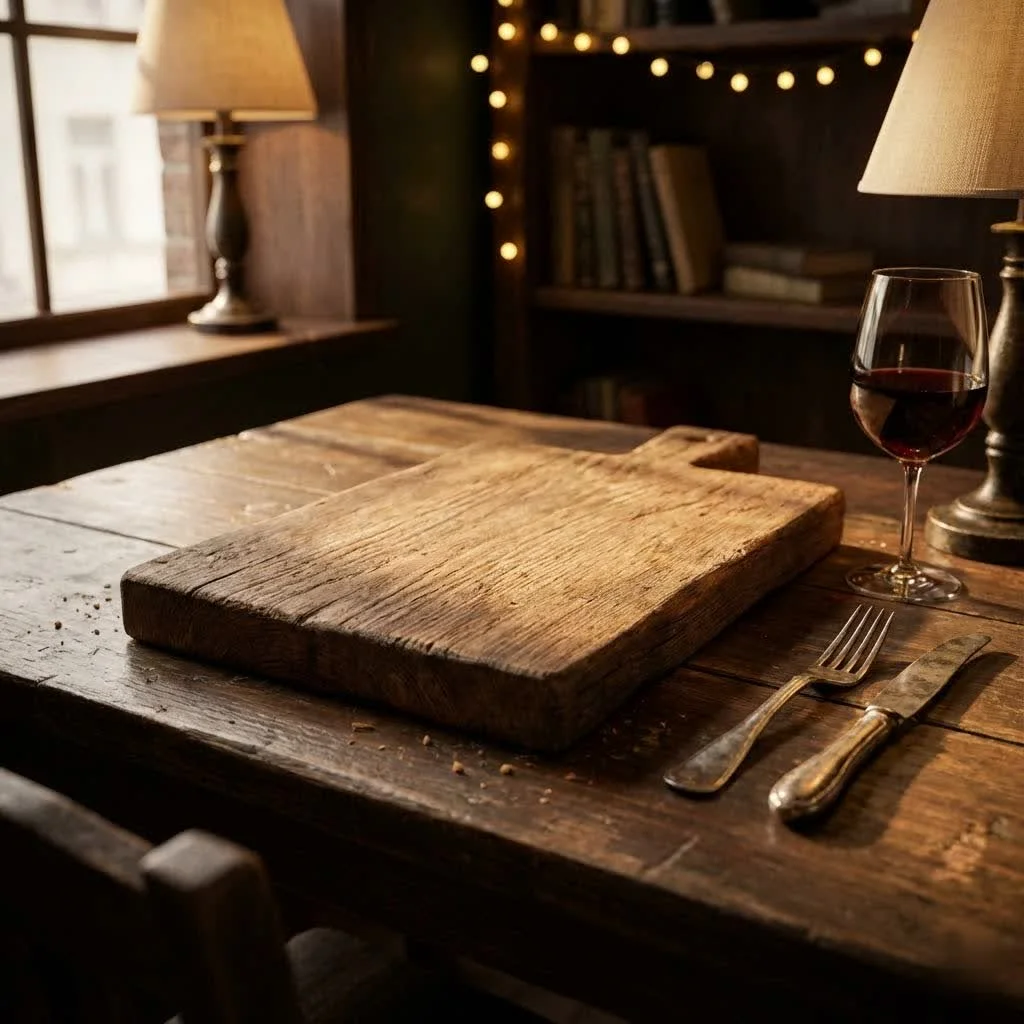
Why a Boos Board Stands Apart
The reputation of John Boos boards is built on a commitment to craftsmanship, superior materials, and thoughtful design.
Craftsmanship and Heritage
Originating from Effingham, Illinois, John Boos & Co. has a storied history of crafting wood products. Each board reflects generations of expertise, with many still being manufactured in the USA from sustainably sourced North American hardwoods. This dedication to tradition ensures that every Boos Board is a piece of enduring quality, designed to withstand the rigors of daily kitchen use.
Superior Materials for Lasting Performance
Boos Boards are primarily made from robust North American hardwoods, with Hard Rock Maple being the most common. Other popular options include American Cherry and American Black Walnut, each offering distinct aesthetic and functional properties:
- Maple: Renowned for its exceptional hardness and tight grain, maple is a resilient and durable choice. It’s naturally resistant to nicks, grooves, and stains, making it an excellent surface for general food preparation and especially good for protecting knife edges. Maple boards are often NSF certified, underscoring their hygienic properties.
- Walnut: Prized for its rich, dark tones and inherent beauty, walnut offers a slightly softer surface than maple, which can be even gentler on knives. It adds a sophisticated touch to any kitchen and is a popular choice for serving.
- Cherry: With its warm, reddish-brown hues that deepen over time, cherry is another beautiful hardwood option. It strikes a balance between hardness and knife-friendliness, making it a versatile choice.
Durability, Knife Protection, and Sanitation
A key benefit of Boos Boards is their ability to protect your valuable knives. Unlike harder surfaces that can dull blades quickly, the forgiving nature of wood helps maintain a knife’s edge. Studies have shown that wood cutting boards, particularly those made from hardwoods like maple, possess natural antimicrobial properties, inhibiting bacterial growth and making them a safe and sanitary choice for food preparation when properly maintained. Their substantial weight and thickness also provide unparalleled stability during chopping and slicing, turning your countertop into a reliable workspace.
Understanding Boos Board Construction: Edge Grain vs. End Grain
|
Our Picks for the Best Cutting Board in 2026
As an Amazon Associate I earn from qualifying purchases.
|
||
| Num | Product | Action |
|---|---|---|
| 1 | GORILLA GRIP BPA-Free Reversible Kitchen Cutting Board Set of 3, US Designed, Nonporous, Juice Grooves Catch Liquid, Slip Resistant Border, Dishwasher Safe Large Food Chopping Boards, Black Aqua Gray |

|
| 2 | GORILLA GRIP BPA-Free Reversible Kitchen Cutting Board Set of 3, US Designed, Nonporous, Juice Grooves Catch Liquid, Slip Resistant Border, Dishwasher Safe, Durable Food Chopping Boards, Almond Gray |
|
| 3 | GORILLA GRIP BPA-Free Reversible Kitchen Cutting Board Set of 3, US Designed, Nonporous, Juice Grooves Catch Liquid, Slip Resistant Border, Dishwasher Safe, Durable Food Chopping Boards, Black Gray |
|
| 4 | Titanium Cutting Board for Kitchen, Cutting Board Double Sided Food Grade, Pure Titanium/PP, Easy to Clean Large Size 16”×11” |
|
| 5 | GORILLA GRIP BPA-Free Reversible Kitchen Cutting Board Set of 3, US Designed, Nonporous, Juice Grooves Catch Liquid, Slip Resistant Border, Dishwasher Safe, Durable Large Food Chopping Boards, Black |
|
| 6 | Keechee Bamboo Cutting Board, Durable Wood Cutting Boards for Kitchen with Deep Juice Grooves & Built-in Handles, Ideal Charcuterie & Chopping for Meat, Vegetables and Fruits Ideal Kitchen Gifts |
|
| 7 | GORILLA GRIP BPA-Free Reversible Kitchen Cutting Board Set of 3, US Designed, Nonporous, Juice Grooves Catch Liquid, Slip Resistant Border, Dishwasher Safe, Durable Large Food Chopping Boards, Aqua |
|
| 8 | Kikcoin Extra Large Bamboo Cutting Boards, (Set of 3) Chopping Boards with Juice Groove Bamboo Wood Cutting Board Set Butcher Block for Kitchen, End Grain Serving Tray |
|
| 9 | GORILLA GRIP BPA-Free Reversible Kitchen Cutting Board Set of 3, US Designed, Nonporous, Juice Grooves Catch Liquid, Slip Resistant Border, Dishwasher Safe, Durable Food Chopping Boards, Aqua Gray |
|
| 10 | Bamboo Cutting Boards for Kitchen [Set of 3] Wood Cutting Board for Chopping Meat, Vegetables, Fruits, Cheese, Knife Friendly Serving Tray with Handles |
|
John Boos offers boards in two primary grain constructions, each with unique characteristics:
- Edge Grain: In edge grain boards, the wood strips are laid on their sides, with the long grain visible on the cutting surface. These boards are typically very durable, resistant to warping, and more economical. They offer a stable cutting surface and are robust enough for everyday use.
- End Grain: End grain boards are crafted by arranging short blocks of wood with the end grain facing up. This construction results in a “self-healing” surface, as knife blades tend to slide between the wood fibers rather than cut across them. This makes end grain boards exceptionally gentle on knives and helps to minimize visible knife marks. They often feature a distinctive checkerboard or mosaic pattern due to the varied end-grain colors, making them highly aesthetic. However, end grain boards generally require more diligent maintenance to prevent drying out.
Many Boos Boards also come with thoughtful features like reversible designs, allowing for two distinct cutting surfaces, and integrated juice grooves to contain liquids from meats and fruits, keeping your countertops clean.
Essential Care and Maintenance for Your Boos Board
To ensure your Boos Board lasts a lifetime and performs at its best, proper care is crucial. This involves a simple yet consistent two-step process:
- Cleaning: After each use, wipe your board clean with warm water and a mild dish soap. Never submerge a wooden cutting board in water or put it in a dishwasher, as this can lead to warping, cracking, and damage. Dry the board immediately and thoroughly with a clean towel, then allow it to air dry completely, ideally standing on its edge, before storing.
- Oiling with Boos Block Mystery Oil: This food-grade mineral oil penetrates deep into the wood fibers, replenishing lost moisture and protecting against drying and cracking. Apply an even, liberal coat of Mystery Oil to all surfaces of your board (including the sides) at least once a month, or more frequently with heavy use. Allow the oil to soak in overnight, then wipe off any excess. For new boards, it’s recommended to season them with multiple applications before first use until the wood appears saturated.
- Conditioning with Boos Block Board Cream: After oiling, follow up with Boos Block Board Cream. This blend of unbleached beeswax and mineral oil creates a protective barrier on the wood’s surface, sealing in moisture and guarding against spills and stains. Apply an even coat of cream, let it penetrate overnight, and then buff off any excess. This two-step process revitalizes the wood and provides a long-lasting protective layer.
Regular maintenance not only preserves the beauty and integrity of your board but also enhances its hygienic properties.
Is a Boos Board Worth the Investment?
While a Boos Board cutting board often represents a higher initial investment compared to other options, its value becomes evident through its exceptional longevity, performance, and aesthetic appeal. For those who cook frequently and appreciate quality tools, a Boos Board is more than just a purchase; it’s an enduring asset that will serve your kitchen for decades, protecting your knives, providing a reliable workspace, and bringing a touch of professional elegance to your home. With proper care, it’s a legacy piece that can even be passed down through generations.
A Boos Board cutting board is a shows timeless quality and functional design. By understanding its materials, construction, and the simple steps for its care, you can enjoy this indispensable kitchen companion for many years to come, elevating your culinary experience with every slice and chop.
Care and Maintain Your Boos Board Cutting Board
Proper care and maintenance are crucial for ensuring your Boos Board lasts a lifetime and performs optimally. Follow these steps for cleaning, oiling, and conditioning.
After each use, wipe your board clean with warm water and a mild dish soap. Never submerge a wooden cutting board in water or put it in a dishwasher, as this can lead to warping, cracking, and damage. Dry the board immediately and thoroughly with a clean towel, then allow it to air dry completely, ideally standing on its edge, before storing.
Apply an even, liberal coat of Boos Block Mystery Oil to all surfaces of your board (including the sides) at least once a month, or more frequently with heavy use. This food-grade mineral oil penetrates deep into the wood fibers, replenishing lost moisture and protecting against drying and cracking. Allow the oil to soak in overnight, then wipe off any excess.
After oiling, follow up with Boos Block Board Cream. This blend of unbleached beeswax and mineral oil creates a protective barrier on the wood's surface, sealing in moisture and guarding against spills and stains. Apply an even coat of cream, let it penetrate overnight, and then buff off any excess. This two-step process revitalizes the wood and provides a long-lasting protective layer.
Cooking gear we tested in our own kitchens
Free PDF — preheat times measured on 10 popular air fryers.
I’ve been using John Boos boards in my professional kitchen for years, so I knew what to expect when I got one for home. The craftsmanship is top-notch, and it really does protect my good knives. My only minor complaint is that it’s quite heavy, which makes moving it around for cleaning a bit of a workout. Still, for the stability and durability, it’s a small price to pay.
I finally splurged on a Boos Board after years of using flimsy plastic ones, and wow, what a difference! My knives feel so much better, and I can tell this Hard Rock Maple board is going to last forever. It’s definitely a significant investment, but totally worth it for the quality and how much easier food prep has become. Plus, it looks gorgeous on my counter.
This Boos Board is a game-changer for my kitchen. I love that it’s made in the USA from sustainably sourced North American hardwoods. The surface is incredibly stable, which makes chopping vegetables so much safer and more efficient. It’s clear that generations of expertise went into making this product, and it shows in every detail.
I was really excited about getting a Boos Board, especially hearing about its heritage since 1887. It’s a beautiful board and feels very sturdy. However, I found the maintenance a bit more involved than I anticipated to keep it sanitary and looking good. I’m still getting used to oiling it regularly, but I’m hopeful it will pay off in the long run.