Switching to a non-plastic cutting board is a proactive step towards a healthier kitchen and a greener planet, as plastic boards can release microplastics into food and harbor bacteria. Non-plastic alternatives like wood, bamboo, wood fiber composites, natural rubber, and even stainless steel offer enhanced food safety, superior durability, and aesthetic appeal, transforming your cooking experience and reducing your environmental footprint.
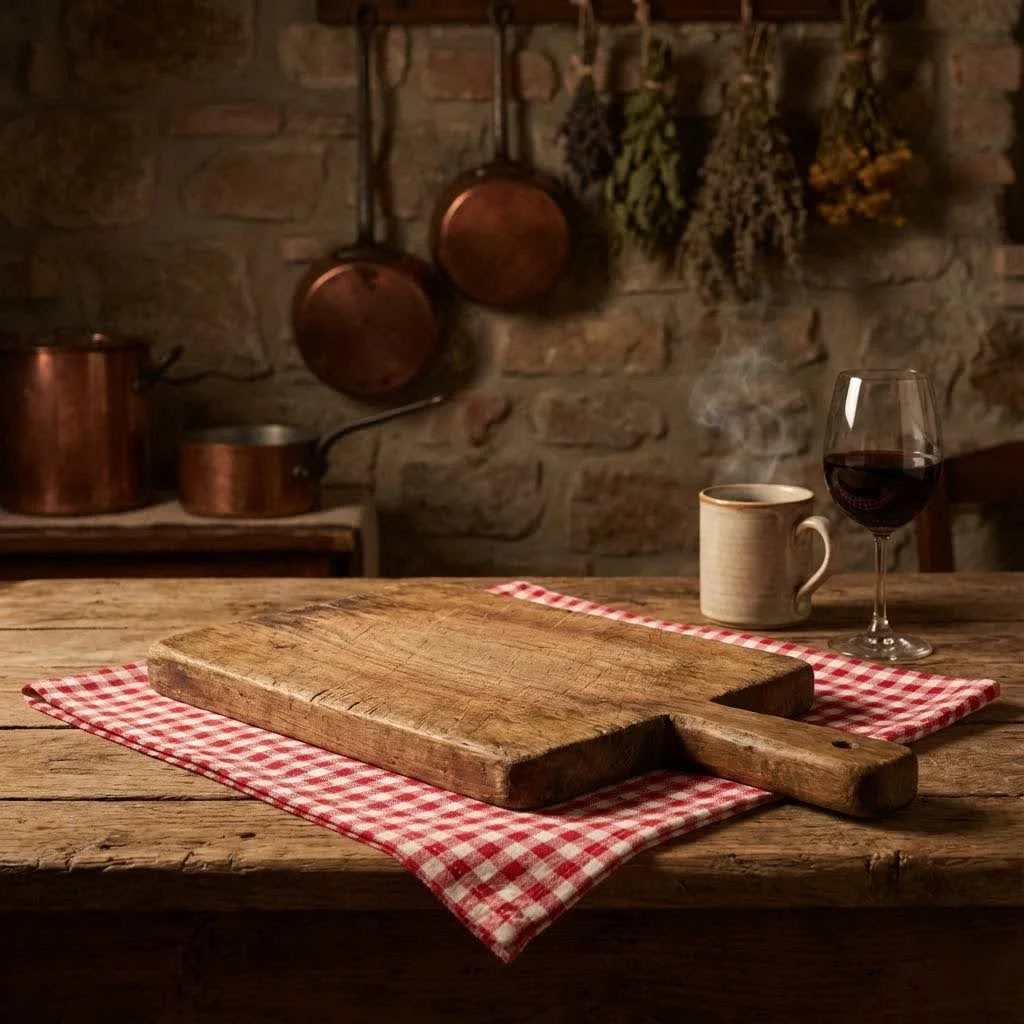 cutting boards including wood and bamboo” style=”margin: 20px auto;width: 800px;max-width: 100%;height: auto” />
While plastic cutting boards have been a convenient staple, recent studies reveal they may be a “significant source of microplastics in human food,” alongside harboring bacteria in their grooves. This alarming discovery has prompted many home cooks and professional chefs to seek out safer, more sustainable alternatives.
The Unseen Risks of Plastic Cutting Boards
The primary concern with plastic cutting boards stems from the release of microplastics and nanoplastics. As knives cut into the surface, tiny plastic particles, less than 5 millimeters in diameter, break off. These microscopic bits can then cling to your food, entering your body through ingestion. Emerging medical studies suggest a link between ingested microplastics and an increased risk of serious health issues, including “myocardial infarction, stroke, or death.”
Beyond microplastics, plastic cutting boards also pose a significant bacterial risk. Their surfaces tend to develop deep grooves and scratches over time, creating ideal hiding spots for food particles and moisture. This allows harmful bacteria like E. coli, Salmonella, and Listeria to thrive and multiply, even after cleaning, increasing the risk of cross-contamination and foodborne illnesses. Plastic is a petroleum-based material that is non-biodegradable, contributing to environmental pollution and taking thousands of years to break down.
Discovering Superior Non-Plastic Cutting Board Materials
Fortunately, a variety of excellent non-plastic cutting board options exist, each offering unique advantages for health, performance, and sustainability.
1. Wood Cutting Boards
Wood cutting boards are a timeless favorite, cherished for their natural beauty, durability, and knife-friendly surfaces. Hardwoods like maple, walnut, cherry, acacia, hinoki, and olivewood are popular choices.
- Natural Antimicrobial Properties: Contrary to popular belief, wood is naturally antibacterial. When moisture is absorbed into the wood’s porous surface, bacteria are drawn in and die off rather than remaining on the cutting surface. This makes wood a safer surface for daily food prep, even for raw meats, a practice endorsed by the USDA.
- Knife Protection: Woods like hinoki, maple, and cherry are medium-soft, allowing your knife blade to “give” with the cutting motion, which helps keep knives sharper for longer.
- Durability and Aesthetics: Quality hardwood boards are thick, sturdy, and built to last a lifetime with proper care. Their rich, elegant look with unique grain patterns also makes them beautiful kitchen accents that can double as serving platters.
- Maintenance: Wood boards require handwashing with mild soap and warm water, thorough drying, and regular oiling (every 2-3 weeks) with food-safe oils like coconut oil, linseed oil, or beeswax to maintain their nourishment and durability.
2. Bamboo Cutting Boards
|
Our Picks for the Best Cutting Board in 2026
As an Amazon Associate I earn from qualifying purchases.
|
||
| Num | Product | Action |
|---|---|---|
| 1 | GORILLA GRIP BPA-Free Reversible Kitchen Cutting Board Set of 3, US Designed, Nonporous, Juice Grooves Catch Liquid, Slip Resistant Border, Dishwasher Safe, Durable Large Food Chopping Boards, Black |

|
| 2 | Titanium Cutting Board for Kitchen, Cutting Board Double Sided Food Grade, Pure Titanium/PP, Easy to Clean Large Size 16”×11” |
|
| 3 | Kikcoin Extra Large Bamboo Cutting Boards, (Set of 3) Chopping Boards with Juice Groove Bamboo Wood Cutting Board Set Butcher Block for Kitchen, End Grain Serving Tray |
|
| 4 | Bamboo Cutting Boards for Kitchen [Set of 3] Wood Cutting Board for Chopping Meat, Vegetables, Fruits, Cheese, Knife Friendly Serving Tray with Handles |
|
| 5 | GORILLA GRIP BPA-Free Reversible Kitchen Cutting Board Set of 3, US Designed, Nonporous, Juice Grooves Catch Liquid, Slip Resistant Border, Dishwasher Safe, Durable Large Food Chopping Boards, Aqua |
|
| 6 | GORILLA GRIP BPA-Free Reversible Kitchen Cutting Board Set of 3, US Designed, Nonporous, Juice Grooves Catch Liquid, Slip Resistant Border, Dishwasher Safe, Durable Food Chopping Boards, Almond Gray |
|
| 7 | GORILLA GRIP BPA-Free Reversible Kitchen Cutting Board Set of 3, US Designed, Nonporous, Juice Grooves Catch Liquid, Slip Resistant Border, Dishwasher Safe, Durable Food Chopping Boards, Black Gray |
|
| 8 | GORILLA GRIP BPA-Free Reversible Kitchen Cutting Board Set of 3, US Designed, Nonporous, Juice Grooves Catch Liquid, Slip Resistant Border, Dishwasher Safe, Durable Food Chopping Boards, Aqua Gray |
|
| 9 | Keechee Bamboo Cutting Board, Durable Wood Cutting Boards for Kitchen with Deep Juice Grooves & Built-in Handles, Ideal Charcuterie & Chopping for Meat, Vegetables and Fruits Ideal Kitchen Gifts |
|
| 10 | GORILLA GRIP BPA-Free Reversible Kitchen Cutting Board Set of 3, US Designed, Nonporous, Juice Grooves Catch Liquid, Slip Resistant Border, Dishwasher Safe Large Food Chopping Boards, Black Aqua Gray |
|
Bamboo has emerged as a highly sustainable and healthy alternative to plastic.
- Natural Antimicrobial: Bamboo contains a compound called “bamboo kun,” which acts as a natural antifungal and antibacterial agent, preventing bacteria from growing on the surface.
- Dense and Non-Porous: Bamboo’s dense structure and non-porous surface mean it doesn’t absorb liquids as readily as plastic, making it easier to clean and sanitize.
- Sustainability: Bamboo is a rapidly renewable resource, growing quickly with minimal water or pesticides, making it an eco-friendly choice.
- Considerations: While durable, some bamboo boards can be hard on knife edges due to a high presence of silica. Many bamboo boards are also made from glued strips, so it’s important to look for those using non-toxic, formaldehyde-free glues.
3. Wood Fiber/Paper Composite Cutting Boards
Brands like Epicurean and Material Kitchen offer composite cutting boards made from natural fibers and resins.
- Durability and Convenience: These boards are known for being durable, resisting food stains, and often being dishwasher-safe, making them a low-maintenance option similar to plastic but without the microplastic risk. Material Kitchen’s “The MK Free Board,” for instance, is made from natural, plant-based materials that don’t shed risky compounds.
- Eco-Friendly: Made from renewable resources like paper or pine leaf fiber, they are more sustainable than petroleum-based plastics.
- Certifications: Look for boards certified as non-toxic by organizations like NSF International to ensure material safety.
4. Natural Rubber Cutting Boards
Less common but highly regarded, especially by sushi chefs, natural rubber cutting boards offer a unique set of benefits.
- Knife-Friendly: Natural rubber provides a resilient surface that is gentle on knives, helping to maintain their sharpness.
- Hygienic and Self-Restorative: They are often scratch-resistant and some have self-restorative properties that prevent deep gouges, contributing to better hygiene by not harboring bacteria. They are also quick-drying.
- Safety: Natural rubber is biodegradable, and it’s essential to ensure they are free from phthalates and other toxic chemicals.
5. Stainless Steel and Titanium Cutting Boards
For those prioritizing extreme durability and minimal maintenance, metal options exist.
- Safety and Durability: Stainless steel and titanium are extremely safe, non-porous, corrosion-resistant, and won’t leach chemicals or harbor bacteria. Titanium, in particular, is highly durable, non-reactive, and even used in medical implants.
- Easy to Clean: These boards are very easy to clean and sanitize, often requiring just a quick wash.
- Considerations: The primary drawback is that they can be very hard on knives, dulling them faster than wood or rubber. They can also be noisy and sometimes slippery on countertops, often requiring a non-slip mat.
Choosing the Right Non-Plastic Cutting Board for Your Kitchen
When selecting a non-plastic cutting board, consider your specific needs:
- Usage: If you frequently cut raw meat, an NSF-certified wood composite or a dedicated wood board with proper sanitization is excellent. For general prep, softer woods or bamboo are ideal for knife preservation.
- Maintenance: If dishwasher-safe is a must, certified wood fiber composites are a great choice. Otherwise, be prepared for handwashing and regular oiling for wood and bamboo boards.
- Budget: Options range from affordable bamboo to premium end-grain wood or titanium boards.
- Aesthetics: Wood boards offer natural beauty, while composite boards often provide sleek, modern designs.
Care and Maintenance for Lasting Performance
Regardless of the non-plastic material you choose, proper care is key to longevity and hygiene:
- Handwash: Most non-plastic boards, especially wood and bamboo, should be handwashed with mild soap and warm water. Avoid dishwashers as high heat and prolonged moisture can lead to warping, cracking, or degradation.
- Dry Thoroughly: Always dry your board immediately with a clean towel and store it upright in a well-ventilated area to allow airflow, preventing mold growth.
- Oil Regularly (for Wood/Bamboo): Oil your wood and bamboo boards every 2-3 weeks with food-grade mineral oil, coconut oil, linseed oil, or beeswax to keep them hydrated and prevent drying and cracking.
- Sanitize: Beyond daily cleaning, sanitize your board as needed (e.g., after cutting raw meat) or every few months using an approved sanitizer or natural methods like coarse salt and half a lemon to remove stains and odors.
- Use Sharp Knives: Sharp knives cause less damage to the board’s surface than dull ones.
By understanding the benefits and characteristics of non-plastic cutting boards, you can make an informed decision that elevates your culinary experience while safeguarding your health and contributing to a more sustainable environment.
Frequently Asked Questions
Why should I switch from plastic to non-plastic cutting boards?
You should switch from plastic to non-plastic cutting boards because plastic boards can release microplastics into your food, which are linked to health issues, and their grooves can harbor harmful bacteria like E. coli and Salmonella. Non-plastic alternatives offer safer, more hygienic, and environmentally friendly options for food preparation.
What are the best non-plastic materials for cutting boards?
The best non-plastic materials for cutting boards include hardwoods like maple and walnut, bamboo, wood fiber composites, natural rubber, and stainless steel. Each material offers unique benefits such as natural antimicrobial properties, knife-friendliness, durability, and sustainability.
How do wood cutting boards prevent bacterial growth?
Wood cutting boards prevent bacterial growth due to their natural antimicrobial properties. When moisture is absorbed into the wood's porous surface, bacteria are drawn in and die off rather than remaining on the cutting surface, a practice endorsed by the USDA for raw meats.
Are bamboo cutting boards good for knife edges?
While bamboo cutting boards are durable and sustainable, some can be hard on knife edges due to a high presence of silica. It's important to choose high-quality bamboo boards and be aware that they might dull knives faster than softer wood options like hinoki or maple.
What maintenance do non-plastic cutting boards require?
Most non-plastic cutting boards, especially wood and bamboo, require handwashing with mild soap and warm water, thorough drying, and regular oiling every 2-3 weeks with food-grade mineral oil or beeswax. Avoid dishwashers to prevent warping or cracking, and sanitize periodically, especially after cutting raw meat.
Cooking gear we tested in our own kitchens
Free PDF — preheat times measured on 10 popular air fryers.
I’ve been using a bamboo cutting board for a while now, and it’s been pretty good. It looks nice and is definitely better than plastic. My only minor complaint is that it seems to absorb a bit more moisture than I expected, so I have to be diligent about drying it immediately after washing. Still, for the price, it’s a solid choice and a huge improvement over my old plastic ones.
As someone who cooks daily, I’m always looking for the best tools. I’ve tried various materials, and the natural rubber board mentioned here caught my eye. It’s incredibly gentle on my knives, which is a huge plus, and it doesn’t slip around on the counter at all. The hygiene aspect of not harboring bacteria in grooves is also a big win for me. Highly recommend it for serious home cooks.
I finally made the switch from my old plastic boards after reading about the microplastic issue. This post really highlighted the benefits of wood fiber composites, and I decided to try one. It’s fantastic! Super durable, easy to clean, and I feel so much better knowing I’m not adding tiny plastic bits to my meals. Definitely a worthwhile upgrade for any kitchen.
I was really excited to try a stainless steel cutting board after hearing about their durability and ease of cleaning. While it’s certainly hygienic and looks sleek, I found it to be quite noisy when chopping, especially with harder vegetables. It also feels a bit too hard on my knife edges compared to wood. It’s okay, but I might go back to a good quality wooden board next time.