A Hinoki cutting board offers superior benefits for culinary enthusiasts and professional chefs due to its unique properties, including preserving knife sharpness, natural hygiene, and remarkable durability. Crafted from Japanese Hinoki cypress wood, these boards are medium-soft, allowing the knife edge to sink slightly, which reduces dulling. They also possess natural antimicrobial properties, resisting rot, fungus, and bacteria, making them a hygienic choice for food preparation.
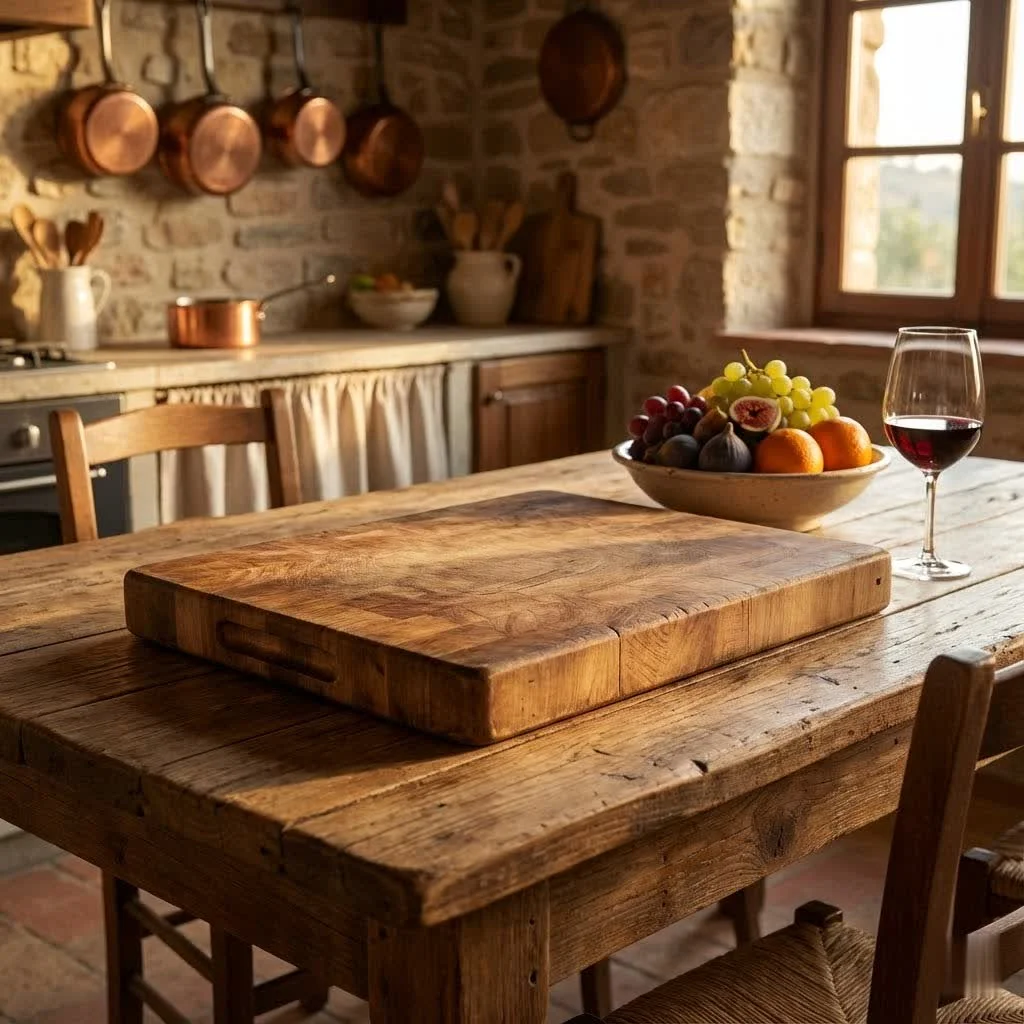
Why Hinoki Reigns Supreme: Unmatched Advantages for Your Kitchen
The esteemed reputation of Hinoki cutting boards is built upon a foundation of remarkable characteristics that elevate them above conventional alternatives. For see our kitchenware recommendations on this site.
Gentle on Your Knives, Kind to Your Edge
One of the most significant advantages of a Hinoki cutting board is its remarkable ability to preserve the sharpness of your knives. Unlike denser hardwoods or bamboo, Hinoki wood is medium-soft. This inherent pliability means the board “gives” slightly under the knife’s edge as you cut, reducing the impact and friction that typically dull blades. For those who invest in high-quality cutlery, a Hinoki board is a vital partner in maintaining their razor-sharp precision for years to come.
A Naturally Hygienic Surface
Beyond knife care, Hinoki wood boasts impressive natural hygienic properties. It is inherently resistant to rotting, fungus growth, and bacteria, making it an exceptionally clean surface for food preparation. This natural antimicrobial defense is a key reason Hinoki boards are favored in professional kitchens, particularly those handling delicate ingredients like sushi. Hinoki cypress emits a fresh, subtle citrus fragrance that adds a pleasant aroma to your kitchen without imparting unwanted smells to your food.
Lightweight Yet Exceptionally Durable
Despite its medium-soft nature, Hinoki is a remarkably durable wood. Evidence of its longevity can be seen in ancient Japanese structures like the Hōryūji Temple, which, built over 1,300 years ago, remains the world’s oldest surviving wooden structure thanks to the resilience of Hinoki. In the kitchen, this translates to a board that withstands daily use, offering a dependable surface for all your chopping needs. Hinoki boards are notably lightweight, making them easy to handle, move, and clean, a practical benefit often overlooked in heavier alternatives.
The Phenomenon of Self-Healing
|
Our Picks for the Best Cutting Board in 2026
As an Amazon Associate I earn from qualifying purchases.
|
||
| Num | Product | Action |
|---|---|---|
| 1 | Bamboo Cutting Boards for Kitchen [Set of 3] Wood Cutting Board for Chopping Meat, Vegetables, Fruits, Cheese, Knife Friendly Serving Tray with Handles |
![Check Bamboo Cutting Boards for Kitchen [Set of 3] Wood Cutting Board for Chopping Meat, Vegetables, Fruits, Cheese, Knife Friendly Serving Tray with Handles on Amazon](https://bmpav.com/wp-content/plugins/amazon-tables/assets/images/buy.png)
|
| 2 | Titanium Cutting Board for Kitchen, Cutting Board Double Sided Food Grade, Pure Titanium/PP, Easy to Clean Large Size 16”×11” |
|
| 3 | Kikcoin Extra Large Bamboo Cutting Boards, (Set of 3) Chopping Boards with Juice Groove Bamboo Wood Cutting Board Set Butcher Block for Kitchen, End Grain Serving Tray |
|
| 4 | GORILLA GRIP BPA-Free Reversible Kitchen Cutting Board Set of 3, US Designed, Nonporous, Juice Grooves Catch Liquid, Slip Resistant Border, Dishwasher Safe, Durable Large Food Chopping Boards, Aqua |
|
| 5 | GORILLA GRIP BPA-Free Reversible Kitchen Cutting Board Set of 3, US Designed, Nonporous, Juice Grooves Catch Liquid, Slip Resistant Border, Dishwasher Safe, Durable Large Food Chopping Boards, Black |
|
| 6 | GORILLA GRIP BPA-Free Reversible Kitchen Cutting Board Set of 3, US Designed, Nonporous, Juice Grooves Catch Liquid, Slip Resistant Border, Dishwasher Safe, Durable Food Chopping Boards, Aqua Gray |
|
| 7 | Keechee Bamboo Cutting Board, Durable Wood Cutting Boards for Kitchen with Deep Juice Grooves & Built-in Handles, Ideal Charcuterie & Chopping for Meat, Vegetables and Fruits Ideal Kitchen Gifts |
|
| 8 | GORILLA GRIP BPA-Free Reversible Kitchen Cutting Board Set of 3, US Designed, Nonporous, Juice Grooves Catch Liquid, Slip Resistant Border, Dishwasher Safe, Durable Food Chopping Boards, Black Gray |
|
| 9 | GORILLA GRIP BPA-Free Reversible Kitchen Cutting Board Set of 3, US Designed, Nonporous, Juice Grooves Catch Liquid, Slip Resistant Border, Dishwasher Safe Large Food Chopping Boards, Black Aqua Gray |
|
| 10 | GORILLA GRIP BPA-Free Reversible Kitchen Cutting Board Set of 3, US Designed, Nonporous, Juice Grooves Catch Liquid, Slip Resistant Border, Dishwasher Safe, Durable Food Chopping Boards, Almond Gray |
|
Hinoki wood possesses a unique characteristic often described as “self-healing.” Minor cut marks and scratches on the board’s surface can often swell and become less noticeable with proper care, particularly after wetting and scrubbing. This helps to maintain a smoother, more attractive surface over time, extending the aesthetic and functional life of your cutting board.
The Professional’s Choice: Embraced by Japanese Cuisine Experts
It’s no coincidence that Hinoki cutting boards are the tool of choice for sushi chefs and highly regarded in Japanese restaurants worldwide, including prestigious establishments like Nobu. Their combination of knife preservation, natural hygiene, and pleasant aroma makes them ideal for the meticulous preparation of delicate ingredients, where precision and cleanliness are paramount. When professionals trust Hinoki for their craft, it speaks volumes about its superior quality and performance.
Caring for Your Hinoki Cutting Board
To ensure your Hinoki cutting board remains in pristine condition and serves you well for many years, follow these simple care guidelines:
- Pre-Wet Before Use: Lightly wet the board with water before each use. This creates a thin barrier that helps resist stains and prevents food odors from penetrating the wood.
- Immediate Hand-Wash: After use, hand-wash the board immediately with hot water and a mild detergent. Avoid harsh scrubbing pads that can damage the wood.
- Thorough Drying: Dry the board thoroughly with a cloth or towel after washing.
- Air Dry Completely: Allow the board to air dry completely on its side or elevated to promote even airflow.
- Avoid Soaking: Never soak your Hinoki board in water for extended periods, as this can lead to warping or cracking.
- Store Away from Heat: Keep your board away from prolonged exposure to direct sunlight or excessive heat sources, which can also cause damage.
By understanding and appreciating the distinct qualities of Hinoki wood, you can make an informed decision that will enhance your culinary endeavors and contribute to the longevity of your valuable kitchen tools. A Hinoki cutting board isn’t just an accessory; it’s an investment in superior cooking.
Frequently Asked Questions
What makes Hinoki wood superior for cutting boards?
Hinoki wood is superior for cutting boards due to its medium-soft texture, which protects knife edges, and its natural resistance to rot, fungus, and bacteria. This combination ensures both knife longevity and a hygienic food preparation surface, making it a preferred choice for many chefs.
How does a Hinoki cutting board protect knife sharpness?
A Hinoki cutting board protects knife sharpness because its medium-soft wood allows the knife's edge to sink slightly into the surface during cutting. This reduces the impact and friction that typically dull blades, helping to maintain the precision of high-quality cutlery for longer periods.
Are Hinoki cutting boards naturally hygienic?
Yes, Hinoki cutting boards are naturally hygienic. The wood is inherently resistant to rotting, fungus growth, and bacteria, providing an exceptionally clean surface for food preparation. This natural antimicrobial defense is why they are favored in professional kitchens, especially for delicate ingredients.
How durable are Hinoki cutting boards despite being soft?
Hinoki cutting boards are remarkably durable despite their medium-soft nature. The resilience of Hinoki wood is demonstrated by ancient Japanese structures, such as the Hu014dryu016bji Temple, which has stood for over 1,300 years. In the kitchen, this translates to a board that withstands daily use and offers long-lasting performance.
What is the 'self-healing' property of Hinoki wood?
The 'self-healing' property of Hinoki wood refers to its ability to make minor cut marks and scratches less noticeable over time with proper care. After wetting and scrubbing, the wood fibers can swell, helping to maintain a smoother and more attractive surface, thus extending the board's functional and aesthetic life.
Care for Your Hinoki Cutting Board
Proper care ensures your Hinoki cutting board remains in pristine condition and lasts for many years.
Lightly wet the board with water before each use. This creates a thin barrier that helps resist stains and prevents food odors from penetrating the wood.
After use, hand-wash the board immediately with hot water and a mild detergent. Avoid harsh scrubbing pads that can damage the wood surface.
Dry the board thoroughly with a cloth or towel after washing. Then, allow it to air dry completely on its side or elevated to promote even airflow and prevent warping.
Never soak your Hinoki board in water for extended periods, as this can lead to warping or cracking. Also, keep your board away from prolonged exposure to direct sunlight or excessive heat sources, which can cause damage.
Cooking gear we tested in our own kitchens
Free PDF — preheat times measured on 10 popular air fryers.

This Hinoki cutting board is a game-changer! I love that it’s made from Japanese Hinoki cypress wood; it just feels so authentic and high-quality. Prepping food has become a more enjoyable experience, and I’ve noticed my knives aren’t dulling nearly as fast. Definitely worth the investment for anyone serious about cooking.
I’ve been using a Hinoki cutting board for about a month now, and I really appreciate the natural antimicrobial properties. It gives me peace of mind, especially when I’m prepping raw meat and then moving on to vegetables. The only minor thing is that it does show knife marks a bit more than my old maple board, but that’s a small trade-off for the hygiene benefits.
I was excited about getting a Hinoki board because of the claims about durability and resisting rot, but I’m a little underwhelmed. It feels a bit softer than I expected, and I’ve noticed some deeper cuts already. It’s still a decent board, and it smells nice, but I’m not sure it lives up to all the hype for the price point.
I finally splurged on a Hinoki board after reading about how gentle they are on knives, and wow, it’s true! My good chef’s knife feels sharper for longer, and I’m not constantly reaching for the honing steel. It’s also surprisingly lightweight for its size, which is a nice bonus when I’m moving it around the kitchen.