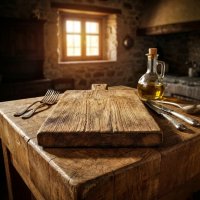
Pizza night is a beloved tradition in many homes, a time for delicious indulgence and shared joy. While the quality of your dough, sauce, and toppings undeniably sets the stage, the often-overlooked hero of a seamless pizza experience is the humble pizza cutting board. Far more than just a flat surface, a dedicated pizza board transforms the act of slicing and serving into an art, protecting your countertops and presenting your culinary creation with flair.
Why a Dedicated Pizza Cutting Board Makes All the Difference
You might wonder if a standard cutting board suffices. The truth is, a purpose-built pizza cutting board offers advantages a regular board simply can’t match. Designed with pizza in mind, these boards provide ample surface area, often featuring a circular shape that perfectly cradles your pie. This thoughtful design ensures your pizza remains stable for effortless slicing and provides an attractive platter for serving, keeping all those precious toppings in place.
Exploring the Best Materials for Your Pizza Cutting Board
The material of your pizza cutting board significantly impacts its performance, durability, and maintenance. Here’s a rundown of the most popular choices:
- Wood: Classic and aesthetically pleasing, wooden pizza boards are a favorite for their natural beauty and sturdy feel. Hardwoods like walnut, maple, acacia, and beech offer a robust surface that can withstand sharp pizza cutters without dulling them prematurely. Many enthusiasts appreciate wood for its traditional charm and its ability to double as a stylish serving platter. However, wooden boards require diligent care, including hand-washing, immediate drying, and regular oiling to prevent warping and cracking.
- Bamboo: An eco-friendly alternative, bamboo boards are celebrated for their strength, durability, and resistance to bacteria. They are often lightweight and easier to clean than traditional wood, requiring less intensive oiling. While bamboo is very hard and durable, some users note it can be slightly tougher on knife blades compared to softer hardwoods like walnut. Bamboo boards are an excellent choice for those seeking a sustainable and low-maintenance option that still offers a sophisticated look.
- Plastic: For practicality and ease of cleaning, plastic pizza cutting boards are a popular choice. They are typically affordable, lightweight, and most importantly, dishwasher-safe, making sanitation a breeze. The main drawback of plastic boards is their susceptibility to deep scratches over time, which can potentially harbor bacteria and compromise their surface integrity.
- Wood-Fiber/Composite: These modern cutting boards offer commercial-grade quality, blending wood fibers with resin to create a highly durable and non-porous surface. They are often dishwasher-safe and highly resistant to absorption, cuts, and stains, offering a long-lasting and hygienic option for busy kitchens.
Essential Features to Look For
|
Our Picks for the Best Cutting Board in 2026
As an Amazon Associate I earn from qualifying purchases.
|
||
| Num | Product | Action |
|---|---|---|
| 1 | GORILLA GRIP BPA-Free Reversible Kitchen Cutting Board Set of 3, US Designed, Nonporous, Juice Grooves Catch Liquid, Slip Resistant Border, Dishwasher Safe, Durable Food Chopping Boards, Almond Gray |

|
| 2 | GORILLA GRIP BPA-Free Reversible Kitchen Cutting Board Set of 3, US Designed, Nonporous, Juice Grooves Catch Liquid, Slip Resistant Border, Dishwasher Safe, Durable Large Food Chopping Boards, Black |
|
| 3 | Titanium Cutting Board for Kitchen, Cutting Board Double Sided Food Grade, Pure Titanium/PP, Easy to Clean Large Size 16”×11” |
|
| 4 | Kikcoin Extra Large Bamboo Cutting Boards, (Set of 3) Chopping Boards with Juice Groove Bamboo Wood Cutting Board Set Butcher Block for Kitchen, End Grain Serving Tray |
|
| 5 | GORILLA GRIP BPA-Free Reversible Kitchen Cutting Board Set of 3, US Designed, Nonporous, Juice Grooves Catch Liquid, Slip Resistant Border, Dishwasher Safe Large Food Chopping Boards, Black Aqua Gray |
|
| 6 | GORILLA GRIP BPA-Free Reversible Kitchen Cutting Board Set of 3, US Designed, Nonporous, Juice Grooves Catch Liquid, Slip Resistant Border, Dishwasher Safe, Durable Food Chopping Boards, Aqua Gray |
|
| 7 | GORILLA GRIP BPA-Free Reversible Kitchen Cutting Board Set of 3, US Designed, Nonporous, Juice Grooves Catch Liquid, Slip Resistant Border, Dishwasher Safe, Durable Food Chopping Boards, Black Gray |
|
| 8 | GORILLA GRIP BPA-Free Reversible Kitchen Cutting Board Set of 3, US Designed, Nonporous, Juice Grooves Catch Liquid, Slip Resistant Border, Dishwasher Safe, Durable Large Food Chopping Boards, Aqua |
|
| 9 | Bamboo Cutting Boards for Kitchen [Set of 3] Wood Cutting Board for Chopping Meat, Vegetables, Fruits, Cheese, Knife Friendly Serving Tray with Handles |
|
| 10 | Keechee Bamboo Cutting Board, Durable Wood Cutting Boards for Kitchen with Deep Juice Grooves & Built-in Handles, Ideal Charcuterie & Chopping for Meat, Vegetables and Fruits Ideal Kitchen Gifts |
|
Beyond material, several features enhance the functionality and longevity of your pizza cutting board:
- Size and Shape: While rectangular boards work, a round board is often preferred for pizza, mimicking its shape and making slicing more intuitive. Ensure the size accommodates your typical pizza diameter with a little extra room. A common size around 15 inches is suitable for most home pizzas.
- Handles: Integrated handles make transporting a hot pizza from oven to table safer and easier, adding a touch of convenience and presentation.
- Grooves or Trenches: A subtle groove around the edge of the board can effectively catch any stray crumbs or excess juices, keeping your countertop clean and tidy.
- Non-Slip Grips: Rubber feet or non-slip material on the underside of the board provide stability, preventing dangerous slips and slides while you’re cutting.
- Aesthetics: Since your pizza board often moves from kitchen to dining table, choose one that complements your kitchen decor and enhances your serving presentation.
Caring for Your Pizza Cutting Board
Proper care is crucial for prolonging the life of your pizza board, especially for natural materials.
- Immediate Cleaning: Always rinse your board immediately after use to prevent food particles from drying and sticking.
- Mild Soap and Water: Wash the board with warm water and a mild dish soap. Use a soft brush or sponge and avoid abrasive scrubbers that could damage the surface.
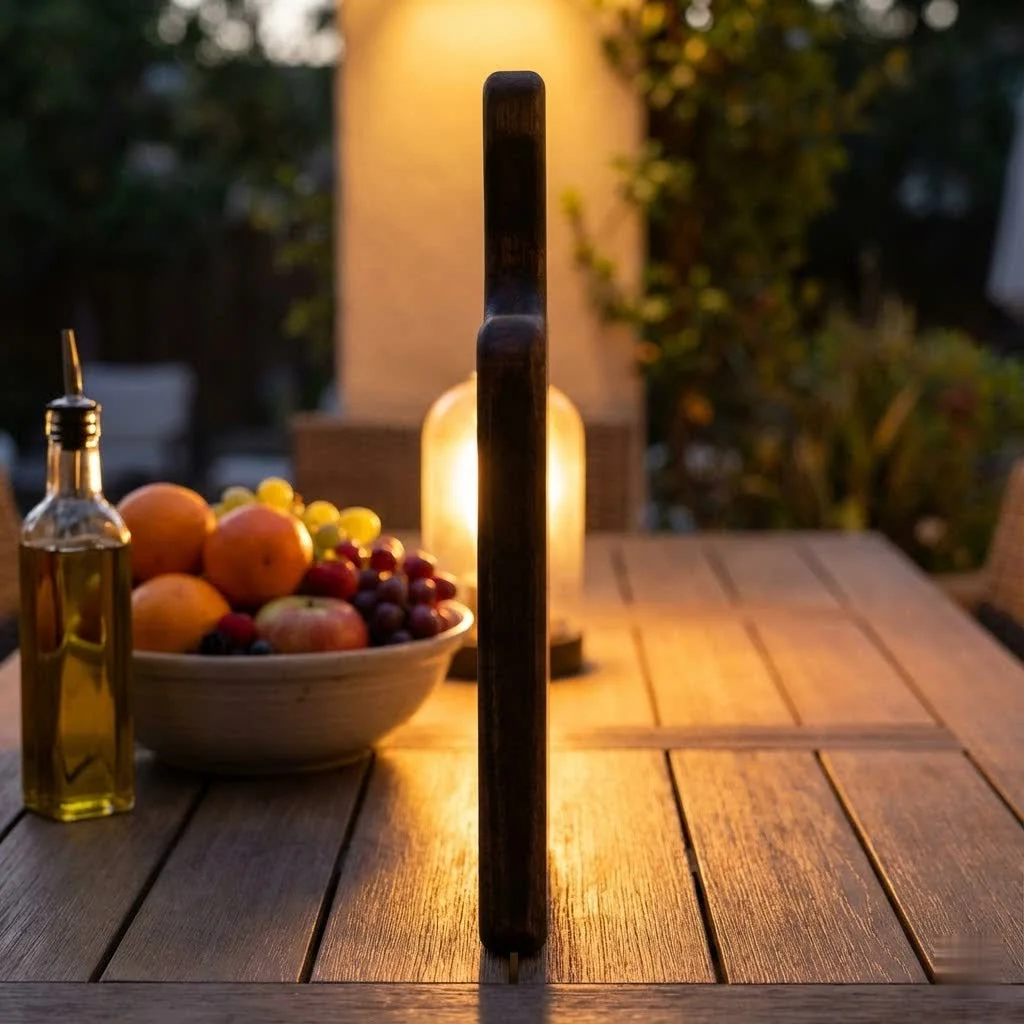
- Thorough Drying: This is paramount, especially for wood and bamboo. After washing, dry the board immediately with a clean towel and then stand it upright to air dry completely. Never soak wooden or bamboo boards in water or put them in a dishwasher, as this can lead to warping, cracking, or splitting. Plastic and wood-fiber boards are generally dishwasher safe.
- Stain and Odor Removal: For stubborn stains or lingering odors, a paste made from baking soda and water can be gently scrubbed onto the surface. Alternatively, rubbing half a lemon with coarse salt or spraying with white vinegar can naturally disinfect and deodorize.
- Oiling Wooden Boards: Periodically, wooden boards benefit from an application of food-grade mineral oil. This helps to hydrate the wood, preventing it from drying out and extending its lifespan.
Investing in the right pizza cutting board is a small step that yields big rewards, elevating your pizza-making and serving experience from ordinary to exceptional. Choose wisely, care for it well, and enjoy countless memorable pizza nights.
Cooking gear we tested in our own kitchens
Free PDF — preheat times measured on 10 popular air fryers.