In the world of culinary tools, a cutting board is far more than just a surface for prep work. It’s a foundational element of your kitchen, impacting everything from knife longevity to food hygiene and overall aesthetic. Among the myriad options, Teakhaus cutting boards have carved out a reputation for excellence, blending exquisite natural beauty with exceptional durability and a strong commitment to sustainability.
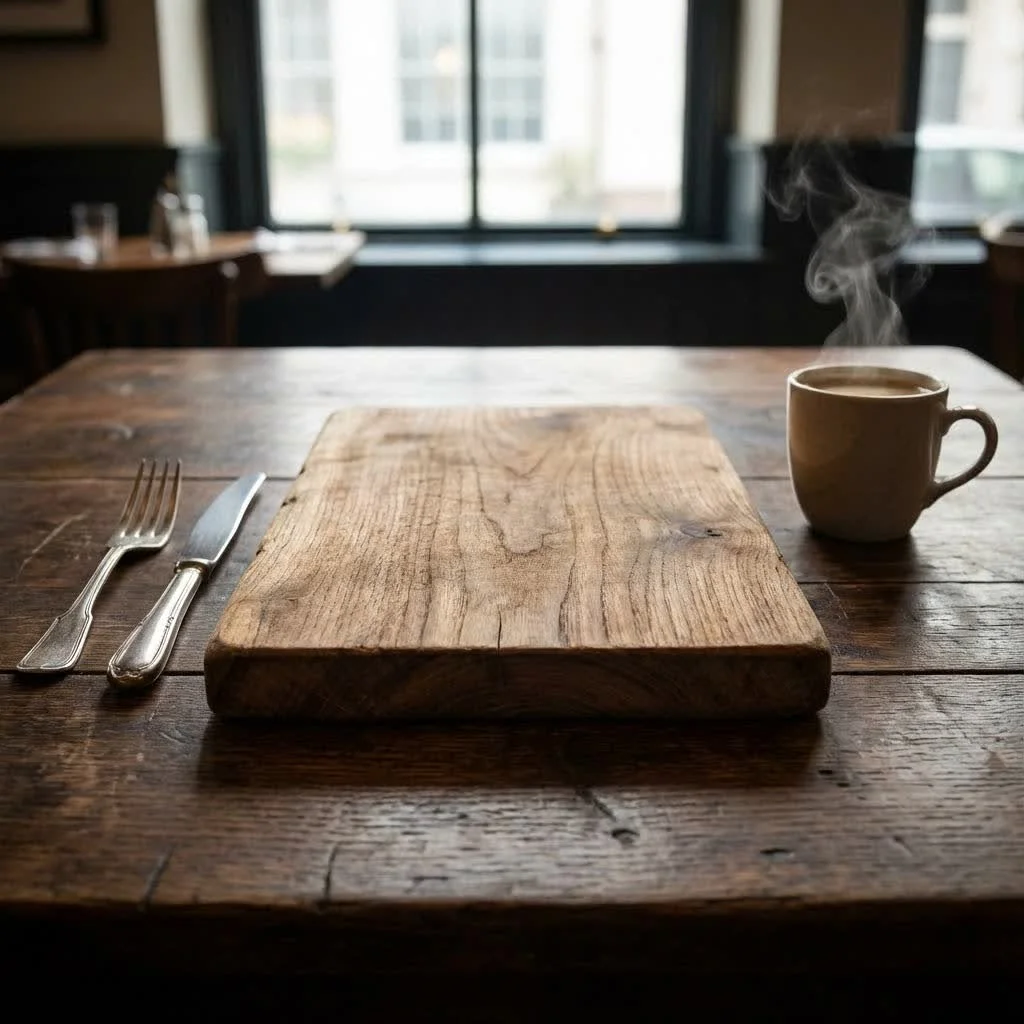
The Allure of Teak: A Premium Choice for Your Kitchen
Teakhaus boards stand apart primarily due to their choice of material: 100% sustainably grown teak wood. This tropical hardwood is renowned for its inherent qualities that make it ideal for kitchen use. Teak boasts a naturally high oil content, acting as a built-in moisture barrier that helps resist water absorption and prevents warping, cracking, or splitting over time. This intrinsic resilience contributes significantly to the board’s longevity, making it a wise investment for any home chef.
Beyond its durability, teak wood offers a luxurious cutting experience. Its medium hardness is perfectly balanced—it’s soft enough to cushion your knife blades, helping them stay sharper for longer, yet firm enough to provide a stable and reliable cutting surface. This knife-friendly characteristic not only protects your valuable cutlery but also ensures a smoother, more efficient chopping experience.
Superior Craftsmanship for Every Culinary Task
Teakhaus cutting boards are a testament to thoughtful design and superior craftsmanship. They are often available in two primary constructions:
- End-Grain: These boards feature wood fibers arranged perpendicularly to the cutting surface. This construction allows the knife blade to glide between the fibers, which then “heal” back, reducing visible knife marks and further preserving blade sharpness. End-grain boards are often prized for their self-healing properties and distinctive, elegant checkerboard patterns.
- Edge-Grain: In this common construction, wood fibers run horizontally, offering a robust and durable surface known for its resistance to water absorption.
Many Teakhaus models are also designed with practical features like integrated juice grooves, perfect for catching liquids when carving meats, and routed handle grooves, making even larger, heavier boards easy to lift and maneuver. Most boards are also reversible, offering twice the cutting surface and extending their lifespan.
A Commitment to Sustainability
|
Our Picks for the Best Cutting Board in 2026
As an Amazon Associate I earn from qualifying purchases.
|
||
| Num | Product | Action |
|---|---|---|
| 1 | GORILLA GRIP BPA-Free Reversible Kitchen Cutting Board Set of 3, US Designed, Nonporous, Juice Grooves Catch Liquid, Slip Resistant Border, Dishwasher Safe, Durable Large Food Chopping Boards, Black |

|
| 2 | Kikcoin Extra Large Bamboo Cutting Boards, (Set of 3) Chopping Boards with Juice Groove Bamboo Wood Cutting Board Set Butcher Block for Kitchen, End Grain Serving Tray |
|
| 3 | Bamboo Cutting Boards for Kitchen [Set of 3] Wood Cutting Board for Chopping Meat, Vegetables, Fruits, Cheese, Knife Friendly Serving Tray with Handles |
|
| 4 | GORILLA GRIP BPA-Free Reversible Kitchen Cutting Board Set of 3, US Designed, Nonporous, Juice Grooves Catch Liquid, Slip Resistant Border, Dishwasher Safe, Durable Food Chopping Boards, Aqua Gray |
|
| 5 | GORILLA GRIP BPA-Free Reversible Kitchen Cutting Board Set of 3, US Designed, Nonporous, Juice Grooves Catch Liquid, Slip Resistant Border, Dishwasher Safe Large Food Chopping Boards, Black Aqua Gray |
|
| 6 | GORILLA GRIP BPA-Free Reversible Kitchen Cutting Board Set of 3, US Designed, Nonporous, Juice Grooves Catch Liquid, Slip Resistant Border, Dishwasher Safe, Durable Food Chopping Boards, Black Gray |
|
| 7 | Keechee Bamboo Cutting Board, Durable Wood Cutting Boards for Kitchen with Deep Juice Grooves & Built-in Handles, Ideal Charcuterie & Chopping for Meat, Vegetables and Fruits Ideal Kitchen Gifts |
|
| 8 | Titanium Cutting Board for Kitchen, Cutting Board Double Sided Food Grade, Pure Titanium/PP, Easy to Clean Large Size 16”×11” |
|
| 9 | GORILLA GRIP BPA-Free Reversible Kitchen Cutting Board Set of 3, US Designed, Nonporous, Juice Grooves Catch Liquid, Slip Resistant Border, Dishwasher Safe, Durable Large Food Chopping Boards, Aqua |
|
| 10 | GORILLA GRIP BPA-Free Reversible Kitchen Cutting Board Set of 3, US Designed, Nonporous, Juice Grooves Catch Liquid, Slip Resistant Border, Dishwasher Safe, Durable Food Chopping Boards, Almond Gray |
|
For the environmentally conscious consumer, Teakhaus offers an appealing proposition. The brand is deeply committed to eco-friendly practices, sourcing its teak from FSC (Forest Stewardship Council) and Rainforest Alliance certified plantations. This ensures that the wood is harvested responsibly, promoting forest conservation and local community well-being. Furthermore, Teakhaus employs a zero-waste production process and uses environmentally friendly, non-toxic, water-based glues, underscoring their dedication to minimizing environmental impact. Even their packaging is 100% recycled and recyclable.
Enhancing Your Kitchen’s Aesthetic
Functionality aside, a Teakhaus cutting board is undeniably a statement piece. The warm, golden hues and unique grain patterns of teak wood add a touch of natural elegance to any kitchen, whether modern or traditional. Often described as “timeless masterpieces,” these boards are designed to be displayed, warming up your countertop and inspiring culinary creativity. Each board possesses a unique beauty, ensuring that no two are exactly alike.
Maintaining Your Teakhaus Board for Generations
To ensure your Teakhaus cutting board remains a cherished kitchen staple for years to come, proper care is essential.
- Washing: Always hand wash your board with hot, soapy water immediately after each use. Rinse thoroughly and dry it promptly with a kitchen towel, or allow it to air dry completely before storing. Never put your Teakhaus board in a dishwasher, as the high heat and prolonged moisture can cause warping, cracking, and damage to the wood. Avoid soaking it in water.
- Oiling: Teak’s natural oils keep it hydrated, but regular re-oiling is crucial, ideally at least once a month. Use a food-grade mineral oil or Teakhaus’s own conditioning oil, which often contains a blend of mineral oil, beeswax, and orange essential oil. Apply a generous amount, let it absorb for several hours or overnight, and then wipe off any excess. This process replenishes the wood’s moisture, preventing it from drying out and extending its life. Avoid using cooking oils like olive or canola, as they can become rancid over time.
- Addressing Marks and Stains: Minor knife marks are normal for any wooden cutting board and are part of its character. For deeper marks, a light sanding followed by re-oiling can help restore the surface. For odors or stains, a simple paste made from lemon, salt, and baking soda can be applied, left to dry, and then wiped clean before washing and oiling.
Is a Teakhaus Cutting Board Right for You?
If you value durability, knife protection, aesthetic appeal, and environmental responsibility, a Teakhaus cutting board is an outstanding choice. It’s an investment that pays dividends through its long lifespan, superior performance, and the sheer pleasure it brings to your daily cooking routine. Embrace the natural beauty and robust functionality of teak, and elevate your culinary space with a board designed to inspire and endure.
Cooking gear we tested in our own kitchens
Free PDF — preheat times measured on 10 popular air fryers.