In the world of kitchen essentials, a reliable cutting board is paramount. Among the various types available, the edge grain cutting board stands out as a popular and practical choice for home cooks, balancing functionality, aesthetics, and affordability. Understanding its unique construction and characteristics can help you make an informed decision for your culinary needs.
What is an Edge Grain Cutting Board?
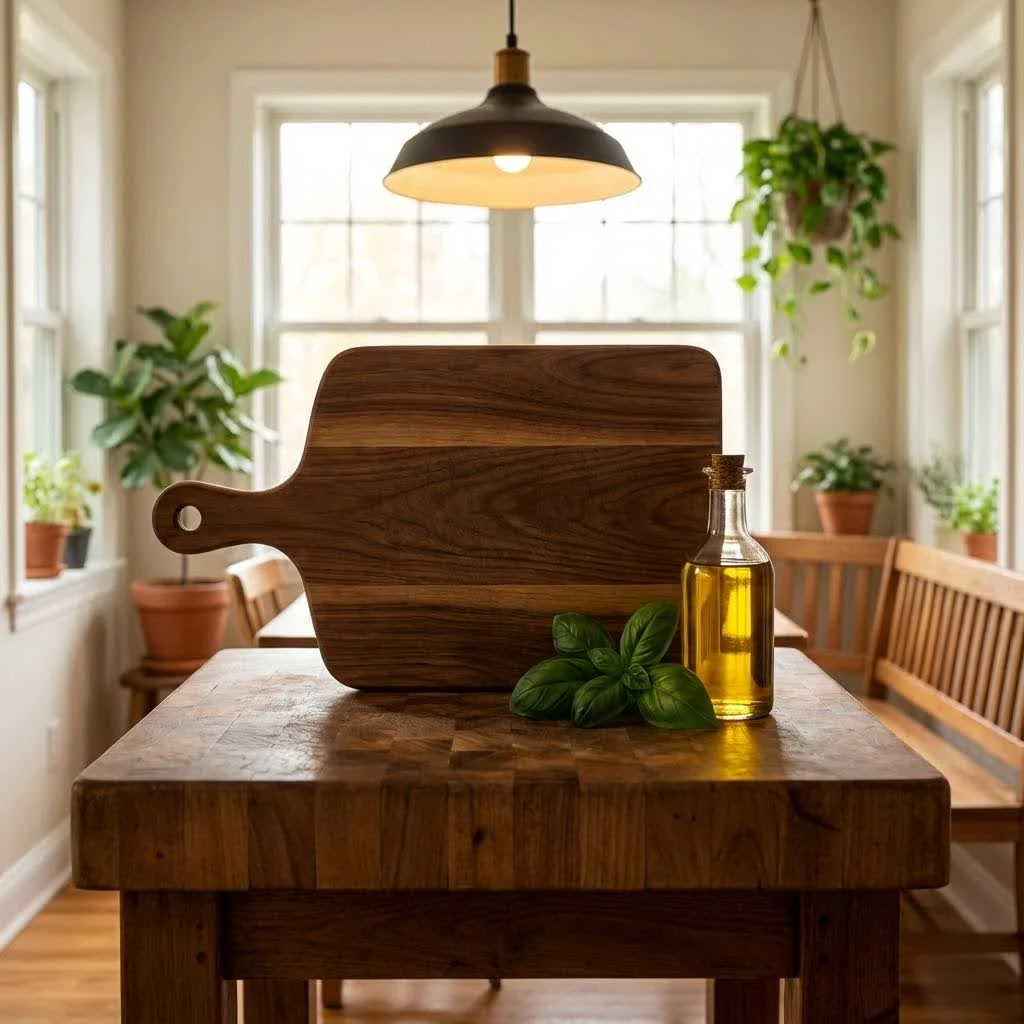
An edge grain cutting board is crafted by taking long strips of wood and gluing them together side-by-side, with the “edges” of the wood planks forming the board’s top cutting surface. This construction method results in a distinctive linear, striped pattern that showcases the natural beauty of the wood’s grain. Often referred to as “side grain” or “long grain” boards, they are a common sight in kitchens worldwide due to their straightforward design and reliable performance. For browse all kitchenware articles on this site.
Edge Grain vs. End Grain: Understanding the Differences
The primary distinction between edge grain and its counterpart, end grain, lies in the orientation of the wood fibers, which significantly impacts their performance and properties.
Advantages of Edge Grain Cutting Boards
- Affordability: Edge grain boards are generally more economical to produce than end grain boards, as their construction involves less labor and material. This makes them a more budget-friendly option without compromising quality compared to synthetic alternatives.
- Lighter Weight: Typically thinner and lighter, edge grain boards are easier to handle, move around the kitchen, and store, which is a significant advantage for daily use.
- Lower Maintenance: While all wooden cutting boards require care, edge grain boards are often considered less “thirsty” than end grain, meaning they may require less frequent oiling to stay conditioned. Their grain orientation also makes them more resistant to moisture absorption and staining.
- Durability: Edge grain boards offer excellent durability, lasting years longer than plastic or bamboo options, and providing a stable surface for various chopping tasks.
- Aesthetic Appeal: The linear, flowing patterns of edge grain boards offer a clean, sleek look that can complement many kitchen designs. They can be crafted from a single wood type or a combination of contrasting woods to create unique visual effects.
Considerations for Edge Grain Cutting Boards
- Knife Friendliness: When you cut on an edge grain board, your knife blade slices directly across the wood fibers. This can lead to slightly more wear on your knife’s edge over time compared to an end grain board, where the blade goes between the fibers.
- Visible Knife Marks: Due to the horizontal fiber orientation, edge grain boards are more susceptible to showing visible knife marks and scratches over frequent use. While these can be minimized with proper care and occasional sanding, they will appear sooner than on end grain boards.
- Potential for Warping: Though generally durable, edge grain boards might be slightly more prone to warping than end grain boards if not properly maintained, primarily due to uneven moisture exposure.
Choosing the Right Wood for Your Edge Grain Board
|
Our Picks for the Best Cutting Board in 2026
As an Amazon Associate I earn from qualifying purchases.
|
||
| Num | Product | Action |
|---|---|---|
| 1 | GORILLA GRIP BPA-Free Reversible Kitchen Cutting Board Set of 3, US Designed, Nonporous, Juice Grooves Catch Liquid, Slip Resistant Border, Dishwasher Safe, Durable Food Chopping Boards, Almond Gray |

|
| 2 | Keechee Bamboo Cutting Board, Durable Wood Cutting Boards for Kitchen with Deep Juice Grooves & Built-in Handles, Ideal Charcuterie & Chopping for Meat, Vegetables and Fruits Ideal Kitchen Gifts |
|
| 3 | GORILLA GRIP BPA-Free Reversible Kitchen Cutting Board Set of 3, US Designed, Nonporous, Juice Grooves Catch Liquid, Slip Resistant Border, Dishwasher Safe, Durable Food Chopping Boards, Aqua Gray |
|
| 4 | Bamboo Cutting Boards for Kitchen [Set of 3] Wood Cutting Board for Chopping Meat, Vegetables, Fruits, Cheese, Knife Friendly Serving Tray with Handles |
|
| 5 | GORILLA GRIP BPA-Free Reversible Kitchen Cutting Board Set of 3, US Designed, Nonporous, Juice Grooves Catch Liquid, Slip Resistant Border, Dishwasher Safe, Durable Large Food Chopping Boards, Aqua |
|
| 6 | GORILLA GRIP BPA-Free Reversible Kitchen Cutting Board Set of 3, US Designed, Nonporous, Juice Grooves Catch Liquid, Slip Resistant Border, Dishwasher Safe, Durable Large Food Chopping Boards, Black |
|
| 7 | GORILLA GRIP BPA-Free Reversible Kitchen Cutting Board Set of 3, US Designed, Nonporous, Juice Grooves Catch Liquid, Slip Resistant Border, Dishwasher Safe, Durable Food Chopping Boards, Black Gray |
|
| 8 | Titanium Cutting Board for Kitchen, Cutting Board Double Sided Food Grade, Pure Titanium/PP, Easy to Clean Large Size 16”×11” |
|
| 9 | Kikcoin Extra Large Bamboo Cutting Boards, (Set of 3) Chopping Boards with Juice Groove Bamboo Wood Cutting Board Set Butcher Block for Kitchen, End Grain Serving Tray |
|
| 10 | GORILLA GRIP BPA-Free Reversible Kitchen Cutting Board Set of 3, US Designed, Nonporous, Juice Grooves Catch Liquid, Slip Resistant Border, Dishwasher Safe Large Food Chopping Boards, Black Aqua Gray |
|
The type of wood used is crucial for the performance and longevity of any cutting board. For edge grain construction, hardwoods with a dense, closed-grain structure are ideal.
- Hard Maple: Often considered the gold standard for cutting boards, hard maple boasts a dense grain, excellent durability, and a neutral color. Its hardness rating (around 1450 on the Janka scale) provides a surface that is both resilient to gouges and relatively gentle on knife edges. Maple’s tight pores also make it naturally resistant to bacteria absorption.
- Walnut: A popular choice for its rich, darker tones and elegant appearance, walnut is strong but slightly softer than maple (Janka rating around 1010), making it exceptionally kind to knives. It also resists moisture and bacterial growth effectively.
- Cherry: Offering warm, reddish tones that deepen beautifully over time, cherry wood is fine-grained and durable (Janka rating around 950). It’s softer than maple but still maintains knife sharpness well and develops a lovely patina with age.
It’s generally best to avoid softer woods or materials like bamboo, teak, or acacia, as they contain higher amounts of silica which can prematurely dull your knives.
Caring for Your Edge Grain Cutting Board
Proper care is essential to ensure your edge grain cutting board remains hygienic, beautiful, and functional for years to come.
- Cleaning: Always hand wash your cutting board immediately after use with warm water and a mild dish soap. Use a sponge or dishcloth to scrub away food particles, paying attention to all surfaces, including the edges and bottom.
- Drying: After washing, rinse thoroughly and dry the board immediately with a lint-free towel. Crucially, store the board on its edge to allow air to circulate evenly around all surfaces as it finishes drying. This prevents moisture from accumulating on one side, which can lead to warping.
- Oiling and Conditioning: Regularly apply food-grade mineral oil to your board—ideally every 2-4 weeks, or whenever the wood appears dry. Mineral oil penetrates the wood, preventing it from drying out, cracking, and becoming susceptible to moisture. Apply generously to all sides, allowing it to soak in before wiping off any excess. For added protection, a mineral oil and beeswax paste can be used to seal the surface. Never use cooking oils (like olive or canola) as they can go rancid and leave an unpleasant odor or taste.
- What to Avoid:
- Dishwashers: The intense heat and prolonged water exposure in a dishwasher will severely damage and warp wooden cutting boards.
- Soaking: Do not submerge your cutting board in water or leave it soaking in the sink.
- Extreme Heat: Keep your board away from direct heat sources, such as stovetops, which can cause drying and cracking.
- Harsh Abrasives: Avoid using steel wool or harsh scrubbing pads, which can scratch the wood surface.
- Serrated Knives/Cleavers: While edge grain boards are durable, frequent use of serrated knives can create more pronounced scarring. Cleavers can also cause significant damage.
- Addressing Wear: Over time, knife marks are inevitable. If your board develops visible cuts or feels rough due to “grain raising” from moisture, it can be gently sanded smooth with fine-grit sandpaper (e.g., 220 grit), followed by a fresh application of mineral oil. For enhanced sanitation, especially after preparing raw meats, a wipe-down with full-strength white vinegar or hydrogen peroxide can act as a disinfectant.
Is an Edge Grain Cutting Board Right for You?
An edge grain cutting board is an excellent choice for the everyday home cook who values a balance of aesthetic appeal, practical durability, and easier maintenance, all at a more accessible price point. While end grain boards are often praised for being exceptionally gentle on knives, an edge grain board made from quality hardwood, and cared for properly, will provide a reliable, beautiful, and long-lasting surface for all your culinary adventures.
Cooking gear we tested in our own kitchens
Free PDF — preheat times measured on 10 popular air fryers.