In the heart of every functional kitchen lies a reliable cutting board, the unsung hero of meal preparation. While options abound, bamboo cutting boards have steadily risen in popularity, offering a compelling blend of practicality, aesthetics, and sustainability. For home cooks seeking a responsible yet robust tool, understanding the unique attributes of bamboo is key to elevating your culinary experience.
The Rise of Bamboo: A Sustainable Choice for Modern Kitchens
Bamboo stands out as a remarkable material, fundamentally a fast-growing grass rather than traditional wood. This botanical distinction underpins many of its benefits, making it an increasingly favored choice for kitchenware.
Eco-Friendly and Sustainable
One of bamboo’s most significant advantages is its impressive renewability. Unlike hardwood trees that can take decades to mature, bamboo reaches full growth in just 3 to 5 years. It thrives with minimal water and no need for fertilizers or pesticides, even contributing to soil health. Opting for bamboo helps reduce reliance on slower-growing timber and offers a planet-friendlier alternative to plastic.
Durability and Hardness
Despite its light weight, bamboo boasts a formidable hardness, comparable to or even exceeding many hardwoods. Its dense structure provides a resilient surface that withstands daily chopping and slicing, resisting scratches and maintaining its integrity over time.
Natural Hygiene
Research indicates that bamboo surfaces generally harbor fewer bacteria than plastic, especially as knife grooves deepen in plastic over time, creating breeding grounds for microbes. Bamboo’s naturally lower porosity and inherent antimicrobial properties contribute to a cleaner, safer food preparation surface, provided it is cared for properly.
Aesthetic Appeal
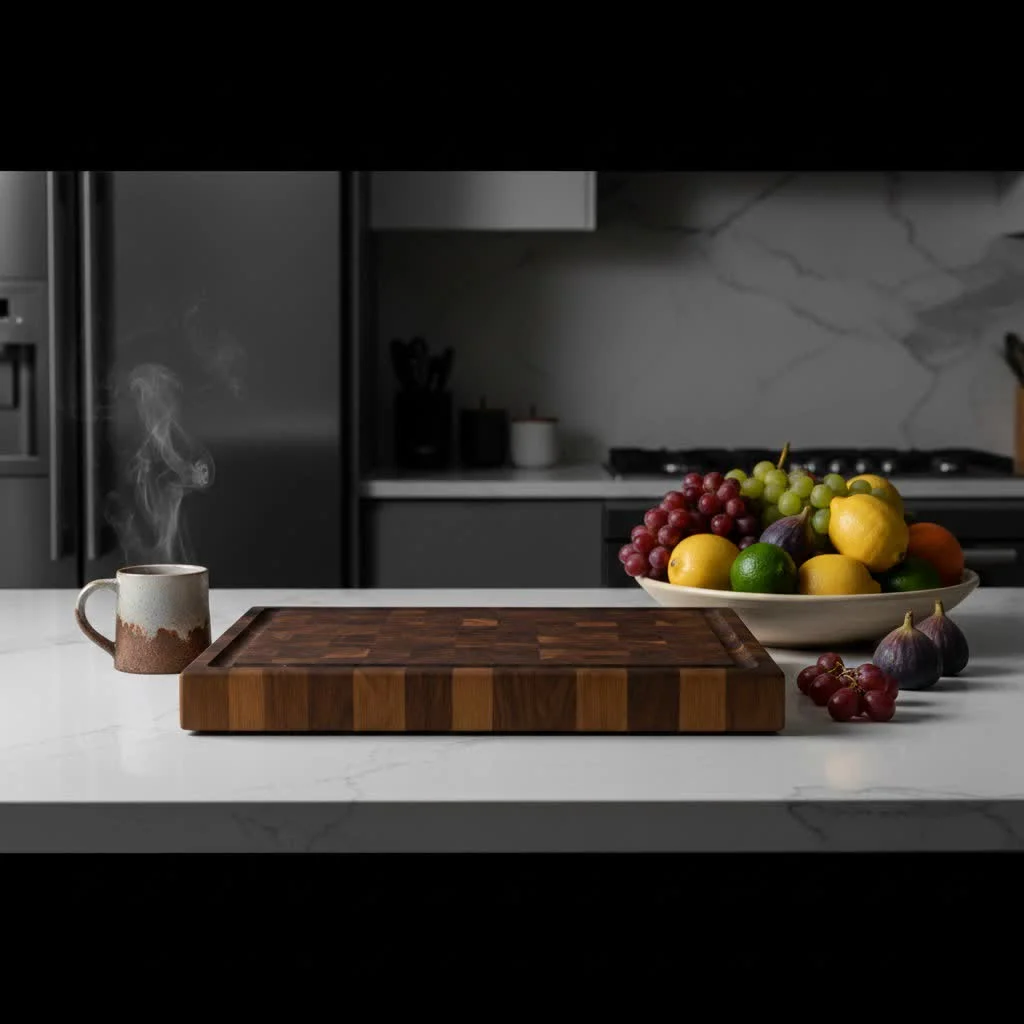
With its clean lines and warm, natural golden finish, a bamboo cutting board adds a touch of modern elegance to any kitchen decor. Its uniform grain makes it not just a functional tool, but also a beautiful serving platter for cheeses, bread, or charcuterie.
Lightweight and Practical
Bamboo cutting boards are typically 30-40% lighter than their hardwood counterparts, making them easier to handle, move, and store. This combination of lightness and strength is particularly beneficial for everyday tasks. Many designs also incorporate practical features like juice grooves to keep countertops tidy during food prep.
Affordable Quality
Generally, bamboo cutting boards offer a more budget-friendly entry point compared to premium hardwoods like maple or walnut, providing excellent value without compromising on functionality or aesthetics.
Understanding the Nuances: Potential Downsides
While bamboo cutting boards offer many advantages, it’s also important to be aware of their specific characteristics to ensure they meet your kitchen needs.
Knife Edge Impact
|
Our Picks for the Best Cutting Board in 2026
As an Amazon Associate I earn from qualifying purchases.
|
||
| Num | Product | Action |
|---|---|---|
| 1 | GORILLA GRIP BPA-Free Reversible Kitchen Cutting Board Set of 3, US Designed, Nonporous, Juice Grooves Catch Liquid, Slip Resistant Border, Dishwasher Safe Large Food Chopping Boards, Black Aqua Gray |

|
| 2 | Titanium Cutting Board for Kitchen, Cutting Board Double Sided Food Grade, Pure Titanium/PP, Easy to Clean Large Size 16”×11” |
|
| 3 | GORILLA GRIP BPA-Free Reversible Kitchen Cutting Board Set of 3, US Designed, Nonporous, Juice Grooves Catch Liquid, Slip Resistant Border, Dishwasher Safe, Durable Large Food Chopping Boards, Aqua |
|
| 4 | GORILLA GRIP BPA-Free Reversible Kitchen Cutting Board Set of 3, US Designed, Nonporous, Juice Grooves Catch Liquid, Slip Resistant Border, Dishwasher Safe, Durable Large Food Chopping Boards, Black |
|
| 5 | Bamboo Cutting Boards for Kitchen [Set of 3] Wood Cutting Board for Chopping Meat, Vegetables, Fruits, Cheese, Knife Friendly Serving Tray with Handles |
|
| 6 | GORILLA GRIP BPA-Free Reversible Kitchen Cutting Board Set of 3, US Designed, Nonporous, Juice Grooves Catch Liquid, Slip Resistant Border, Dishwasher Safe, Durable Food Chopping Boards, Aqua Gray |
|
| 7 | GORILLA GRIP BPA-Free Reversible Kitchen Cutting Board Set of 3, US Designed, Nonporous, Juice Grooves Catch Liquid, Slip Resistant Border, Dishwasher Safe, Durable Food Chopping Boards, Black Gray |
|
| 8 | Kikcoin Extra Large Bamboo Cutting Boards, (Set of 3) Chopping Boards with Juice Groove Bamboo Wood Cutting Board Set Butcher Block for Kitchen, End Grain Serving Tray |
|
| 9 | GORILLA GRIP BPA-Free Reversible Kitchen Cutting Board Set of 3, US Designed, Nonporous, Juice Grooves Catch Liquid, Slip Resistant Border, Dishwasher Safe, Durable Food Chopping Boards, Almond Gray |
|
| 10 | Keechee Bamboo Cutting Board, Durable Wood Cutting Boards for Kitchen with Deep Juice Grooves & Built-in Handles, Ideal Charcuterie & Chopping for Meat, Vegetables and Fruits Ideal Kitchen Gifts |
|
Bamboo’s inherent hardness, attributed to natural silica content, can be tougher on knife edges than softer hardwoods like maple or walnut. While still gentler than glass or stone boards, some professional chefs and knife enthusiasts might find their knives dull slightly faster on bamboo compared to very soft wood surfaces. Regular honing can help mitigate this.
Not Dishwasher-Safe
Traditional bamboo cutting boards are not designed for dishwashers. The high heat, harsh detergents, and prolonged moisture exposure in a dishwasher can weaken the adhesives used in their construction, leading to warping, cracking, or splitting. Hand washing is crucial for preserving your bamboo board. However, newer innovations, such as specific 3-layer bamboo technologies, are emerging that offer increased durability and even dishwasher compatibility.
Maintenance Requirements
To maintain its beauty and longevity, bamboo requires consistent care. Without regular oiling, it can dry out, leading to cracks or warping. Furthermore, the quality of adhesives used in construction can vary; choosing certified, formaldehyde-free products ensures safety and durability.
Mastering Bamboo Cutting Board Care for Longevity
Proper maintenance is simple but essential for your bamboo cutting board to last for years.
Immediate Hand Washing
Always hand wash your bamboo board immediately after each use. Use warm water and a mild dish soap. Avoid harsh scrubbers like steel wool, which can scratch the surface.
Thorough Drying
Never let your bamboo board soak in water, as this is a primary cause of warping and cracking. After washing, rinse it well and wipe it dry with a towel. For complete air circulation, stand the board upright or place it on a drying rack for several hours or overnight before storing.
Regular Oiling
To prevent drying and cracking, and to maintain its rich appearance, oil your bamboo board regularly. Use a food-grade mineral oil, or alternatives like beeswax or coconut oil, applying it monthly or every two to three months for less frequent use. Avoid common cooking oils (like olive or vegetable oil), as they can turn rancid and cause unpleasant odors.
Deep Cleaning and Disinfection
For sanitization, especially after cutting raw meat or strong-smelling foods, wipe the board with pure white vinegar after cleaning with soap and water, then rinse thoroughly. For stubborn stains or odors, a paste of coarse salt and lemon juice can be gently scrubbed into the surface, followed by a rinse. In cases requiring stronger disinfection, a diluted bleach solution (one teaspoon bleach to two quarts of water) can be used, ensuring a thorough rinse afterward.
Refinishing
If your bamboo board develops minor knife marks or scratches over time, it can be refinished. After cleaning and drying, use fine-grit sandpaper to gently smooth the surface, then re-oil to restore its finish.
Bamboo vs. Other Materials: Making the Right Choice
When compared to other common cutting board materials:
- Plastic: Bamboo offers a non-toxic alternative, addressing concerns about microplastics and the dulling effect plastic can have on knives.
- Traditional Wood: Bamboo matches or exceeds many hardwoods in durability and hygiene. Its rapid growth cycle also makes it a more sustainable choice compared to slow-growing hardwood trees.
Investing in Your Kitchen’s Future
A bamboo cutting board is more than just a kitchen tool; it’s a testament to sustainable living and practical design. By understanding its unique properties and committing to a simple care routine, you can enjoy a durable, hygienic, and aesthetically pleasing cutting surface for many years to come, making it a valuable addition to any home kitchen.
Cooking gear we tested in our own kitchens
Free PDF — preheat times measured on 10 popular air fryers.