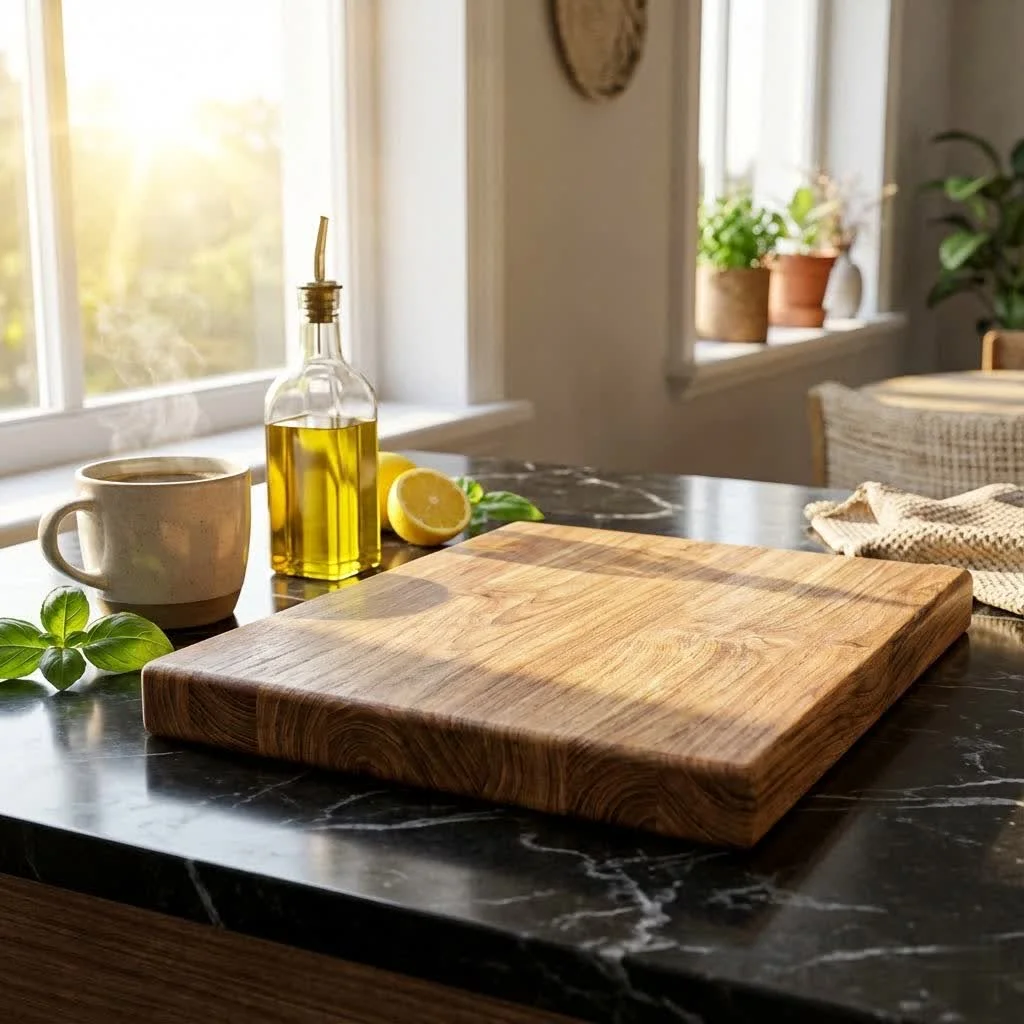
In the heart of every kitchen lies an essential tool: the cutting board. While countless options vie for attention, the solid maple cutting board stands as a testament to durability, hygiene, and timeless beauty. Renowned by professional chefs and home cooks alike, maple offers an unparalleled blend of practical benefits and elegant aesthetics, making it a cornerstone for culinary precision and food safety.
The Unrivaled Benefits of Solid Maple
Opting for a solid maple cutting board is an investment in quality that pays dividends through years of reliable service. Its distinguished characteristics set it apart from other materials. For more kitchenware guides on this site.
Exceptional Durability and Longevity
Hard maple, often referred to as sugar or rock maple, boasts impressive hardness and strength. This dense wood naturally resists cuts, scratches, and dents, maintaining its integrity even with heavy daily use. With appropriate care, a solid maple cutting board can last for decades, becoming a cherished part of your kitchen arsenal. Its inherent stability also helps prevent warping and splitting, common issues with lesser quality boards.
A Knife-Friendly Surface
For any cook, preserving the sharpness of knives is paramount. Maple strikes an ideal balance, being hard enough to withstand aggressive chopping yet resilient enough to be gentle on blade edges. The wood’s density creates a supportive cutting surface that helps maintain the sharpness of your knives, reducing the frequency of sharpening and extending their lifespan.
Superior Hygiene and Food Safety
One of maple’s most significant advantages is its contribution to a sanitary kitchen environment. Its tight, closed-grain structure actively prevents moisture and bacteria from penetrating the surface, making it naturally antibacterial. This quality, combined with its smooth surface, ensures easy cleaning and helps inhibit bacterial growth, offering a safer option for food preparation compared to more porous materials like plastic.
Timeless Aesthetic Appeal
Beyond its functional prowess, a solid maple cutting board brings a touch of understated elegance to any kitchen. Its light, natural tone and subtle, uniform grain patterns complement a wide range of decor styles, from rustic farmhouse to sleek modern. It’s not just a tool; it’s a beautiful accent that enhances your culinary space.
A Sustainable Choice
Maple is a widely available and sustainably harvested hardwood, particularly in North America. Many manufacturers prioritize eco-friendly practices in sourcing and crafting these boards, making them an environmentally conscious choice for discerning consumers.
Maple Versus the Alternatives
When comparing solid maple to other cutting board materials, its advantages become even clearer.
While other hardwoods like walnut and cherry are popular, maple often surpasses them in hardness, providing slightly greater resistance to knife marks and wear. Walnut, with its darker hue and “self-healing” properties for shallow cuts, offers a different aesthetic, but hard maple generally boasts a higher Janka hardness rating. Softer woods or materials like bamboo and acacia, while sometimes more affordable, contain higher silica content which can prematurely dull knives.
In contrast to plastic boards, maple offers superior hygiene. Plastic develops deep grooves over time that can harbor bacteria and are difficult to clean thoroughly. Maple’s natural antibacterial qualities and self-healing nature make it a more sanitary, durable, and sustainable option. Furthermore, many high-quality maple cutting boards are constructed with an “end-grain” pattern, where wood fibers face upwards, creating an even more resilient, knife-friendly, and self-healing surface than traditional “edge-grain” boards.
Essential Care for Your Maple Cutting Board
To ensure your solid maple cutting board remains a hygienic, beautiful, and long-lasting kitchen companion, proper care is crucial.
Daily Cleaning Routine
|
Our Picks for the Best Cutting Board in 2026
As an Amazon Associate I earn from qualifying purchases.
|
||
| Num | Product | Action |
|---|---|---|
| 1 | GORILLA GRIP BPA-Free Reversible Kitchen Cutting Board Set of 3, US Designed, Nonporous, Juice Grooves Catch Liquid, Slip Resistant Border, Dishwasher Safe, Durable Large Food Chopping Boards, Black |

|
| 2 | GORILLA GRIP BPA-Free Reversible Kitchen Cutting Board Set of 3, US Designed, Nonporous, Juice Grooves Catch Liquid, Slip Resistant Border, Dishwasher Safe, Durable Food Chopping Boards, Black Gray |
|
| 3 | GORILLA GRIP BPA-Free Reversible Kitchen Cutting Board Set of 3, US Designed, Nonporous, Juice Grooves Catch Liquid, Slip Resistant Border, Dishwasher Safe, Durable Large Food Chopping Boards, Aqua |
|
| 4 | Bamboo Cutting Boards for Kitchen [Set of 3] Wood Cutting Board for Chopping Meat, Vegetables, Fruits, Cheese, Knife Friendly Serving Tray with Handles |
|
| 5 | GORILLA GRIP BPA-Free Reversible Kitchen Cutting Board Set of 3, US Designed, Nonporous, Juice Grooves Catch Liquid, Slip Resistant Border, Dishwasher Safe, Durable Food Chopping Boards, Almond Gray |
|
| 6 | Kikcoin Extra Large Bamboo Cutting Boards, (Set of 3) Chopping Boards with Juice Groove Bamboo Wood Cutting Board Set Butcher Block for Kitchen, End Grain Serving Tray |
|
| 7 | GORILLA GRIP BPA-Free Reversible Kitchen Cutting Board Set of 3, US Designed, Nonporous, Juice Grooves Catch Liquid, Slip Resistant Border, Dishwasher Safe, Durable Food Chopping Boards, Aqua Gray |
|
| 8 | Keechee Bamboo Cutting Board, Durable Wood Cutting Boards for Kitchen with Deep Juice Grooves & Built-in Handles, Ideal Charcuterie & Chopping for Meat, Vegetables and Fruits Ideal Kitchen Gifts |
|
| 9 | GORILLA GRIP BPA-Free Reversible Kitchen Cutting Board Set of 3, US Designed, Nonporous, Juice Grooves Catch Liquid, Slip Resistant Border, Dishwasher Safe Large Food Chopping Boards, Black Aqua Gray |
|
| 10 | Titanium Cutting Board for Kitchen, Cutting Board Double Sided Food Grade, Pure Titanium/PP, Easy to Clean Large Size 16”×11” |
|
After each use, clean your board immediately with warm water and a mild dish soap. Scrape off any stuck food particles. Rinse thoroughly and, most importantly, dry it immediately with a clean towel. Allow it to air dry standing on its edge or on a raised rack to ensure airflow on all sides, which prevents moisture pooling and potential warping.
The Importance of Oiling and Conditioning
Regular oiling and conditioning are vital for protecting the wood, preventing it from drying out, and maintaining its natural beauty. Apply food-grade mineral oil generously, allowing it to soak into the wood fibers for several hours or even overnight. Afterwards, buff off any excess. Following with a cutting board butter or cream helps seal in the moisture and provides an additional protective barrier against stains and liquids. A general guideline is to oil weekly for the first month, then monthly or whenever the board appears dry to the touch.
What to Absolutely Avoid
To preserve your maple cutting board, steer clear of certain practices:
- Dishwashers: The intense heat and prolonged water exposure in a dishwasher will cause the wood to warp, crack, and splinter, often voiding warranties.
- Soaking: Never immerse your cutting board in water for extended periods.
- Harsh Chemicals: Avoid using hydrogen peroxide, baking soda, or bleach, as these can damage and discolor the wood fibers. For sanitizing, a vinegar and water solution can be used.
- Serrated Knives and Cleavers: While maple is durable, serrated knives can scar the surface, and cleavers can cause deep damage, especially on end-grain boards.
- Storing Flat: Storing a wet board flat can trap moisture and lead to warping.
Handling Stains and Odors
Maple boards can sometimes show stains from intensely colored foods like beets or berries. Often, these stains will dissipate over time. A rub with lemon juice and kosher salt can help. For persistent odors from garlic or onions, wiping the affected area with a raw potato or apple can be effective.
Investing in Quality
A solid maple cutting board is more than just a kitchen tool; it’s an investment in your culinary experience and kitchen aesthetic. Its exceptional durability, knife-friendly surface, superior hygiene, and timeless appeal make it an indispensable asset for any home chef. With proper care, your solid maple cutting board will serve you faithfully for generations, a beautiful and reliable foundation for countless meals to come.
Cooking gear we tested in our own kitchens
Free PDF — preheat times measured on 10 popular air fryers.