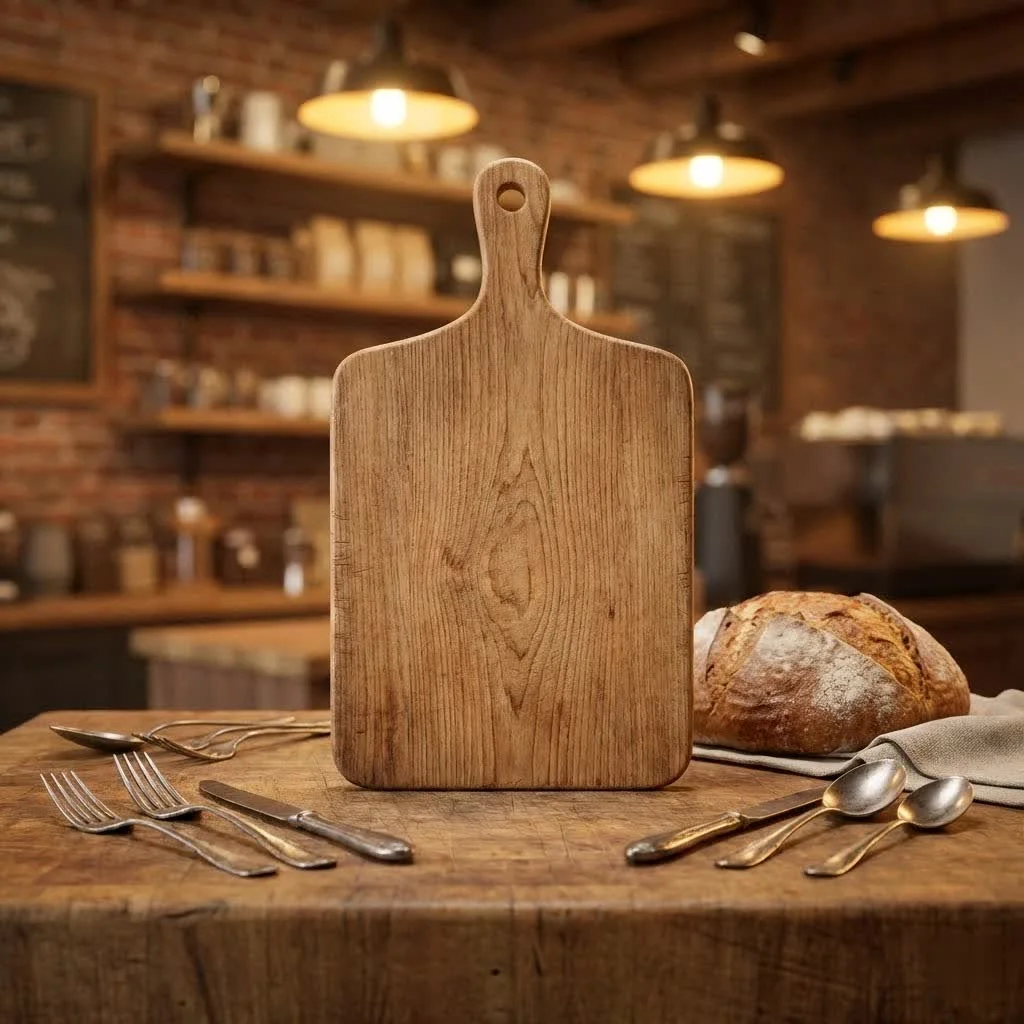
Cutting board feet significantly enhance kitchen safety and hygiene by elevating the board, preventing it from sliding, and promoting airflow. These small attachments transform a basic cutting surface into a more stable, sanitary, and user-friendly kitchen essential, reducing the risk of accidents and protecting countertops from moisture and scratches.
Why Your Cutting Board Needs Feet: Key Benefits
Integrating feet into your cutting board setup offers a multitude of advantages that impact safety, longevity, and overall kitchen experience. For browse all kitchenware articles on this site.
Enhanced Stability and Safety
The primary function of cutting board feet is to provide superior grip and prevent your board from sliding on the countertop. When using sharp knives, a stable surface is paramount to prevent accidents and ensure precise cuts. Rubber or silicone feet act as anchors, keeping the board firmly in place even during vigorous chopping or slicing, offering a significant safety upgrade.
Protecting Your Countertops
Flat cutting boards can often trap moisture underneath, leading to water stains, mold growth, or even scratches on your precious countertops from trapped debris. Feet create a vital air gap, lifting the board off the surface. This separation shields your counters from moisture damage and abrasive contact, preserving their pristine condition.
Promoting Hygiene and Preventing Warping
The airflow created by elevating the cutting board is crucial for its health and hygiene. This allows both the top and bottom surfaces to dry thoroughly after washing, preventing moisture from becoming trapped and fostering bacterial growth. For wooden boards, this constant air circulation is particularly important, as it helps to prevent warping and cracking by ensuring even drying.
Improved Ergonomics and Handling
A slightly elevated board is often easier to pick up and maneuver, especially when transferring chopped ingredients into pots or pans. This small lift improves ergonomics, reducing strain and making your kitchen tasks more efficient and comfortable.
Choosing the Right Feet: Materials and Types
The effectiveness and longevity of cutting board feet depend largely on their material and attachment method.
Rubber: The Most Popular Choice
Rubber feet are widely favored for their exceptional non-slip properties, excellent shock absorption, and resistance to cracking. They provide a strong, reliable grip on various countertop surfaces, making them a go-to for most home cooks and professionals.
Silicone: For Flexibility and Heat Resistance
Silicone feet offer similar non-slip benefits to rubber, with added advantages of flexibility and heat resistance. This makes them ideal for boards that might be exposed to higher temperatures or require a softer touch. Food-grade silicone options also ensure maximum safety in the kitchen.
Plastic: Lightweight and Customizable
|
Our Picks for the Best Cutting Board in 2026
As an Amazon Associate I earn from qualifying purchases.
|
||
| Num | Product | Action |
|---|---|---|
| 1 | Bamboo Cutting Boards for Kitchen [Set of 3] Wood Cutting Board for Chopping Meat, Vegetables, Fruits, Cheese, Knife Friendly Serving Tray with Handles |
![Check Bamboo Cutting Boards for Kitchen [Set of 3] Wood Cutting Board for Chopping Meat, Vegetables, Fruits, Cheese, Knife Friendly Serving Tray with Handles on Amazon](https://bmpav.com/wp-content/plugins/amazon-tables/assets/images/buy.png)
|
| 2 | GORILLA GRIP BPA-Free Reversible Kitchen Cutting Board Set of 3, US Designed, Nonporous, Juice Grooves Catch Liquid, Slip Resistant Border, Dishwasher Safe, Durable Food Chopping Boards, Aqua Gray |
|
| 3 | Titanium Cutting Board for Kitchen, Cutting Board Double Sided Food Grade, Pure Titanium/PP, Easy to Clean Large Size 16”×11” |
|
| 4 | GORILLA GRIP BPA-Free Reversible Kitchen Cutting Board Set of 3, US Designed, Nonporous, Juice Grooves Catch Liquid, Slip Resistant Border, Dishwasher Safe, Durable Food Chopping Boards, Black Gray |
|
| 5 | GORILLA GRIP BPA-Free Reversible Kitchen Cutting Board Set of 3, US Designed, Nonporous, Juice Grooves Catch Liquid, Slip Resistant Border, Dishwasher Safe Large Food Chopping Boards, Black Aqua Gray |
|
| 6 | GORILLA GRIP BPA-Free Reversible Kitchen Cutting Board Set of 3, US Designed, Nonporous, Juice Grooves Catch Liquid, Slip Resistant Border, Dishwasher Safe, Durable Food Chopping Boards, Almond Gray |
|
| 7 | Kikcoin Extra Large Bamboo Cutting Boards, (Set of 3) Chopping Boards with Juice Groove Bamboo Wood Cutting Board Set Butcher Block for Kitchen, End Grain Serving Tray |
|
| 8 | GORILLA GRIP BPA-Free Reversible Kitchen Cutting Board Set of 3, US Designed, Nonporous, Juice Grooves Catch Liquid, Slip Resistant Border, Dishwasher Safe, Durable Large Food Chopping Boards, Aqua |
|
| 9 | GORILLA GRIP BPA-Free Reversible Kitchen Cutting Board Set of 3, US Designed, Nonporous, Juice Grooves Catch Liquid, Slip Resistant Border, Dishwasher Safe, Durable Large Food Chopping Boards, Black |
|
| 10 | Keechee Bamboo Cutting Board, Durable Wood Cutting Boards for Kitchen with Deep Juice Grooves & Built-in Handles, Ideal Charcuterie & Chopping for Meat, Vegetables and Fruits Ideal Kitchen Gifts |
|
Plastic feet are lightweight, easy to clean, and often available in a variety of colors for aesthetic customization. They are resistant to stains and odors, and their affordability makes them an easy-to-replace option.
Adhesive vs. Screw-In: Which is Best for You?
Cutting board feet typically come in two main attachment styles:
- Screw-In Feet: These are highly durable and recommended for wooden or bamboo cutting boards, especially those used frequently. They provide a secure, long-lasting hold when installed with stainless steel screws. Pre-drilling pilot holes and applying a touch of wax to the screws can facilitate installation and prevent wood splitting.
- Adhesive Feet: Offering a quick and drill-free solution, adhesive feet are suitable for lighter boards, plastic boards, or for those who prefer an easy-to-install option. Proper application, including ensuring a clean surface and allowing adequate bonding time, is essential for their effectiveness.
Installation Guide: A Step-by-Step Approach
Installing cutting board feet is a straightforward DIY task that can significantly upgrade your board.
For Screw-In Feet
- Mark Positions: Place the feet approximately one inch from each corner on the underside of your board. Use a pencil or center punch to mark the screw locations.
- Drill Pilot Holes: Using a drill bit slightly smaller than your screw’s diameter, carefully drill pilot holes to the appropriate depth. This prevents wood splitting.
- Attach Feet: Insert stainless steel screws through the feet and into the pilot holes. Hand-tighten with a screwdriver to avoid overtightening and damaging the rubber or wood. A small amount of wax on the screws can ease insertion.
For Adhesive Feet
- Clean Surface: Ensure the underside of your cutting board is clean, dry, and free of any oils or debris.
- Peel and Stick: Carefully peel the backing from the adhesive feet, avoiding touching the sticky surface.
- Apply and Press: Firmly press each foot into position, ideally one inch from each corner.
- Cure Time: Allow the adhesive to bond fully, often by placing a heavy object on the board for several hours (e.g., four hours) to ensure a strong, lasting seal.
The “Feet or No Feet” Debate: Addressing Common Concerns
While the benefits of cutting board feet are clear, some users ponder the trade-offs.
Reversibility and Dual-Sided Use
A common concern is that feet render one side of the board unusable, eliminating the option for a reversible cutting surface. However, the enhanced stability, hygiene, and countertop protection often outweigh the need for a second cutting surface, especially since dedicated feet promote better board health by allowing airflow. Many users prefer to designate one side for heavy prep and the other for serving or lighter tasks.
Maintenance and Cleaning
Some argue that feet create extra nooks for bacteria. However, with proper cleaning and the increased airflow they provide, the hygiene benefits generally surpass this concern. Regular cleaning of both the board and the feet ensures a sanitary kitchen environment.
Conclusion: A Small Addition, a Big Difference
Cutting board feet are a simple, inexpensive upgrade that delivers substantial improvements in kitchen safety, hygiene, and convenience. By providing stability, protecting your countertops, and promoting optimal board drying, these small attachments ensure your cutting board remains a reliable and long-lasting tool for all your culinary adventures. Investing in quality feet is a smart choice for any kitchen.
Frequently Asked Questions
What are the main benefits of adding feet to a cutting board?
Adding feet to a cutting board provides three main benefits: enhanced stability to prevent sliding, protection for countertops from moisture and scratches, and improved hygiene by promoting airflow for even drying. These features contribute to a safer and more durable kitchen tool.
Which material is best for cutting board feet?
Rubber is the most popular choice for cutting board feet due to its exceptional non-slip properties, shock absorption, and resistance to cracking. Silicone offers similar benefits with added flexibility and heat resistance, while plastic is lightweight and customizable.
Should I choose screw-in or adhesive cutting board feet?
Screw-in feet are recommended for wooden or bamboo cutting boards that are used frequently, offering a highly durable and secure hold. Adhesive feet are suitable for lighter boards or plastic boards, providing a quick and drill-free installation solution.
How do cutting board feet improve hygiene?
Cutting board feet improve hygiene by creating an air gap that allows both the top and bottom surfaces of the board to dry thoroughly after washing. This prevents moisture from becoming trapped, which can foster bacterial growth and lead to warping, especially in wooden boards.
Do cutting board feet make the board non-reversible?
While feet typically occupy one side, making it less ideal for dual-sided use, the enhanced stability, hygiene, and countertop protection often outweigh the need for a second cutting surface. Many users designate one side for heavy prep and the other for serving.
Install Cutting Board Feet
Learn how to easily install screw-in or adhesive feet on your cutting board to improve stability and hygiene.
Place the feet approximately one inch from each corner on the underside of your cutting board. Use a pencil or center punch to accurately mark the screw locations for precise placement.
Using a drill bit slightly smaller than your screw's diameter, carefully drill pilot holes to the appropriate depth. This crucial step prevents the wood from splitting during screw insertion.
Insert stainless steel screws through the feet and into the pilot holes. Hand-tighten with a screwdriver to avoid overtightening, which could damage the rubber or wood. A small amount of wax on the screws can ease insertion.
Ensure the underside of your cutting board is clean, dry, and free of any oils or debris. A clean surface is essential for the adhesive to bond effectively and securely.
Carefully peel the backing from the adhesive feet, avoiding touching the sticky surface. Firmly press each foot into position, ideally one inch from each corner, ensuring good contact.
Cooking gear we tested in our own kitchens
Free PDF — preheat times measured on 10 popular air fryers.
The idea of elevating my cutting board for better hygiene and stability is great, and I appreciate the tip about protecting countertops. I bought some silicone feet, and while they do prevent sliding, I found them a bit tricky to install perfectly straight. One of them is slightly off, which makes the board wobble just a tiny bit. Still better than nothing, but a minor annoyance.
I’ve always just used a damp paper towel under my cutting board, but the mention of proper airflow really got me thinking. I picked up a set of those small attachments, and it’s a game-changer for keeping my wooden board dry and preventing warping. It also makes it easier to pick up the board when it’s loaded with prepped ingredients. Definitely a worthwhile upgrade for any kitchen.
I finally got around to adding rubber feet to my big maple cutting board after reading about it, and wow, what a difference! It used to slide all over the place, especially when I was chopping veggies for a stir-fry. Now it stays put, and I feel so much safer using my sharp knives. Plus, the airflow underneath is a great bonus for hygiene.
As someone who spends a lot of time in the kitchen, the enhanced stability from cutting board feet is a huge win. I used to constantly adjust my board, especially when doing heavy-duty chopping or carving. The rubber feet really anchor it down, making precise cuts much easier and safer. It’s a simple addition that makes a big impact on the overall kitchen experience.