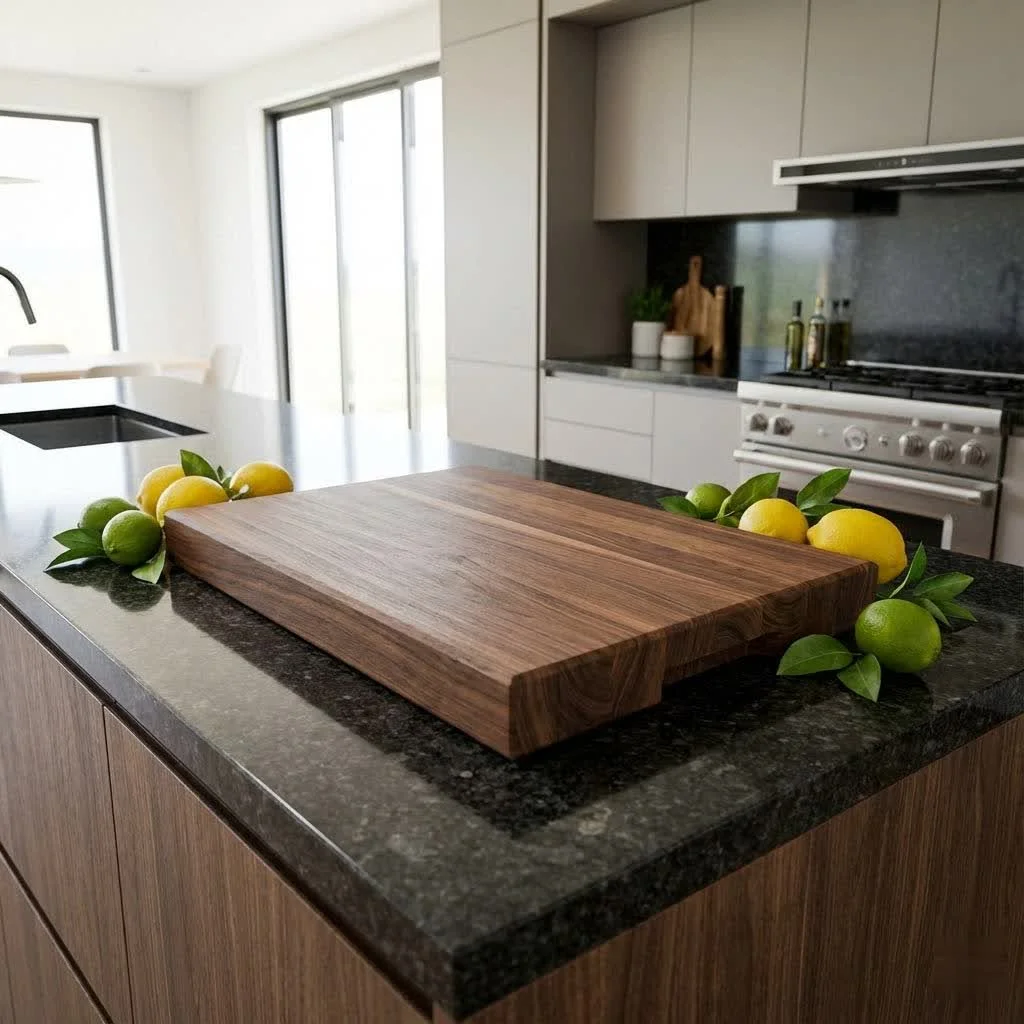
A large cutting board is more than just an oversized kitchen accessory; it’s a foundational tool that elevates your culinary experience, offering unparalleled space, stability, and versatility for both everyday meal prep and grand entertaining. For any home cook or professional chef serious about efficiency and safety in the kitchen, investing in a quality large cutting board is a game-changer.
Why Size Matters: The Benefits of a Large Cutting Board
The primary advantage of a large cutting board is the generous workspace it provides. Imagine chopping a heap of vegetables for a family dinner, preparing a whole chicken, or slicing a large roast without constantly having to clear ingredients into a bowl. A spacious board allows you to keep your prepped items organized and contained, streamlining your workflow and saving precious time. For best kitchenware roundups on this site.
Beyond sheer space, a substantial cutting board offers superior stability. Thicker, heavier boards are less prone to slipping and shifting during vigorous chopping, significantly reducing the risk of accidents. This stability is crucial when working with sharp knives and substantial ingredients.
Large cutting boards are also remarkably versatile. They can easily double as elegant serving platters for charcuterie, cheese, or beautifully carved meats, transitioning seamlessly from prep station to centerpiece. Their aesthetic appeal, especially those made from natural wood, adds a touch of sophistication to any kitchen countertop.
Choosing Your Ideal Large Cutting Board: Materials and Features
When selecting a large cutting board, material is a key consideration, impacting durability, knife-friendliness, and maintenance.
Wood: The Chef’s Favorite
Wooden cutting boards are highly favored for their natural antimicrobial properties and their gentle “give,” which helps maintain the sharpness of your knife blades.
-
End Grain vs. Edge Grain:
- End Grain: These boards are constructed with the wood fibers oriented vertically, allowing knife blades to slide between the fibers rather than cutting across them. This “self-healing” property makes them incredibly durable and exceptionally gentle on knives, though they tend to be thicker and heavier.
- Edge Grain: Made from horizontal strips of wood, edge-grain boards offer a smooth and sturdy surface. While slightly less durable than end-grain, they are still a reliable choice for daily use.
-
Popular Wood Types:
- Maple: A classic choice, maple is known for its durability, tight grain that resists deep knife marks, and resistance to moisture absorption.
- Teak: This wood is exceptionally water-resistant and naturally antimicrobial, making it an ultra-durable option, often used in outdoor furniture.
- Walnut: Softer than maple, walnut is very kind to knife edges and boasts a beautiful, rich dark brown hue.
- Acacia: Offering a good balance of durability and knife-friendliness, acacia wood often features appealing grain patterns.
Plastic: Practicality and Hygiene
|
Our Picks for the Best Cutting Board in 2026
As an Amazon Associate I earn from qualifying purchases.
|
||
| Num | Product | Action |
|---|---|---|
| 1 | Keechee Bamboo Cutting Board, Durable Wood Cutting Boards for Kitchen with Deep Juice Grooves & Built-in Handles, Ideal Charcuterie & Chopping for Meat, Vegetables and Fruits Ideal Kitchen Gifts |

|
| 2 | GORILLA GRIP BPA-Free Reversible Kitchen Cutting Board Set of 3, US Designed, Nonporous, Juice Grooves Catch Liquid, Slip Resistant Border, Dishwasher Safe, Durable Food Chopping Boards, Black Gray |
|
| 3 | Kikcoin Extra Large Bamboo Cutting Boards, (Set of 3) Chopping Boards with Juice Groove Bamboo Wood Cutting Board Set Butcher Block for Kitchen, End Grain Serving Tray |
|
| 4 | Titanium Cutting Board for Kitchen, Cutting Board Double Sided Food Grade, Pure Titanium/PP, Easy to Clean Large Size 16”×11” |
|
| 5 | GORILLA GRIP BPA-Free Reversible Kitchen Cutting Board Set of 3, US Designed, Nonporous, Juice Grooves Catch Liquid, Slip Resistant Border, Dishwasher Safe, Durable Food Chopping Boards, Aqua Gray |
|
| 6 | Bamboo Cutting Boards for Kitchen [Set of 3] Wood Cutting Board for Chopping Meat, Vegetables, Fruits, Cheese, Knife Friendly Serving Tray with Handles |
|
| 7 | GORILLA GRIP BPA-Free Reversible Kitchen Cutting Board Set of 3, US Designed, Nonporous, Juice Grooves Catch Liquid, Slip Resistant Border, Dishwasher Safe Large Food Chopping Boards, Black Aqua Gray |
|
| 8 | GORILLA GRIP BPA-Free Reversible Kitchen Cutting Board Set of 3, US Designed, Nonporous, Juice Grooves Catch Liquid, Slip Resistant Border, Dishwasher Safe, Durable Food Chopping Boards, Almond Gray |
|
| 9 | GORILLA GRIP BPA-Free Reversible Kitchen Cutting Board Set of 3, US Designed, Nonporous, Juice Grooves Catch Liquid, Slip Resistant Border, Dishwasher Safe, Durable Large Food Chopping Boards, Black |
|
| 10 | GORILLA GRIP BPA-Free Reversible Kitchen Cutting Board Set of 3, US Designed, Nonporous, Juice Grooves Catch Liquid, Slip Resistant Border, Dishwasher Safe, Durable Large Food Chopping Boards, Aqua |
|
While wood is often preferred for its aesthetics and blade-preserving qualities, a high-quality plastic cutting board serves as an excellent companion. Plastic boards are typically more affordable, lighter, and can be easily sanitized in a dishwasher, making them ideal for handling raw meats and poultry to prevent cross-contamination. However, hard plastic can dull knives more quickly and may show knife marks over time, which can harbor bacteria if not thoroughly cleaned.
Essential Features to Look For:
- Thickness: For wooden boards, a thickness of at least 1 to 1.5 inches is recommended for stability and long-term durability, preventing warping and cracking.
- Juice Groove: A perimeter juice groove or canal is indispensable for carving juicy meats like roasts and poultry, containing liquids and keeping your countertop clean.
- Non-slip Feet: Rubber feet or a substantial weight can prevent the board from sliding, enhancing safety during rigorous chopping.
- Reversible Design: Many large boards are reversible, offering two usable surfaces, which can be convenient for separating tasks or extending use between washes.
Care and Maintenance for Lasting Performance
Proper care is paramount to extending the lifespan of your large cutting board, especially for wooden varieties.
Daily Cleaning:
After each use, scrape off any food residue. Wash the board immediately with warm water and a mild dish soap, using a soft sponge or brush. Rinse thoroughly and, most importantly, dry it immediately with a clean towel. Allow it to air dry completely by standing it upright to ensure air circulation and prevent water from pooling, which can lead to warping or cracking. Never soak a wooden cutting board in water or place it in a dishwasher.
Regular Oiling (for Wood Boards):
Wood is porous and needs to be conditioned to prevent drying out, cracking, and moisture absorption.
- Initial Treatment: Before first use, saturate the board with food-safe mineral oil until it no longer absorbs the oil. Follow this with an application of board cream to seal and protect the wood.
- Ongoing Maintenance: Reapply mineral oil or board cream periodically. For daily users, monthly maintenance is ideal; for less frequent use, every two to three months may suffice. A good indicator that your board needs oiling is when water no longer beads on its surface.
Deep Cleaning and Disinfecting:
For persistent stains or odors, a natural scrub can be effective. Sprinkle coarse salt over the board, then use half a lemon to rub the salt into the surface. Let it sit for 5-10 minutes, then rinse with warm water and dry thoroughly. For disinfecting without harsh chemicals, a solution of one part vinegar to two parts water can be used.
By choosing the right large cutting board for your needs and adhering to a simple care routine, you’ll equip your kitchen with a durable, efficient, and beautiful tool that will serve you for years to come.
Cooking gear we tested in our own kitchens
Free PDF — preheat times measured on 10 popular air fryers.