The safest cutting board for most home cooks is a combination of materials: a dedicated non-porous board (such as high-density polyethylene plastic or a high-quality composite) for raw animal proteins, and a high-quality hardwood (like maple or walnut) or bamboo board for produce and other ready-to-eat foods. This approach leverages the ease of sanitization for raw meats and the knife-friendly, naturally antimicrobial properties of wood for other ingredients, ensuring optimal kitchen hygiene and safety.
Defining “Safest”: Key Factors to Consider
When evaluating the safety of a cutting board, several critical aspects come into play:
- Hygiene and Bacterial Resistance: The material’s ability to resist bacterial growth and prevent cross-contamination is fundamental.
- Knife Friendliness: A safe cutting board should protect your knife blades from dulling quickly, which can lead to unsafe slips.
- Durability and Longevity: A durable board withstands frequent use, reducing the need for constant replacement and maintaining its structural integrity.
- Non-toxicity: The material should not leach harmful chemicals into your food, especially when exposed to heat or acids.
- Ease of Cleaning and Maintenance: A board that is easy to thoroughly clean and sanitize is crucial for preventing the buildup of pathogens.
Exploring Cutting Board Materials
Each cutting board material offers a unique set of pros and cons regarding safety and performance.
Hardwood (Maple, Walnut, Cherry, Teak)
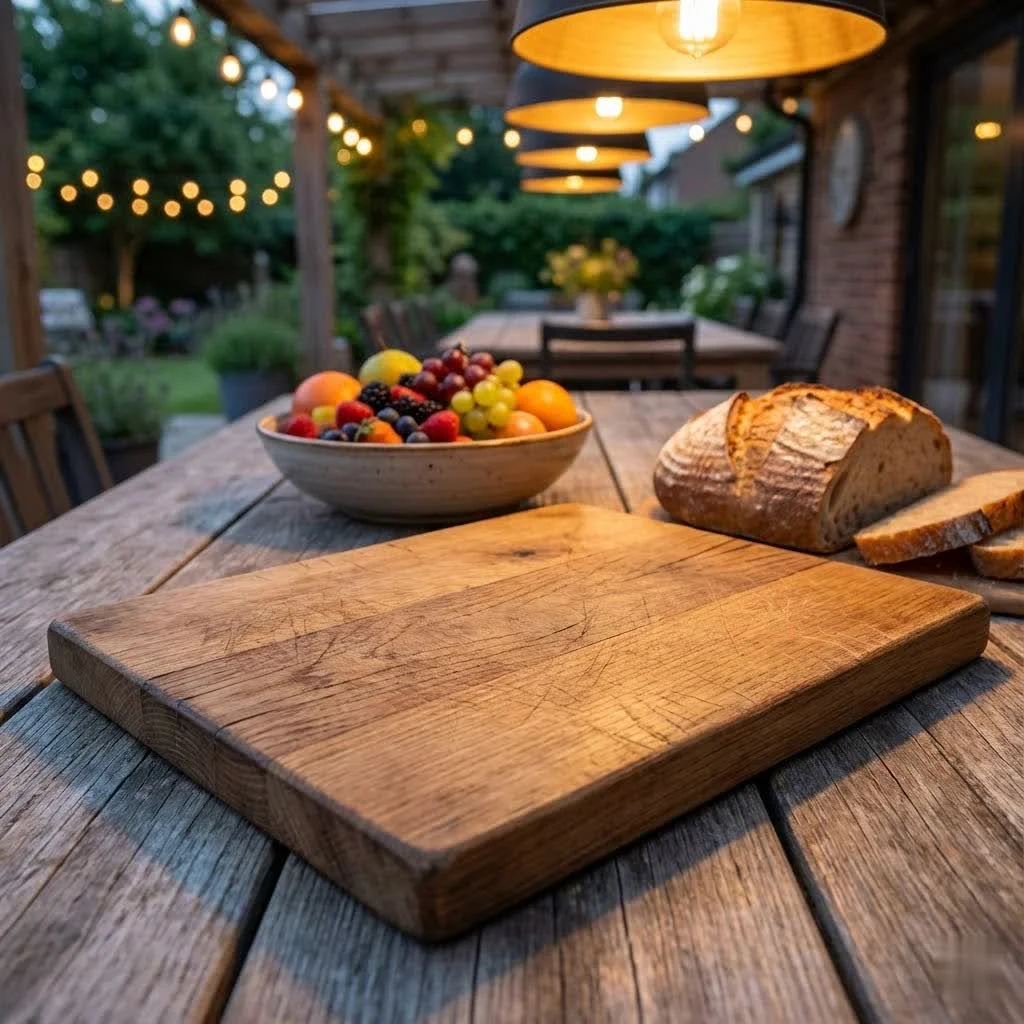
Hardwood cutting boards, particularly those made from dense, tight-grained woods like maple, walnut, cherry, and teak, are often considered a top choice. These woods possess natural antimicrobial properties, thanks to compounds like tannins and lignins, which help inhibit bacterial growth. Hardwood is also remarkably gentle on knife blades, preserving their sharpness over time, and can exhibit “self-healing” properties where minor cuts close up.
However, hardwood boards are porous and require proper maintenance. They should be regularly conditioned with food-safe mineral oil or beeswax to prevent drying, cracking, and warping. While excellent for general food preparation, some experts recommend extra caution and rigorous cleaning if used for raw meats, as deep grooves can still trap juices and bacteria. sealing hardwood extensively can sometimes negate its natural ability to trap and neutralize bacteria within its fibers, making it behave more like plastic.
Bamboo
Bamboo cutting boards are a sustainable and popular alternative. They are harder and less porous than many traditional hardwoods, making them resistant to scarring from knives and absorbing very little moisture. This density contributes to their natural antimicrobial qualities.
On the downside, bamboo’s hardness can be a bit tougher on knife edges compared to softer hardwoods. When choosing a bamboo board, ensure it is certified organic and treated only with food-safe oils, as some composite bamboo boards may be constructed with adhesives containing formaldehyde.
Plastic (High-Density Polyethylene – HDPE)
High-density polyethylene (HDPE) plastic cutting boards are a non-porous, dishwasher-safe, and highly convenient option, especially for handling raw meats, poultry, and seafood. Their non-porous surface makes them easy to clean and sanitize effectively with hot soapy water and even a diluted bleach solution. They are also generally affordable and do not off-gas fumes.
The main drawback of plastic boards is their tendency to develop deep knife grooves and scratches over time. These imperfections can become breeding grounds for bacteria, making them difficult to clean thoroughly. For this reason, plastic cutting boards should be replaced once they show significant signs of wear. There are also growing concerns regarding microplastics potentially chipping off into food.
Composite Boards
Composite cutting boards are typically made from compressed wood fibers and food-safe resins. These boards are non-porous, durable, and generally kind to knives. Many are also dishwasher-safe and excel at resisting stains and bacteria. When selecting a composite board, it’s vital to verify that no harmful formaldehyde-containing adhesives were used in its construction.
Other Materials (Glass, Stone, Stainless Steel, Rubber)
- Glass and Stone (Marble, Granite): While completely non-porous and highly hygienic, these materials are extremely hard and will rapidly dull your knives. They can also be slippery and are prone to chipping or breaking, making them generally unsuitable for active cutting tasks. They are better reserved for serving platters.
- Stainless Steel/Titanium: These metal boards are incredibly durable, non-porous, non-toxic, and highly sanitary. However, they are exceptionally hard on knives, can be slippery, and the “metal on metal” sensation is off-putting to many. They are also typically more expensive and show scratches easily.
- Rubber: High-quality rubber cutting boards offer good durability and are gentle on knives. Many are non-porous and can be dishwasher safe, providing a hygienic surface.
Beyond Material: Essential Safety Practices
|
Our Picks for the Best Cutting Board in 2026
As an Amazon Associate I earn from qualifying purchases.
|
||
| Num | Product | Action |
|---|---|---|
| 1 | Keechee Bamboo Cutting Board, Durable Wood Cutting Boards for Kitchen with Deep Juice Grooves & Built-in Handles, Ideal Charcuterie & Chopping for Meat, Vegetables and Fruits Ideal Kitchen Gifts |

|
| 2 | Bamboo Cutting Boards for Kitchen [Set of 3] Wood Cutting Board for Chopping Meat, Vegetables, Fruits, Cheese, Knife Friendly Serving Tray with Handles |
|
| 3 | GORILLA GRIP BPA-Free Reversible Kitchen Cutting Board Set of 3, US Designed, Nonporous, Juice Grooves Catch Liquid, Slip Resistant Border, Dishwasher Safe Large Food Chopping Boards, Black Aqua Gray |
|
| 4 | GORILLA GRIP BPA-Free Reversible Kitchen Cutting Board Set of 3, US Designed, Nonporous, Juice Grooves Catch Liquid, Slip Resistant Border, Dishwasher Safe, Durable Large Food Chopping Boards, Aqua |
|
| 5 | Kikcoin Extra Large Bamboo Cutting Boards, (Set of 3) Chopping Boards with Juice Groove Bamboo Wood Cutting Board Set Butcher Block for Kitchen, End Grain Serving Tray |
|
| 6 | GORILLA GRIP BPA-Free Reversible Kitchen Cutting Board Set of 3, US Designed, Nonporous, Juice Grooves Catch Liquid, Slip Resistant Border, Dishwasher Safe, Durable Food Chopping Boards, Black Gray |
|
| 7 | GORILLA GRIP BPA-Free Reversible Kitchen Cutting Board Set of 3, US Designed, Nonporous, Juice Grooves Catch Liquid, Slip Resistant Border, Dishwasher Safe, Durable Large Food Chopping Boards, Black |
|
| 8 | GORILLA GRIP BPA-Free Reversible Kitchen Cutting Board Set of 3, US Designed, Nonporous, Juice Grooves Catch Liquid, Slip Resistant Border, Dishwasher Safe, Durable Food Chopping Boards, Aqua Gray |
|
| 9 | Titanium Cutting Board for Kitchen, Cutting Board Double Sided Food Grade, Pure Titanium/PP, Easy to Clean Large Size 16”×11” |
|
| 10 | GORILLA GRIP BPA-Free Reversible Kitchen Cutting Board Set of 3, US Designed, Nonporous, Juice Grooves Catch Liquid, Slip Resistant Border, Dishwasher Safe, Durable Food Chopping Boards, Almond Gray |
|
No matter the material, proper usage and maintenance are critical to a cutting board’s safety.
Preventing Cross-Contamination
This is perhaps the single most important rule of cutting board safety. To minimize the risk of transferring harmful bacteria from raw foods to ready-to-eat items:
- Use Separate Boards: Dedicate one cutting board strictly for raw meats, poultry, and seafood, and another entirely for fresh produce, bread, and cooked foods.
- Color-Coding: Many kitchens use a color-coding system (e.g., red for raw meat, green for vegetables) to easily distinguish boards for different food types.
Proper Cleaning and Sanitization
Always wash your cutting board immediately after each use with hot, soapy water. For thorough sanitization, especially after cutting raw meats, follow these steps:
- Wash: Scrub the board thoroughly with hot, soapy water to remove all food particles.
- Sanitize: Apply a sanitizing solution. A common and effective solution is one tablespoon of unscented liquid chlorine bleach per gallon of water. Flood the board’s surface and let it stand for several minutes. Alternatively, use other approved food-safe sanitizers according to their instructions.
- Rinse and Dry: Rinse the board with clean water and allow it to air dry completely, or pat it dry with clean paper towels. Avoid using cloth towels that might harbor bacteria.
Solid wood and non-porous plastic or acrylic boards can typically be washed in a dishwasher, but laminated wooden boards may crack.
When to Replace Your Board
All cutting boards wear out over time. It is crucial to discard and replace any board that develops deep grooves, cracks, or excessive knife scars, as these imperfections create ideal hiding spots for bacteria that are difficult or impossible to clean. Warped boards should also be replaced as they can become unstable and unsafe to cut on.
Maintaining Wooden and Bamboo Boards
Regular maintenance prolongs the life and hygiene of natural wood and bamboo boards. Periodically oiling them with food-safe mineral oil or beeswax prevents them from drying out, cracking, and warping. This also helps maintain their integrity and makes them easier to clean.
Making Your Choice for the Safest Cutting Board
The “safest” cutting board often comes down to a combination of material and meticulous practice. Hardwood boards offer natural antimicrobial benefits and knife preservation, provided they receive consistent maintenance. Non-porous options like HDPE plastic or high-quality composite boards are excellent for raw meats due to their ease of deep sanitization, though they require replacement when deeply scarred.
For most home cooks, a combination of boards provides optimal safety and versatility: a dedicated non-porous board (plastic or composite) for raw animal proteins, and a high-quality hardwood or bamboo board for produce and other ready-to-eat foods. By choosing the right materials and diligently adhering to cleaning and cross-contamination prevention guidelines, you can ensure a safe and healthy kitchen for all your culinary adventures.
Frequently Asked Questions
What is the best material for a safe cutting board?
The best material for a safe cutting board depends on its use. For raw meats, non-porous options like HDPE plastic or high-quality composite are ideal due to their ease of deep sanitization. For produce and cooked foods, hardwood (e.g., maple, walnut) or bamboo boards offer natural antimicrobial properties and are gentler on knives.
How do I prevent cross-contamination with cutting boards?
To prevent cross-contamination, use separate cutting boards for different food types. Dedicate one board strictly for raw meats, poultry, and seafood, and another for fresh produce, bread, and cooked foods. Many kitchens also use color-coding systems, such as red for raw meat and green for vegetables, to easily distinguish boards.
When should I replace my cutting board?
You should replace your cutting board when it develops deep grooves, cracks, or excessive knife scars. These imperfections can harbor bacteria that are difficult to clean. Warped boards should also be replaced as they become unstable and unsafe for cutting.
Are wooden cutting boards truly hygienic?
Yes, hardwood cutting boards, especially those made from dense woods like maple, can be hygienic. They possess natural antimicrobial properties from compounds like tannins and lignins, which inhibit bacterial growth. However, they require regular conditioning with food-safe mineral oil or beeswax to prevent drying and cracking, and thorough cleaning is essential, especially after contact with raw meats.
Can I put my cutting board in the dishwasher?
Solid wood and non-porous plastic or acrylic cutting boards can typically be washed in a dishwasher. However, laminated wooden boards may crack or warp due to the high heat and moisture. Always check the manufacturer's instructions for specific care recommendations.
What are the disadvantages of glass or stone cutting boards?
Glass and stone cutting boards (like marble or granite) are completely non-porous and highly hygienic, but they are extremely hard and will rapidly dull your knives. They can also be slippery and are prone to chipping or breaking, making them generally unsuitable for active cutting tasks. These materials are better reserved for serving platters rather than daily chopping.
How to Properly Clean and Sanitize a Cutting Board
Learn the essential steps to thoroughly clean and sanitize your cutting board after each use, especially after preparing raw meats, to prevent bacterial growth and ensure kitchen hygiene.
Immediately after each use, scrub the cutting board thoroughly with hot, soapy water. Ensure all food particles and residues are completely removed from the surface.
For effective sanitization, especially after cutting raw meats, apply a sanitizing solution. A common and effective solution is one tablespoon of unscented liquid chlorine bleach per gallon of water. Flood the board's surface with this solution and let it stand for several minutes, or use other approved food-safe sanitizers according to their instructions.
After the sanitizing solution has had time to work, rinse the cutting board thoroughly with clean, fresh water. Ensure no soap or sanitizer residue remains on the surface.
Allow the board to air dry completely before storing it. Alternatively, you can pat it dry with clean paper towels. Avoid using cloth towels, as they might harbor bacteria and reintroduce contaminants.
Cooking gear we tested in our own kitchens
Free PDF — preheat times measured on 10 popular air fryers.
As someone who cooks a lot, kitchen hygiene is paramount. The breakdown of using non-porous boards for raw animal proteins and wood for everything else is spot on. I’ve been following this method for years, and it truly is the safest way to prevent bacterial growth. My high-quality hardwood board is still going strong after years of daily use.
This was super helpful! I always thought bamboo was the best, but learning about the benefits of maple or walnut for produce was a game-changer. I just ordered a beautiful maple board and my knives feel much happier. It’s definitely worth the investment for both safety and keeping my good knives sharp.
I appreciate the advice on knife friendliness, but I found that the composite board I bought based on a similar recommendation still dulled my knives faster than I’d like. It’s great for hygiene, especially with meats, but I’m constantly sharpening. Maybe I just need to invest in better knives, or perhaps a different type of hardwood for my everyday chopping.
I’ve been using separate boards for years, but this guide really clarified why it’s so important. I finally invested in a good high-density polyethylene plastic board just for raw chicken and fish, and it’s made such a difference in my peace of mind. No more worrying about cross-contamination with my veggies. My old wooden board is now strictly for produce, as recommended.