The humble cutting board is a cornerstone of any kitchen, yet its size is often an overlooked detail that can significantly impact your cooking efficiency, safety, and overall kitchen experience. Selecting the right cutting board isn’t just about personal preference; it’s about optimizing your workspace and streamlining your meal preparation.
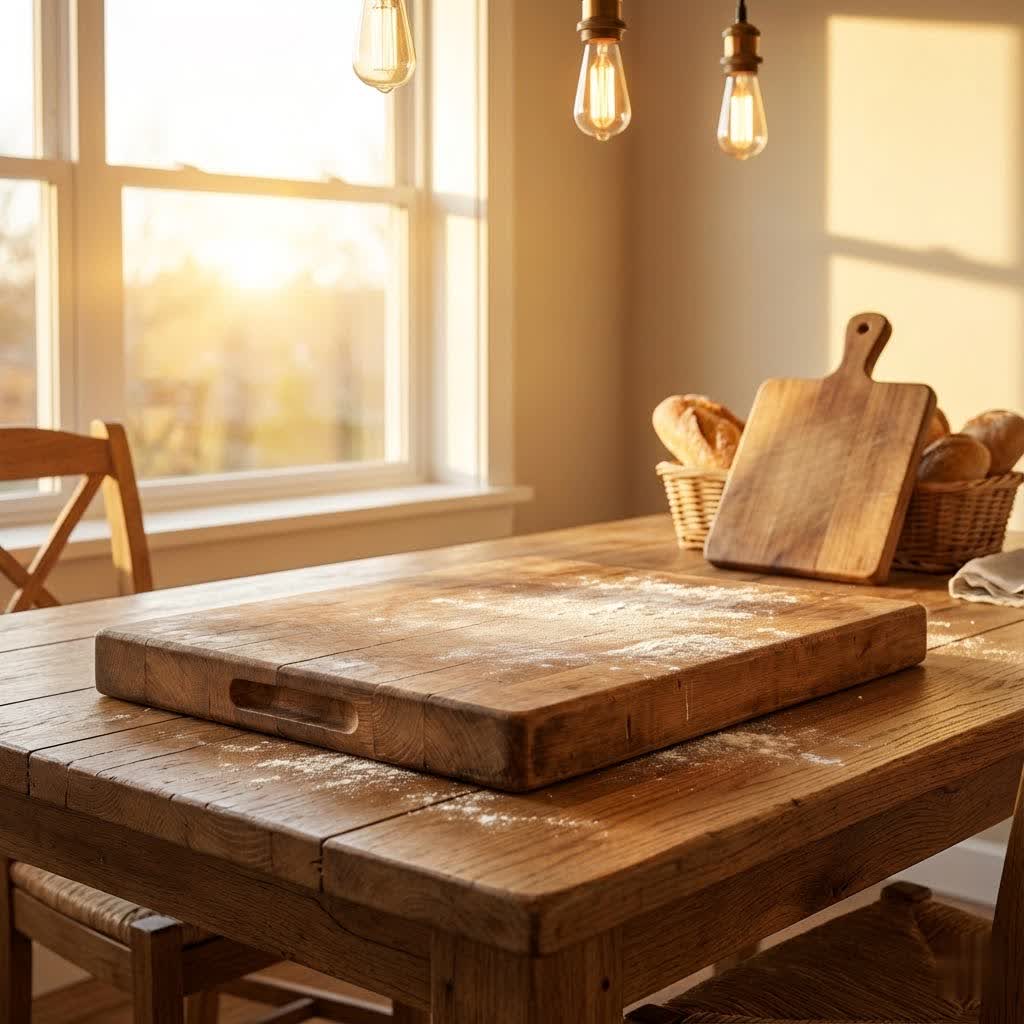
Why Cutting Board Size Matters
A cutting board that’s too small can lead to ingredients spilling onto your counter, requiring constant cleanup and potentially causing cross-contamination, especially with raw meats. Conversely, an oversized board can hog valuable counter space, making your kitchen feel cramped and unwieldy. The ideal cutting board provides ample room for your ingredients and knife work, ensures stability, and fits comfortably within your kitchen’s layout.
Key Factors to Consider When Choosing
To find your perfect cutting board, consider these essential aspects:
- Available Counter Space: This is perhaps the most crucial factor. Measure the area where you typically do your prep work. Your cutting board should leave enough room for bowls, utensils, and safe movement. A good rule of thumb is to keep the board’s edge a few inches from the counter’s edge.
- Your Cooking Habits:
- Light Cook / Small Meals: If you primarily prepare quick snacks, single-serving meals, or chop small garnishes, a smaller board might suffice.
- Everyday Cook / Family Meals: For daily chopping of vegetables, slicing bread, and general meal prep for 2-4 people, a versatile medium-sized board is ideal.
- Batch Cook / Large Roasts / Frequent Entertainer: If you often cook for large families, prepare elaborate meals, carve large cuts of meat, or engage in extensive batch cooking, a substantial large board is indispensable.
- Storage Space: Consider where you’ll store your board. Can it fit in a drawer, a cabinet, or will it live permanently on your counter? A board that’s too large to store conveniently might become an annoyance.
- Ease of Cleaning: A cutting board should fit easily into your sink for thorough washing. Struggling to clean a massive board in a small sink can deter proper hygiene.
Common Cutting Board Sizes and Their Uses
Cutting boards come in a spectrum of sizes, each suited for different tasks and kitchen setups.
Small Cutting Boards (Approx. 8″x10″ to 12″x14″)
These compact boards are perfect for:
- Quick tasks like slicing a lemon, mincing a single clove of garlic, or dicing an apple.
- Preparing garnishes, herbs, or cheese.
- Kitchens with limited counter space or for individuals cooking for one or two.
- Serving as a small platter for appetizers.
They are lightweight, easy to clean, and store.
|
Our Picks for the Best Cutting Board in 2026
As an Amazon Associate I earn from qualifying purchases.
|
||
| Num | Product | Action |
|---|---|---|
| 1 | Bamboo Cutting Boards for Kitchen [Set of 3] Wood Cutting Board for Chopping Meat, Vegetables, Fruits, Cheese, Knife Friendly Serving Tray with Handles |
![Check Bamboo Cutting Boards for Kitchen [Set of 3] Wood Cutting Board for Chopping Meat, Vegetables, Fruits, Cheese, Knife Friendly Serving Tray with Handles on Amazon](https://bmpav.com/wp-content/plugins/amazon-tables/assets/images/buy.png)
|
| 2 | GORILLA GRIP BPA-Free Reversible Kitchen Cutting Board Set of 3, US Designed, Nonporous, Juice Grooves Catch Liquid, Slip Resistant Border, Dishwasher Safe, Durable Food Chopping Boards, Black Gray |
|
| 3 | GORILLA GRIP BPA-Free Reversible Kitchen Cutting Board Set of 3, US Designed, Nonporous, Juice Grooves Catch Liquid, Slip Resistant Border, Dishwasher Safe Large Food Chopping Boards, Black Aqua Gray |
|
| 4 | GORILLA GRIP BPA-Free Reversible Kitchen Cutting Board Set of 3, US Designed, Nonporous, Juice Grooves Catch Liquid, Slip Resistant Border, Dishwasher Safe, Durable Large Food Chopping Boards, Black |
|
| 5 | GORILLA GRIP BPA-Free Reversible Kitchen Cutting Board Set of 3, US Designed, Nonporous, Juice Grooves Catch Liquid, Slip Resistant Border, Dishwasher Safe, Durable Food Chopping Boards, Almond Gray |
|
| 6 | GORILLA GRIP BPA-Free Reversible Kitchen Cutting Board Set of 3, US Designed, Nonporous, Juice Grooves Catch Liquid, Slip Resistant Border, Dishwasher Safe, Durable Food Chopping Boards, Aqua Gray |
|
| 7 | Keechee Bamboo Cutting Board, Durable Wood Cutting Boards for Kitchen with Deep Juice Grooves & Built-in Handles, Ideal Charcuterie & Chopping for Meat, Vegetables and Fruits Ideal Kitchen Gifts |
|
| 8 | Titanium Cutting Board for Kitchen, Cutting Board Double Sided Food Grade, Pure Titanium/PP, Easy to Clean Large Size 16”×11” |
|
| 9 | GORILLA GRIP BPA-Free Reversible Kitchen Cutting Board Set of 3, US Designed, Nonporous, Juice Grooves Catch Liquid, Slip Resistant Border, Dishwasher Safe, Durable Large Food Chopping Boards, Aqua |
|
| 10 | Kikcoin Extra Large Bamboo Cutting Boards, (Set of 3) Chopping Boards with Juice Groove Bamboo Wood Cutting Board Set Butcher Block for Kitchen, End Grain Serving Tray |
|
Medium Cutting Boards (Approx. 12″x16″ to 17″x11″)
Often considered the “sweet spot” or the “everyday workhorse” for most home kitchens, medium boards offer:
- Versatility for daily meal preparation, including chopping vegetables, slicing bread, and preparing smaller cuts of meat.
- Enough space to manage ingredients without overcrowding the counter.
- A good balance of size and functionality for households of 2-4 people.
Many home cooks find a 12″x18″ board to be the most versatile all-around option.
Large Cutting Boards (Approx. 18″x12″ to 20″x15″ and up to 18″x24″)
These robust boards are designed for serious culinary tasks:
- Carving Roasts and Poultry: Ample surface area and often feature juice grooves to contain liquids, preventing messes and cross-contamination.
- Batch Cooking and Meal Prep: Provides plenty of room to chop multiple ingredients simultaneously.
- Raw Meat and Fish: Crucial for preventing cross-contamination by dedicating a large surface exclusively for raw proteins, keeping juices contained.
- Large Families or Entertaining: Ideal for preparing substantial meals with numerous ingredients.
While they require more storage and counter space, their utility for significant prep work is unmatched.
The Importance of Cutting Board Thickness
Beyond length and width, thickness plays a vital role in a cutting board’s stability and durability. Generally, boards ranging from 0.75 to 1 inch thick offer the best balance. Thinner boards (less than ¾ inch) are prone to warping, flexing, and can dull your knives faster. A thicker board provides a more stable cutting surface, protecting both your knives and your countertops, and ensures the board’s longevity.
Finding Your Ideal Fit
Ultimately, the best approach is to have a selection of cutting boards to suit various tasks. A common setup includes:
- A small board for quick, minimal prep.
- A medium, all-purpose board for daily cooking.
- A large board dedicated to raw meats or extensive prep.
Consider your kitchen’s unique demands, measure your spaces, and think about your cooking style. By carefully considering these factors, you can equip your kitchen with cutting boards that enhance safety, efficiency, and enjoyment in every culinary endeavor.
