A high-quality Meat Cutting Board is an indispensable tool in any kitchen, essential for both culinary efficiency and, more importantly, food safety. Beyond merely providing a stable surface for slicing and dicing, the right cutting board protects your countertops, preserves the sharpness of your knives, and actively works to prevent the spread of harmful bacteria.
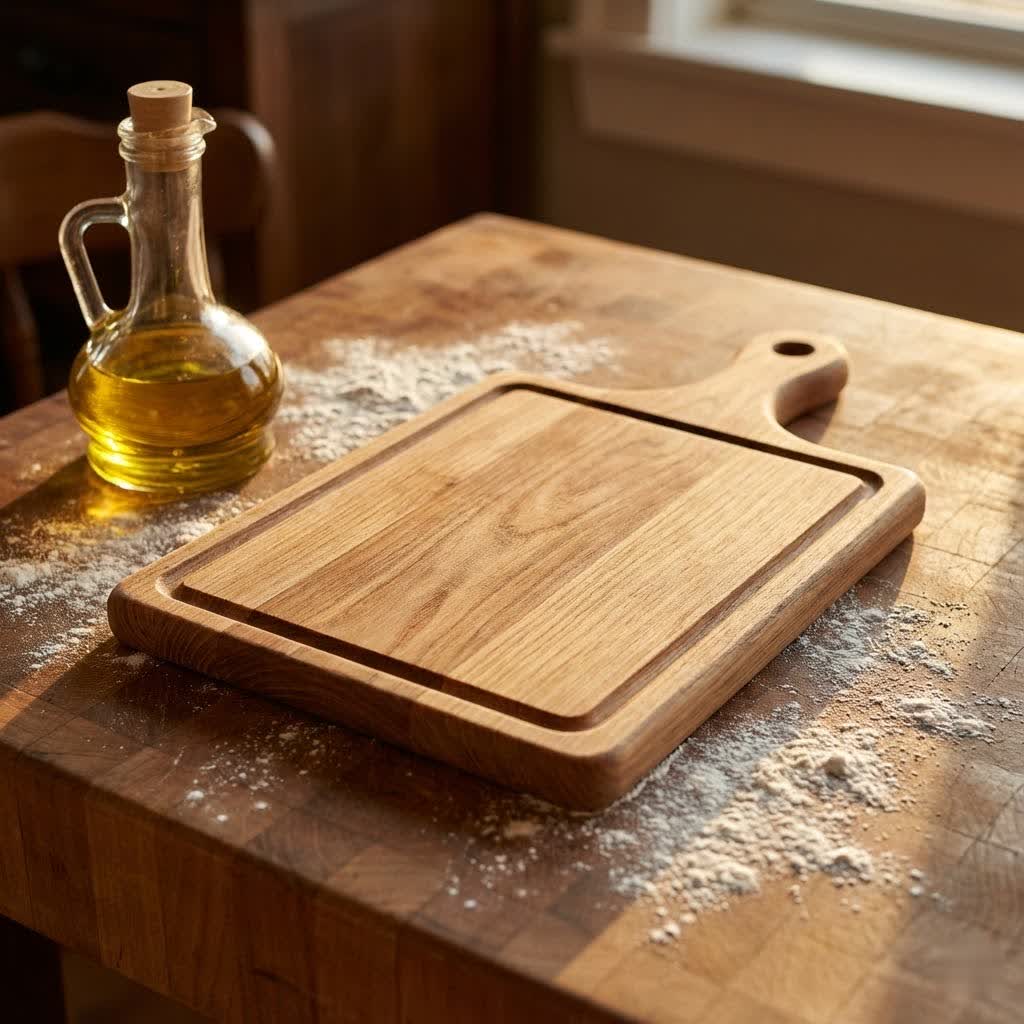
This comprehensive guide will walk you through everything you need to know about selecting the best meat cutting board for your needs, understanding different materials, and mastering the crucial steps for proper hygiene and maintenance.
Why a Dedicated Meat Cutting Board is Essential
Using a separate cutting board specifically for raw meats, poultry, and seafood is paramount for several critical reasons:
- Preventing Cross-Contamination: Raw meats can harbor bacteria like Salmonella and E. coli. If these bacteria transfer from a meat-contaminated board to other foods—such as vegetables, fruits, or cooked items—without proper cleaning, it can lead to foodborne illness.
- Food Safety: Over time, cutting boards can develop grooves and scratches, creating an environment where bacteria can thrive. A dedicated board for meat, properly cleaned and maintained, minimizes this risk.
- Odor and Flavor Transfer: Strong odors and flavors from certain meats, especially fish, can seep into cutting boards and transfer to other foods. Using a separate board prevents these undesirable transfers.
- Knife Preservation: The material of your cutting board significantly impacts the longevity and sharpness of your knives. Boards made from softer materials, like certain woods, are much gentler on blades.
For optimal food safety, many experts recommend using color-coded boards: for instance, red for raw meat, green for produce, and white for dairy and bread.
Key Features to Look for in a Meat Cutting Board
When selecting a meat cutting board, several design and material characteristics contribute to its overall performance, durability, and safety.
Material Matters
The choice of material is arguably the most critical decision, influencing hygiene, knife care, and maintenance.
- Wood Cutting Boards: Often favored by professional chefs, hardwoods like maple, walnut, cherry, teak, and acacia are excellent choices.
- Pros: They are gentle on knife blades, helping to maintain sharpness. Many hardwoods possess natural antimicrobial properties, inhibiting bacterial growth. End-grain wood boards are particularly durable and “self-healing,” as knife marks tend to close up rather than creating deep grooves. Wood also offers an aesthetic appeal.
- Cons: Wood boards require more maintenance, including regular oiling with food-grade mineral oil to prevent drying and cracking. They are typically not dishwasher safe and should not be soaked in water, as this can lead to warping or cracking.
- Plastic Cutting Boards: A popular and often more affordable option. High-density polyethylene (HDPE) is a common, durable plastic used for cutting boards.
- Pros: Plastic boards are non-porous, making them resistant to absorbing meat juices, odors, and stains. Many are dishwasher safe, allowing for easy and thorough sanitization. They are lightweight and easy to handle.
- Cons: Plastic can develop deep grooves over time from knife cuts, which can harbor bacteria and be difficult to clean effectively. They may need more frequent replacement than wood boards.
- Bamboo Cutting Boards: A sustainable and eco-friendly alternative.
- Pros: Bamboo is harder and less porous than many hardwoods, making it resistant to moisture absorption and scarring from knives. Like wood, it also possesses natural antimicrobial properties. It is generally lightweight.
- Cons: Similar to wood, bamboo boards are typically not dishwasher safe and require handwashing and occasional oiling to maintain their quality.
- Composite Cutting Boards: These boards, made from heavy-duty resin or wood fiber composites, aim to combine the best features of plastic and wood.
- Pros: Often dishwasher safe, highly durable, and resistant to knife marks. They usually don’t require oiling or special conditioning.
- Cons: Can be more expensive than basic plastic or some wood boards.
Materials to Avoid:
- Glass Boards: These are extremely hard and will quickly dull or damage your knife blades. They also offer poor grip for food.
- Softwoods (e.g., Pine, Cedar): Their open grain structures are more prone to harboring bacteria and showing deep knife marks.
|
Our Picks for the Best Cutting Board in 2026
As an Amazon Associate I earn from qualifying purchases.
|
||
| Num | Product | Action |
|---|---|---|
| 1 | GORILLA GRIP BPA-Free Reversible Kitchen Cutting Board Set of 3, US Designed, Nonporous, Juice Grooves Catch Liquid, Slip Resistant Border, Dishwasher Safe, Durable Large Food Chopping Boards, Black |

|
| 2 | GORILLA GRIP BPA-Free Reversible Kitchen Cutting Board Set of 3, US Designed, Nonporous, Juice Grooves Catch Liquid, Slip Resistant Border, Dishwasher Safe, Durable Food Chopping Boards, Black Gray |
|
| 3 | Titanium Cutting Board for Kitchen, Cutting Board Double Sided Food Grade, Pure Titanium/PP, Easy to Clean Large Size 16”×11” |
|
| 4 | Kikcoin Extra Large Bamboo Cutting Boards, (Set of 3) Chopping Boards with Juice Groove Bamboo Wood Cutting Board Set Butcher Block for Kitchen, End Grain Serving Tray |
|
| 5 | Bamboo Cutting Boards for Kitchen [Set of 3] Wood Cutting Board for Chopping Meat, Vegetables, Fruits, Cheese, Knife Friendly Serving Tray with Handles |
|
| 6 | GORILLA GRIP BPA-Free Reversible Kitchen Cutting Board Set of 3, US Designed, Nonporous, Juice Grooves Catch Liquid, Slip Resistant Border, Dishwasher Safe Large Food Chopping Boards, Black Aqua Gray |
|
| 7 | GORILLA GRIP BPA-Free Reversible Kitchen Cutting Board Set of 3, US Designed, Nonporous, Juice Grooves Catch Liquid, Slip Resistant Border, Dishwasher Safe, Durable Large Food Chopping Boards, Aqua |
|
| 8 | GORILLA GRIP BPA-Free Reversible Kitchen Cutting Board Set of 3, US Designed, Nonporous, Juice Grooves Catch Liquid, Slip Resistant Border, Dishwasher Safe, Durable Food Chopping Boards, Aqua Gray |
|
| 9 | Keechee Bamboo Cutting Board, Durable Wood Cutting Boards for Kitchen with Deep Juice Grooves & Built-in Handles, Ideal Charcuterie & Chopping for Meat, Vegetables and Fruits Ideal Kitchen Gifts |
|
| 10 | GORILLA GRIP BPA-Free Reversible Kitchen Cutting Board Set of 3, US Designed, Nonporous, Juice Grooves Catch Liquid, Slip Resistant Border, Dishwasher Safe, Durable Food Chopping Boards, Almond Gray |
|
Size and Thickness
A generous size (e.g., 18×24 inches) provides ample space for carving larger cuts of meat, collecting juices, and preventing food from spilling onto your countertop. Thickness also matters; a board that is at least 1.5 inches thick offers greater stability, durability, and resistance to warping under heavy use.
Juice Grooves (or Wells)
For meat, especially roasts or poultry, a deep juice groove or channel around the perimeter is a must-have. This feature effectively catches all the drippings, preventing them from running onto your counter, and can even facilitate collecting juices for gravy.
Non-Slip Stability
A stable cutting board is a safe cutting board. Look for features like rubber feet, silicone grips, or a sufficient weight that prevents the board from sliding during vigorous carving or chopping. Alternatively, placing a damp cloth or paper towel underneath your board can provide an effective non-slip surface.
Handles and Reversibility
Integrated handles or easy-pour corners enhance portability, making it easier to transport a heavy, juice-laden board from the counter to the sink or serving platter. Many boards are also reversible, offering a side with a juice groove for meats and a flat side for general prep.
Maintaining Your Meat Cutting Board: Hygiene and Longevity
Proper care and maintenance are crucial for the longevity and safety of your meat cutting board, regardless of its material.
Immediate Cleaning
Always clean your cutting board immediately after each use, especially after handling raw meat.
- Basic Cleaning: Wash thoroughly with hot, soapy water. Scrub the surface to remove all food residues. Rinse with clean water and dry completely with a clean towel or allow it to air dry upright.
- Dishwasher Safe: Plastic and composite boards are often dishwasher safe, providing a convenient way to sanitize them. Solid wood boards may sometimes be dishwasher safe, but laminated wood boards can crack and split. Always check manufacturer instructions.
Sanitizing for Food Safety
Beyond cleaning, sanitizing kills harmful bacteria.
- Bleach Solution: For plastic, composite, and even solid wood boards, a diluted bleach solution works effectively. Mix one tablespoon of unscented liquid chlorine bleach per gallon of water. Flood the board’s surface and let it stand for several minutes before rinsing thoroughly with clean water and drying.
- Natural Sanitizers (for Wood): For wood and bamboo, some prefer natural alternatives. Vinegar or hydrogen peroxide can be used, though they may not be as potent as bleach against all pathogens. A lemon and salt scrub can also help remove odors and provide a mild sanitizing effect.
Essential Care for Wooden and Bamboo Boards
- Oiling: Regularly apply food-grade mineral oil to wooden and bamboo cutting boards. This practice helps prevent the wood from drying out, cracking, and becoming porous, which can harbor bacteria. Apply when the board appears dry, typically once a month, or more often with heavy use.
- Avoid Soaking: Never soak wood or bamboo boards in water, as this can lead to warping, cracking, and damage to the wood fibers.
- Proper Storage: Store wood and bamboo boards upright in a dry place to allow for air circulation and prevent moisture buildup, which can lead to mold. Keep them away from direct sunlight or extreme heat.
When to Replace Your Cutting Board
All cutting boards have a lifespan. Replace your meat cutting board when you notice:
- Deep Grooves or Cracks: These are difficult to clean and can become breeding grounds for bacteria, even with diligent washing.
- Persistent Odors or Stains: If odors or stains linger despite thorough cleaning, it indicates that the board has absorbed substances that compromise its hygiene.
- Warping or Damage: Any significant structural damage can make the board unstable and unsafe to use.
By investing in the right meat cutting board and adhering to proper cleaning and maintenance protocols, you ensure a safe, efficient, and enjoyable cooking experience for years to come.
