A high-quality cutting board is a cornerstone of any well-equipped kitchen, crucial for both culinary efficiency and food safety. While Wirecutter is renowned for its rigorous testing and expert recommendations, understanding the nuances of different cutting board materials and designs empowers you to choose the perfect tool for your kitchen needs. From protecting your knives to preventing cross-contamination, the right cutting board makes all the difference in your daily food preparation.
Why Your Cutting Board Choice Matters
The surface you chop on directly impacts the longevity of your knives, the cleanliness of your workspace, and even your health. A poorly chosen board can dull knife edges quickly, harbor bacteria in deep gouges, or slide dangerously across your counter. Recent studies have also highlighted concerns about plastic cutting boards leaching microplastics into food, making material selection more critical than ever.
Exploring Cutting Board Materials
Cutting boards come in a variety of materials, each with distinct advantages and disadvantages. Reputable reviewers often focus on a balance of durability, knife-friendliness, and ease of maintenance.
Wood Cutting Boards
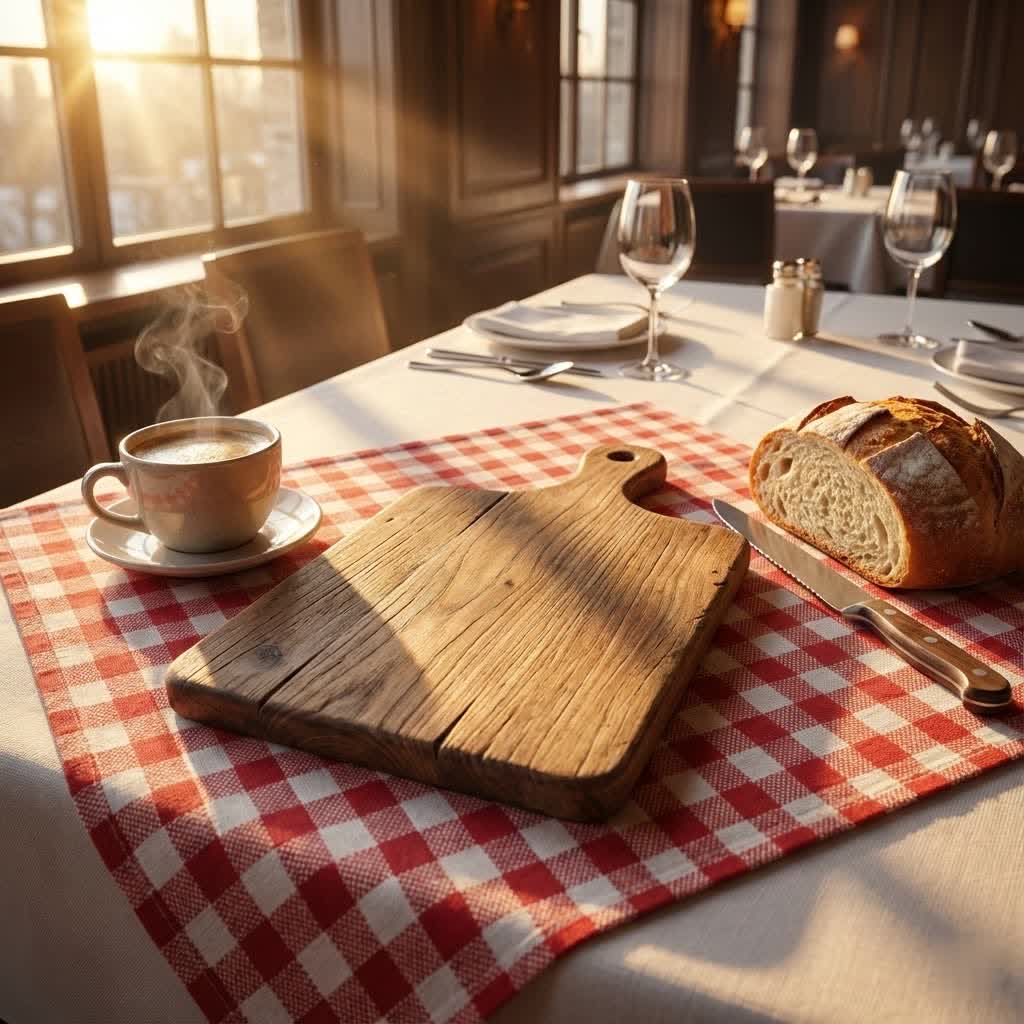
Wood has been a preferred material for generations, prized for its natural properties and aesthetic appeal.
- Benefits: Wood is generally gentler on knife edges than harder materials, helping to maintain sharpness. Many varieties, like maple, walnut, and hinoki, also boast natural antibacterial properties. Unlike plastic, wood boards can often be sanded down to remove deep knife marks and restore their surface, allowing them to last for decades with proper care.
- Types of Wood: Maple and walnut are popular for their durability and attractive grain. Teak and acacia offer unique looks and good moisture resistance. Hinoki wood is especially known for its knife-friendliness and pleasant aroma.
- Construction:
- End-grain boards are made by arranging small blocks of wood with the grain facing up, creating a fibrous surface that “heals” itself as knife blades glide between the fibers. This makes them exceptionally durable and kind to knives, though often more expensive and heavier.
- Edge-grain boards are constructed from longer strips of wood laid on their sides. They are typically more affordable and lighter than end-grain boards but can show knife marks more readily and may be slightly harder on knife edges.
- Drawbacks: Wood boards require diligent hand-washing and regular oiling to prevent drying, cracking, and warping. They are not dishwasher-safe and should never be left submerged in water.
|
Our Picks for the Best Cutting Board in 2026
As an Amazon Associate I earn from qualifying purchases.
|
||
| Num | Product | Action |
|---|---|---|
| 1 | GORILLA GRIP BPA-Free Reversible Kitchen Cutting Board Set of 3, US Designed, Nonporous, Juice Grooves Catch Liquid, Slip Resistant Border, Dishwasher Safe, Durable Large Food Chopping Boards, Black |

|
| 2 | GORILLA GRIP BPA-Free Reversible Kitchen Cutting Board Set of 3, US Designed, Nonporous, Juice Grooves Catch Liquid, Slip Resistant Border, Dishwasher Safe, Durable Food Chopping Boards, Aqua Gray |
|
| 3 | Bamboo Cutting Boards for Kitchen [Set of 3] Wood Cutting Board for Chopping Meat, Vegetables, Fruits, Cheese, Knife Friendly Serving Tray with Handles |
|
| 4 | GORILLA GRIP BPA-Free Reversible Kitchen Cutting Board Set of 3, US Designed, Nonporous, Juice Grooves Catch Liquid, Slip Resistant Border, Dishwasher Safe, Durable Food Chopping Boards, Black Gray |
|
| 5 | GORILLA GRIP BPA-Free Reversible Kitchen Cutting Board Set of 3, US Designed, Nonporous, Juice Grooves Catch Liquid, Slip Resistant Border, Dishwasher Safe, Durable Large Food Chopping Boards, Aqua |
|
| 6 | Titanium Cutting Board for Kitchen, Cutting Board Double Sided Food Grade, Pure Titanium/PP, Easy to Clean Large Size 16”×11” |
|
| 7 | Kikcoin Extra Large Bamboo Cutting Boards, (Set of 3) Chopping Boards with Juice Groove Bamboo Wood Cutting Board Set Butcher Block for Kitchen, End Grain Serving Tray |
|
| 8 | GORILLA GRIP BPA-Free Reversible Kitchen Cutting Board Set of 3, US Designed, Nonporous, Juice Grooves Catch Liquid, Slip Resistant Border, Dishwasher Safe, Durable Food Chopping Boards, Almond Gray |
|
| 9 | Keechee Bamboo Cutting Board, Durable Wood Cutting Boards for Kitchen with Deep Juice Grooves & Built-in Handles, Ideal Charcuterie & Chopping for Meat, Vegetables and Fruits Ideal Kitchen Gifts |
|
| 10 | GORILLA GRIP BPA-Free Reversible Kitchen Cutting Board Set of 3, US Designed, Nonporous, Juice Grooves Catch Liquid, Slip Resistant Border, Dishwasher Safe Large Food Chopping Boards, Black Aqua Gray |
|
Bamboo Cutting Boards
Though technically a grass, bamboo behaves similarly to wood and is celebrated for its sustainability.
- Benefits: Bamboo is highly sustainable and offers a distinct, attractive look. It’s generally lightweight and sturdy.
- Drawbacks: Bamboo is typically harder than many wood types, which can lead to knives dulling more quickly. Like wood, bamboo boards are usually not dishwasher-safe and require hand-washing and occasional oiling.
Plastic Cutting Boards
Plastic boards are a common sight in many kitchens due to their convenience and affordability.
- Benefits: Plastic cutting boards are non-porous and can often be sanitized in a dishwasher, making them a popular choice for prepping raw meats and poultry to prevent cross-contamination. They are also relatively inexpensive and lightweight.
- Drawbacks: Plastic can be harsh on knife edges, causing them to dull faster. Over time, plastic boards accumulate deep knife grooves that can harbor bacteria and are difficult to clean. As mentioned, studies have also raised concerns about microplastic release into food when plastic boards are cut. They have a limited lifespan and need to be replaced when heavily scored or discolored.
Wood Composite Cutting Boards
Made from materials like paper composite, these boards offer a blend of traditional and modern benefits.
- Benefits: Paper composite boards are durable, non-porous, and typically dishwasher-safe. They are gentle on knives and often resist staining and warping, requiring less maintenance than traditional wood boards.
- Drawbacks: While durable, they don’t offer the “self-healing” properties of end-grain wood and can still show wear over time.
Key Features to Consider When Choosing
When selecting a cutting board, several design elements contribute to its functionality and user experience:
- Size and Thickness: Choose a board that provides ample workspace for your typical prep tasks, without being so large it’s cumbersome to clean or store. Thicker boards are generally more stable and durable.
- Juice Grooves: For carving meats or slicing juicy fruits, a perimeter juice groove is invaluable for catching liquids and preventing countertop messes. Many boards offer a reversible design with one grooved side and one flat side for versatility.
- Stability: A good cutting board should stay firmly in place during use. Look for boards with non-slip feet or enough weight to remain stable on your counter.
- Ease of Cleaning: Consider your cleaning preferences. If dishwasher-safe is a must, plastic or composite boards are suitable. If you’re willing to hand-wash and oil, wood and bamboo offer other advantages.
Maintaining Your Cutting Board for Longevity
Proper care is essential to maximize the lifespan and hygiene of your cutting board.
- For Wood and Bamboo: Always hand-wash with hot, soapy water immediately after use, cleaning both sides evenly to prevent warping. Dry thoroughly with a towel and allow it to air dry completely on its edge. Regularly oil your wood or bamboo board with food-grade mineral oil or board butter to hydrate the wood and create a protective barrier against moisture and odors.
- For Plastic and Composite: Most plastic and composite boards can be washed with hot, soapy water or placed in the dishwasher for thorough sanitization. Replace plastic boards when they develop deep gouges, become discolored, or are difficult to clean effectively, typically every few years.
By carefully considering material, features, and maintenance, you can select a cutting board that not only meets your culinary demands but also aligns with your preferences for durability, aesthetics, and food safety.
