A reliable cutting board is an indispensable tool in any kitchen, acting as the foundation for countless culinary creations. Far more than just a surface for chopping, the right cutting board protects your countertops, preserves your knife edges, and plays a crucial role in food safety. With a myriad of materials available, understanding their unique properties is key to selecting the perfect board for your needs.
Key Factors to Consider When Choosing a Cutting Board
Before diving into specific materials, consider these essential aspects that influence a cutting board’s performance and suitability:
- Knife-Friendliness: The ideal cutting surface should be gentle on your knife blades, preventing them from dulling quickly. Softer materials absorb knife impact, keeping your edges sharper for longer.
- Hygiene and Food Safety: A good cutting board should resist bacterial growth and be easy to clean thoroughly to prevent cross-contamination.
- Durability and Longevity: The board needs to withstand repeated chopping, slicing, and dicing without warping, cracking, or developing deep grooves that can harbor pathogens.
- Maintenance Requirements: Some materials require more upkeep than others. Consider how much time you’re willing to dedicate to cleaning and conditioning.
- Aesthetics and Cost: While functionality is paramount, the board’s appearance and price point are also practical considerations for your kitchen and budget.
A Deep Dive into Cutting Board Materials
Let’s explore the most common cutting board materials and their respective advantages and disadvantages.
Wooden Cutting Boards: The Chef’s Favorite
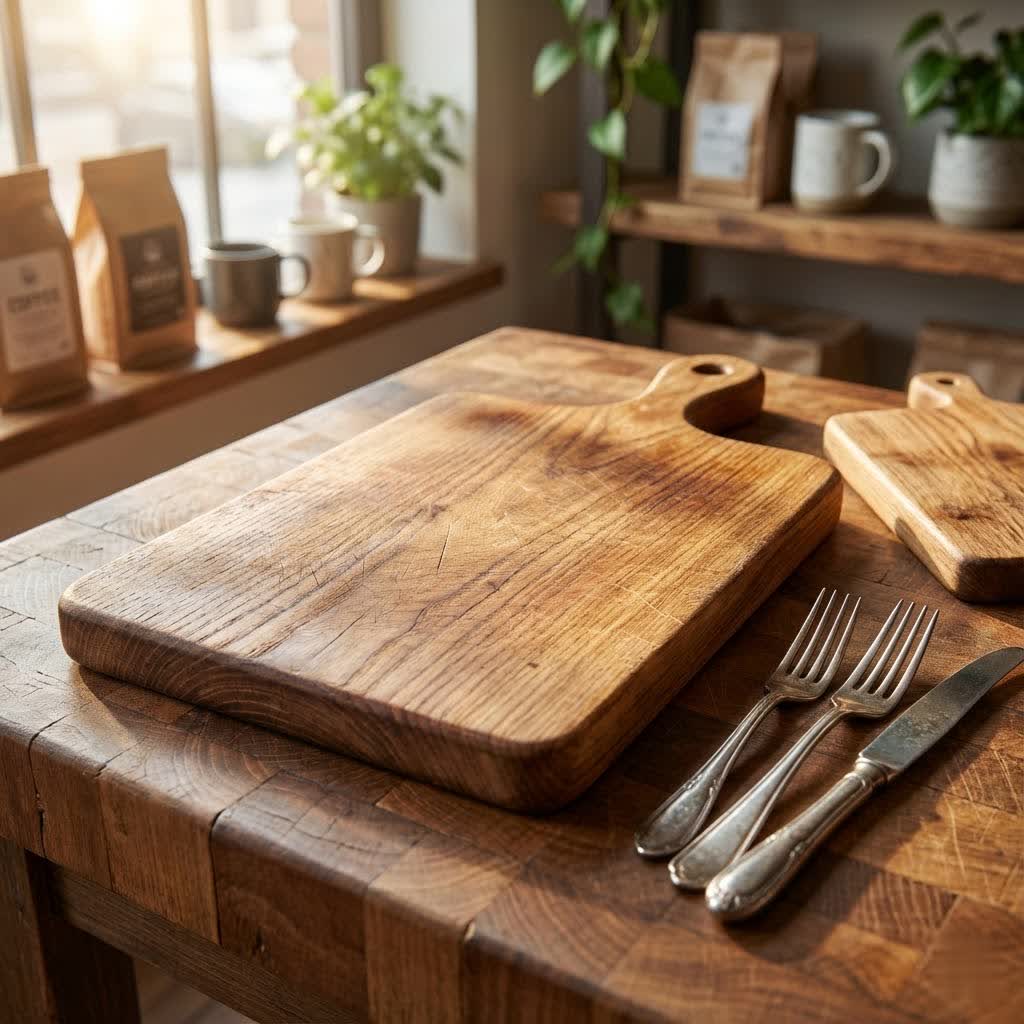
Long favored by culinary professionals and home cooks alike, wooden cutting boards offer a blend of beauty and practicality.
Pros:
- Knife-Friendly: Wood, especially end-grain hardwoods, is notably kind to knife edges, helping them retain sharpness. The wood fibers separate with the blade’s impact and then close back up, reducing wear and tear.
- Naturally Antimicrobial: Many hardwoods, such as maple, walnut, and cherry, possess natural antimicrobial properties. Research indicates that bacteria tend to die off within the wood’s pores rather than multiplying on the surface.
- Durable and Long-Lasting: With proper care, a high-quality wooden board can last for decades, even becoming a cherished heirloom. They are robust and can withstand heavy use.
- Aesthetically Pleasing: The natural grain and rich tones of wood add warmth and elegance to any kitchen.
- Repairable: Surface scratches and minor imperfections can often be sanded out, extending the board’s life.
Cons:
- Requires Maintenance: Wooden boards are not dishwasher safe and require regular oiling (typically monthly) with food-grade mineral oil or board cream to prevent drying, cracking, and warping.
- Not Dishwasher Safe: High heat and prolonged water exposure in a dishwasher will damage and warp wood.
- Cost: Quality wooden boards, particularly end-grain butcher blocks, can be more expensive upfront.
Types of Wood:
- Maple: A very popular choice due to its hardness, tight grain, and neutral color.
- Walnut & Cherry: Known for their beautiful dark hues and durability.
- Teak: Contains natural oils that make it highly resistant to moisture and mold.
- End-Grain vs. Edge-Grain: End-grain boards showcase the ends of the wood fibers, making them highly knife-friendly and self-healing. Edge-grain boards show the length of the wood fibers, are often more economical, but may show knife marks more readily.
|
Our Picks for the Best Cutting Board in 2026
As an Amazon Associate I earn from qualifying purchases.
|
||
| Num | Product | Action |
|---|---|---|
| 1 | GORILLA GRIP BPA-Free Reversible Kitchen Cutting Board Set of 3, US Designed, Nonporous, Juice Grooves Catch Liquid, Slip Resistant Border, Dishwasher Safe, Durable Large Food Chopping Boards, Aqua |

|
| 2 | GORILLA GRIP BPA-Free Reversible Kitchen Cutting Board Set of 3, US Designed, Nonporous, Juice Grooves Catch Liquid, Slip Resistant Border, Dishwasher Safe, Durable Food Chopping Boards, Black Gray |
|
| 3 | GORILLA GRIP BPA-Free Reversible Kitchen Cutting Board Set of 3, US Designed, Nonporous, Juice Grooves Catch Liquid, Slip Resistant Border, Dishwasher Safe, Durable Food Chopping Boards, Aqua Gray |
|
| 4 | Bamboo Cutting Boards for Kitchen [Set of 3] Wood Cutting Board for Chopping Meat, Vegetables, Fruits, Cheese, Knife Friendly Serving Tray with Handles |
|
| 5 | GORILLA GRIP BPA-Free Reversible Kitchen Cutting Board Set of 3, US Designed, Nonporous, Juice Grooves Catch Liquid, Slip Resistant Border, Dishwasher Safe Large Food Chopping Boards, Black Aqua Gray |
|
| 6 | Kikcoin Extra Large Bamboo Cutting Boards, (Set of 3) Chopping Boards with Juice Groove Bamboo Wood Cutting Board Set Butcher Block for Kitchen, End Grain Serving Tray |
|
| 7 | Titanium Cutting Board for Kitchen, Cutting Board Double Sided Food Grade, Pure Titanium/PP, Easy to Clean Large Size 16”×11” |
|
| 8 | Keechee Bamboo Cutting Board, Durable Wood Cutting Boards for Kitchen with Deep Juice Grooves & Built-in Handles, Ideal Charcuterie & Chopping for Meat, Vegetables and Fruits Ideal Kitchen Gifts |
|
| 9 | GORILLA GRIP BPA-Free Reversible Kitchen Cutting Board Set of 3, US Designed, Nonporous, Juice Grooves Catch Liquid, Slip Resistant Border, Dishwasher Safe, Durable Large Food Chopping Boards, Black |
|
| 10 | GORILLA GRIP BPA-Free Reversible Kitchen Cutting Board Set of 3, US Designed, Nonporous, Juice Grooves Catch Liquid, Slip Resistant Border, Dishwasher Safe, Durable Food Chopping Boards, Almond Gray |
|
Plastic Cutting Boards: The Practical Choice
Plastic cutting boards are ubiquitous in many kitchens, prized for their convenience and affordability.
Pros:
- Affordable and Lightweight: Plastic boards are generally inexpensive and easy to move around.
- Dishwasher Safe: Many plastic boards can be safely run through a dishwasher, making cleanup straightforward.
- Good for Raw Meats (with caveats): Their non-porous surface is often considered easy to sanitize, making them a popular choice for preparing raw poultry, meat, and seafood to prevent cross-contamination.
- Moisture Resistant: Plastic does not absorb liquids or odors as readily as wood.
Cons:
- Dulls Knives: Plastic is harder than wood, causing knives to dull faster.
- Harbors Bacteria in Scratches: While initially hygienic, plastic boards quickly develop knife grooves that can trap bacteria, making them difficult to clean effectively even in a dishwasher. These boards should be replaced frequently once heavily scarred.
- Microplastic Concern: Recent studies suggest that tiny plastic particles can chip off into food during chopping.
- Less Aesthetic: They generally lack the visual appeal of natural wood.
- Can Warp: Thin plastic boards can warp, especially in humid environments or if exposed to high heat.
Bamboo Cutting Boards: The Eco-Friendly Option
Often mistaken for wood, bamboo is actually a fast-growing grass compressed into a board. It’s a popular choice for eco-conscious consumers.
Pros:
- Sustainable and Eco-Friendly: Bamboo is a rapidly renewable resource, making it an environmentally responsible choice.
- Lightweight and Durable: Bamboo boards are generally lighter than wood and can be quite durable.
- Water-Resistant: Bamboo absorbs less moisture than many types of wood.
- Budget-Friendly: Often more affordable than high-quality hardwood boards.
Cons:
- Can Be Harder on Knives: Due to its high silica content, bamboo can be harder on knife edges compared to traditional hardwoods, potentially dulling blades more quickly.
- Often Glued: Most bamboo boards are made from laminated strips held together with adhesives, which can be a concern if low-quality glues are used.
- Porosity and Mold: While resistant to moisture, some bamboo can be more porous than certain hardwoods and may be prone to mold if not dried properly.
Other Materials: When to Avoid (or Use Cautiously)
- Glass, Marble, and Stone: While non-porous and easy to clean, these materials are extremely hard and will rapidly dull and even damage your knife blades. They are generally not recommended for regular chopping. Marble can be useful for pastry work due to its cool surface.
- Stainless Steel: Durable and hygienic, but very harsh on knives and often slippery. Best reserved for heavy-duty tasks where precise knife work isn’t critical.
- Composite: Made from dense paper or wood fibers bound with resin, composite boards are durable, non-porous, and often dishwasher safe. They are a good all-around option that offers many benefits of wood without the intensive maintenance.
- Silicone: Flexible, lightweight, and gentle on knives, silicone boards are excellent for specific tasks like chopping herbs or fruits, and can be rolled up for storage. However, they may offer less stability for heavy-duty chopping.
Essential Cutting Board Care and Maintenance
Proper care is paramount to extending the life of any cutting board and ensuring food safety.
- Immediate Cleaning: Always wash your cutting board with warm, soapy water immediately after use. Scrub well to remove all food residues.
- Thorough Drying: After washing, rinse the board completely and dry it thoroughly with a clean towel. For wooden and bamboo boards, allow them to air dry completely by standing them on edge to ensure even drying and prevent warping.
- No Dishwasher for Wood or Bamboo: Never place wooden or bamboo cutting boards in the dishwasher. The intense heat and prolonged water exposure will cause them to warp, crack, and split.
- Regular Oiling for Wood and Bamboo: Apply food-grade mineral oil or a board cream/wax monthly, or whenever the board appears dry. This nourishes the wood, prevents cracking, and creates a protective barrier against moisture and bacteria. Allow the oil to soak in for several hours or overnight, then wipe off any excess.
- Deep Cleaning for Odors/Stains: For stubborn odors or stains on wooden boards, sprinkle coarse salt over the surface, cut a lemon in half, and use the lemon as a scrub brush to work the salt into the board. Let it sit for a few minutes, then rinse and dry.
- Separate Boards for Food Safety: To prevent cross-contamination, designate one cutting board for raw meats, poultry, and seafood, and a separate one for produce, cooked foods, and bread.
Conclusion
Choosing the best cutting board often comes down to balancing your priorities. For knife longevity, hygiene, and a classic aesthetic, a high-quality hardwood board is frequently the top recommendation, though it requires regular maintenance. Plastic offers affordability and dishwasher convenience but demands frequent replacement and is harder on knives. Bamboo provides a sustainable and durable option, while other materials like glass or marble are best avoided for daily chopping. Ultimately, many home cooks find that having a combination of boards—a sturdy wooden board for most tasks and a plastic or composite one for raw proteins—offers the most versatility and safety in the kitchen.
