For any home cook or professional chef, the cutting board is the unsung hero of the kitchen. While standard sizes serve their purpose, an extra large cutting board revolutionizes food preparation, transforming your countertop into an expansive and efficient culinary workspace. If you’re looking to streamline your cooking process, tackle ambitious recipes, or simply enjoy a less cluttered kitchen, upgrading to an oversized cutting board is a decision you won’t regret.
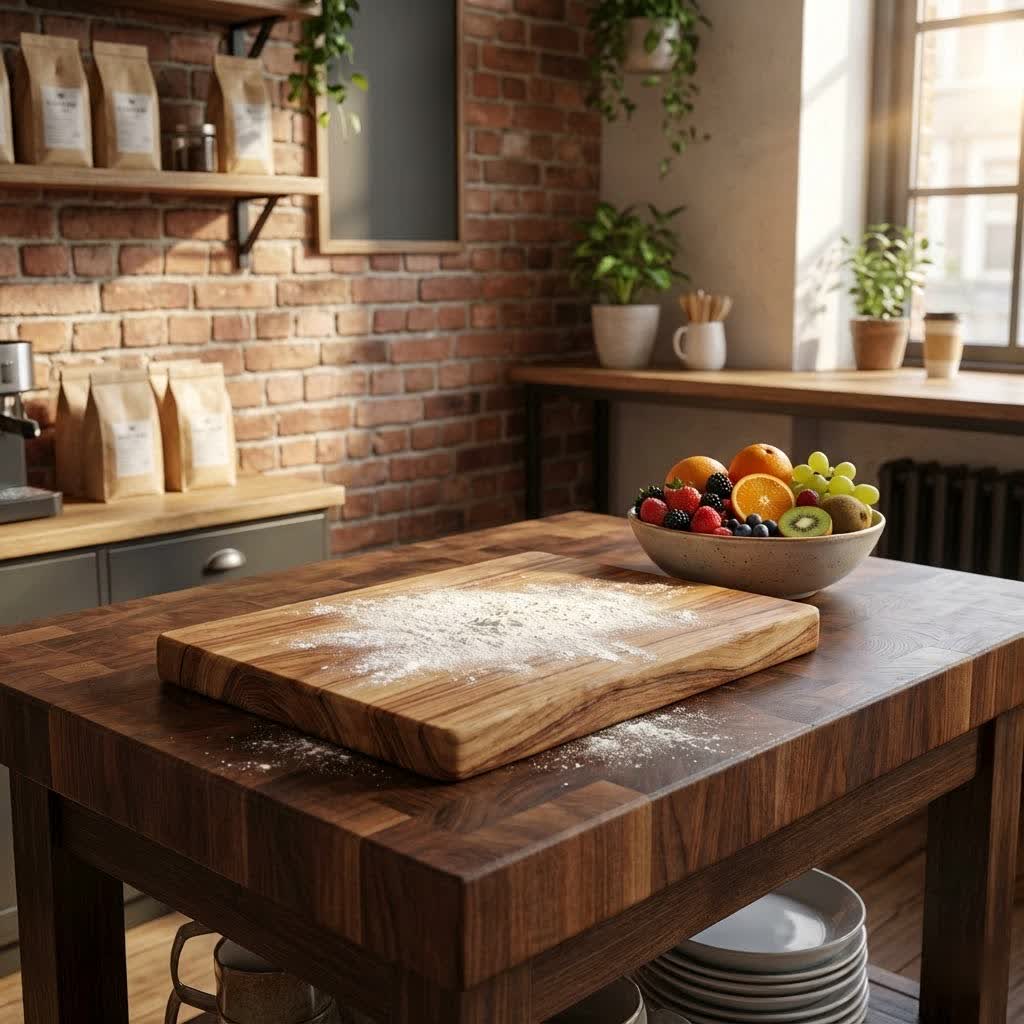
Why Go Big? The Undeniable Benefits of an Extra Large Cutting Board
The advantages of opting for a generously sized cutting board extend far beyond mere surface area. It fundamentally changes how you approach meal preparation.
- Ample Workspace for Complex Tasks: Imagine chopping multiple vegetables without constantly pushing ingredients aside or transferring them to bowls. An extra large board provides the expansive real estate needed for extensive prep work, allowing you to organize ingredients, execute intricate knife cuts, and keep everything within reach on a single, clean surface.
- Tackling Large Cuts with Ease: From carving a Thanksgiving turkey or a holiday roast to breaking down a whole chicken or slicing a watermelon, an oversized board provides the stability and space essential for handling bulky items. This prevents food from spilling onto your counters and ensures a safer, more controlled carving experience.
- Reduced Countertop Mess: A larger surface effectively contains juices, scraps, and errant pieces of food, minimizing the spread of mess across your kitchen. Many extra large boards come equipped with deep juice grooves, specifically designed to capture liquids from meats and juicy fruits, keeping your countertops pristine.
- Enhanced Safety and Stability: Larger, thicker cutting boards often possess a substantial weight that prevents slipping and sliding during vigorous chopping. This inherent stability, sometimes augmented by non-slip feet, provides a safer foundation for knife work, reducing the risk of accidents.
- Multi-Purpose Functionality: Beyond its primary role in food preparation, an extra large cutting board can double as a stunning serving platter. Use it to present elaborate charcuterie spreads, an array of cheeses, freshly baked bread, or as a beautiful backdrop for appetizers, instantly elevating your entertaining game.
Choosing Your Giant: Materials Matter
The material of your extra large cutting board significantly impacts its performance, durability, and maintenance.
Wood: The Classic Choice for Culinary Enthusiasts
Wood remains a top contender for cutting boards due to its knife-friendly properties and aesthetic appeal.
- Pros: Wood is gentle on knife blades, helping to maintain their sharpness longer than harder surfaces. Quality wooden boards are incredibly durable and can last for many years with proper care. Certain woods, like acacia and teak, possess natural antimicrobial properties. When worn, wood boards can often be sanded and re-oiled to restore their surface.
- Cons: Wood requires more maintenance than some other materials, needing regular oiling to prevent drying and cracking, and generally should be hand-washed.
- Types: Popular choices include maple (hard and durable), walnut (softer on knives, beautiful dark hue), acacia (dense, moisture-resistant, antimicrobial), and teak (highly water-resistant, antimicrobial). End-grain construction, where wood fibers are oriented vertically, is particularly prized for its self-healing properties and superior knife-friendliness.
|
Our Picks for the Best Cutting Board in 2026
As an Amazon Associate I earn from qualifying purchases.
|
||
| Num | Product | Action |
|---|---|---|
| 1 | Kikcoin Extra Large Bamboo Cutting Boards, (Set of 3) Chopping Boards with Juice Groove Bamboo Wood Cutting Board Set Butcher Block for Kitchen, End Grain Serving Tray |

|
| 2 | Titanium Cutting Board for Kitchen, Cutting Board Double Sided Food Grade, Pure Titanium/PP, Easy to Clean Large Size 16”×11” |
|
| 3 | GORILLA GRIP BPA-Free Reversible Kitchen Cutting Board Set of 3, US Designed, Nonporous, Juice Grooves Catch Liquid, Slip Resistant Border, Dishwasher Safe, Durable Food Chopping Boards, Black Gray |
|
| 4 | Bamboo Cutting Boards for Kitchen [Set of 3] Wood Cutting Board for Chopping Meat, Vegetables, Fruits, Cheese, Knife Friendly Serving Tray with Handles |
|
| 5 | GORILLA GRIP BPA-Free Reversible Kitchen Cutting Board Set of 3, US Designed, Nonporous, Juice Grooves Catch Liquid, Slip Resistant Border, Dishwasher Safe Large Food Chopping Boards, Black Aqua Gray |
|
| 6 | Keechee Bamboo Cutting Board, Durable Wood Cutting Boards for Kitchen with Deep Juice Grooves & Built-in Handles, Ideal Charcuterie & Chopping for Meat, Vegetables and Fruits Ideal Kitchen Gifts |
|
| 7 | GORILLA GRIP BPA-Free Reversible Kitchen Cutting Board Set of 3, US Designed, Nonporous, Juice Grooves Catch Liquid, Slip Resistant Border, Dishwasher Safe, Durable Food Chopping Boards, Almond Gray |
|
| 8 | GORILLA GRIP BPA-Free Reversible Kitchen Cutting Board Set of 3, US Designed, Nonporous, Juice Grooves Catch Liquid, Slip Resistant Border, Dishwasher Safe, Durable Large Food Chopping Boards, Aqua |
|
| 9 | GORILLA GRIP BPA-Free Reversible Kitchen Cutting Board Set of 3, US Designed, Nonporous, Juice Grooves Catch Liquid, Slip Resistant Border, Dishwasher Safe, Durable Food Chopping Boards, Aqua Gray |
|
| 10 | GORILLA GRIP BPA-Free Reversible Kitchen Cutting Board Set of 3, US Designed, Nonporous, Juice Grooves Catch Liquid, Slip Resistant Border, Dishwasher Safe, Durable Large Food Chopping Boards, Black |
|
Bamboo: Eco-Friendly and Resilient
Bamboo cutting boards are a popular and sustainable alternative to traditional wood.
- Pros: Bamboo is an eco-friendly material that grows rapidly. It’s durable, often harder than many woods, and naturally antimicrobial.
- Cons: Its hardness can sometimes be a bit tougher on knife edges compared to softer woods. Most bamboo boards also require hand-washing.
Plastic: Practicality and Hygiene
Plastic cutting boards offer a practical and often more affordable option.
- Pros: Plastic boards are non-porous and can often be safely cleaned in a dishwasher, making them ideal for handling raw meats and preventing cross-contamination. They are typically lighter and easier to move.
- Cons: While easy on knives initially, deep cuts and gouges can harbor bacteria over time and are difficult to clean thoroughly. They generally lack the aesthetic appeal and longevity of quality wooden boards and will eventually need replacement.
Other Materials (Briefly):
- Composite: Made from pressed wood fibers and resin, these boards are durable, warp-resistant, and often dishwasher-safe. However, their ultra-hard surface can be harsh on knives.
- Glass and Stone (Marble/Granite): These materials are primarily decorative and best suited for serving. Their extreme hardness will quickly dull and damage knife blades, making them unsuitable for regular cutting tasks.
Key Features to Look For in an Extra Large Cutting Board
Beyond material, consider these design elements to find the perfect board for your needs:
- Dimensions and Thickness: While “extra large” can vary, look for dimensions that comfortably fit your available counter space while providing significant room for work. A thickness of 1.25 to 2 inches is often recommended for optimal stability and longevity.
- Juice Grooves: Especially crucial for carving meats or slicing juicy fruits, a deep juice groove around the perimeter will catch liquids, keeping your counter clean. Some designs even feature sloped channels for better drainage.
- Non-Slip Features: A heavy board naturally resists movement, but additional features like rubber feet provide extra grip, ensuring the board stays securely in place during vigorous chopping.
- Handles: Recessed or built-in handles can make it easier to lift, move, and store a substantial extra large cutting board.
- Reversible Designs: Many high-quality large boards are reversible, offering two usable surfaces. This can be beneficial for designating one side for raw meats and the other for produce, or simply to extend the life of the board.
Caring for Your Extra Large Investment
Proper care is essential to ensure the longevity and hygiene of your extra large cutting board, particularly for wood and bamboo.
- Cleaning: Always hand-wash wooden and bamboo boards with warm, soapy water immediately after use. Avoid soaking them, as this can lead to warping or cracking. Rinse thoroughly and dry immediately with a towel, then allow it to air dry completely on its edge. Plastic and composite boards may be dishwasher safe; check manufacturer instructions.
- Oiling (for Wood and Bamboo): Regularly oiling your wood or bamboo board with food-grade mineral oil or a beeswax conditioner is vital. This prevents the wood from drying out, cracking, and helps maintain its natural beauty and resistance to moisture and bacteria.
An extra large cutting board is more than just a kitchen tool; it’s an investment in efficiency, safety, and culinary enjoyment. By carefully considering materials, features, and committing to proper care, you can select a board that will serve as a reliable and beautiful cornerstone of your kitchen for years to come.
